Recevez les dernières innovations en éclairage, tendances de design et mises à jour exclusives dans votre boîte de réception.
Pas de pourriel, désabonnez-vous à tout moment. En vous abonnant, vous acceptez notre politique de confidentialité.

Fully shielded shades, warm LEDs and only the lumens you need, with the photometric files to prove it at plan review.
Dark sky compliant light fixtures do three things: they are fully shielded, so no light leaves above the horizontal; they use warm light, usually 3000K or lower; and they deliver only the lumens the task needs, switched off or dimmed when no one is there. "Compliant" always means compliant with a specific local ordinance, and you prove it with photometric files, not with a label on the box.
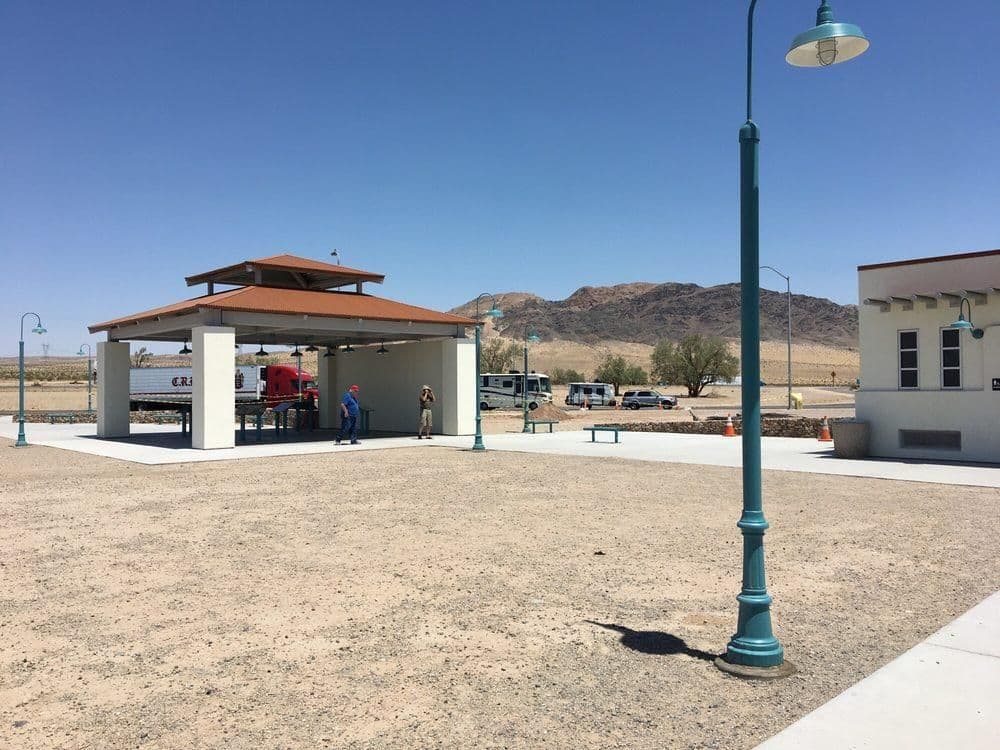
Picture a desert rest stop an hour after sunset. The mountains have gone black, the first stars are out over the parking lot, and a row of green domes on their poles pools light on the walkway and nowhere else. You can see where you're walking and still see the Milky Way. That is the goal of every dark-sky code.
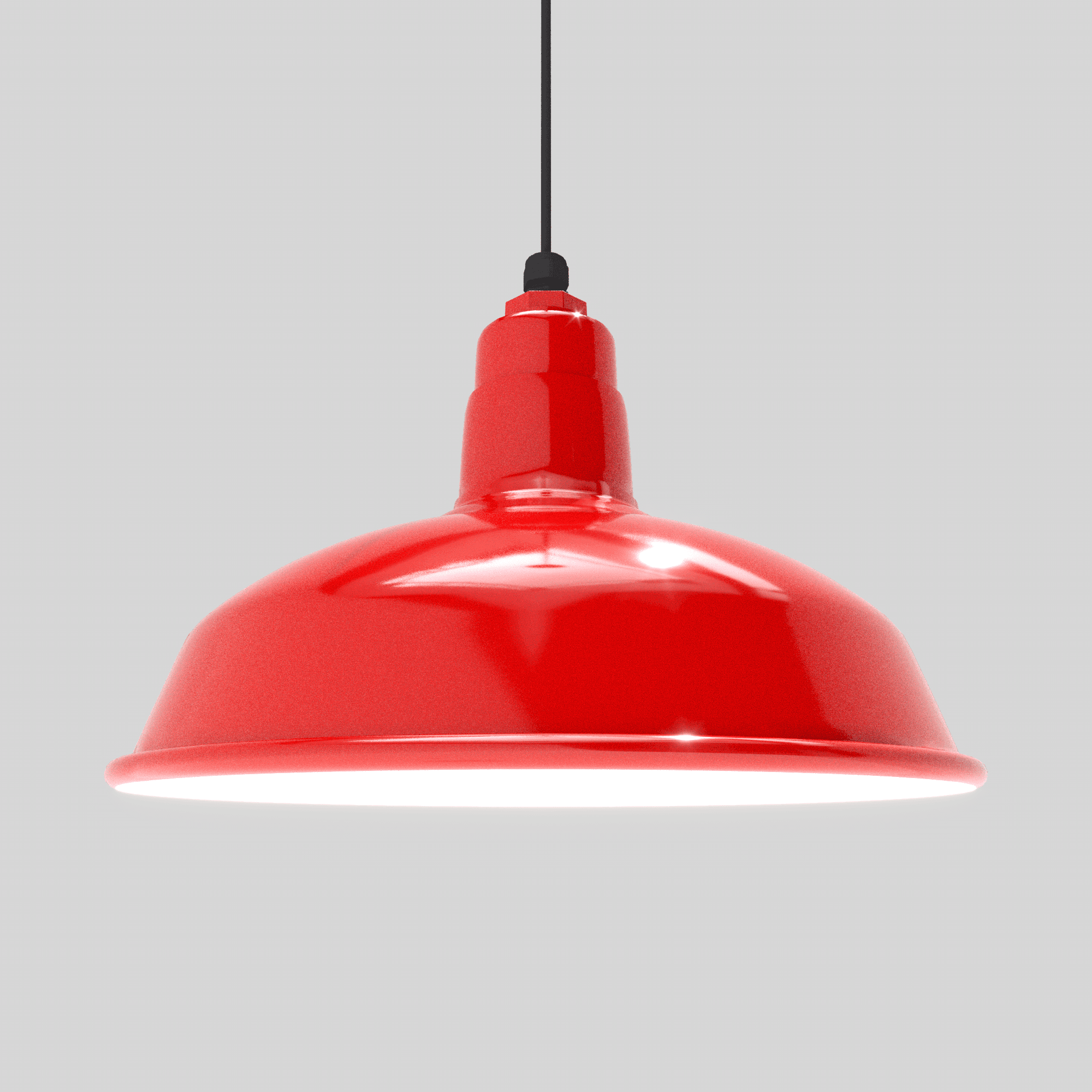
A classic RLM shade is well suited to this. A deep spun-aluminum dome hung level hides the LED and throws its light down. Bock builds these shades to order in Twinsburg, Ohio, in the sizes, arms and finishes a site plan calls for. None of our fixtures carries the DarkSky Approved seal, so below we explain what ordinances actually ask for, how to configure a Standard Dome or Emblem Sign to meet typical requirements, and what to send your plan reviewer.
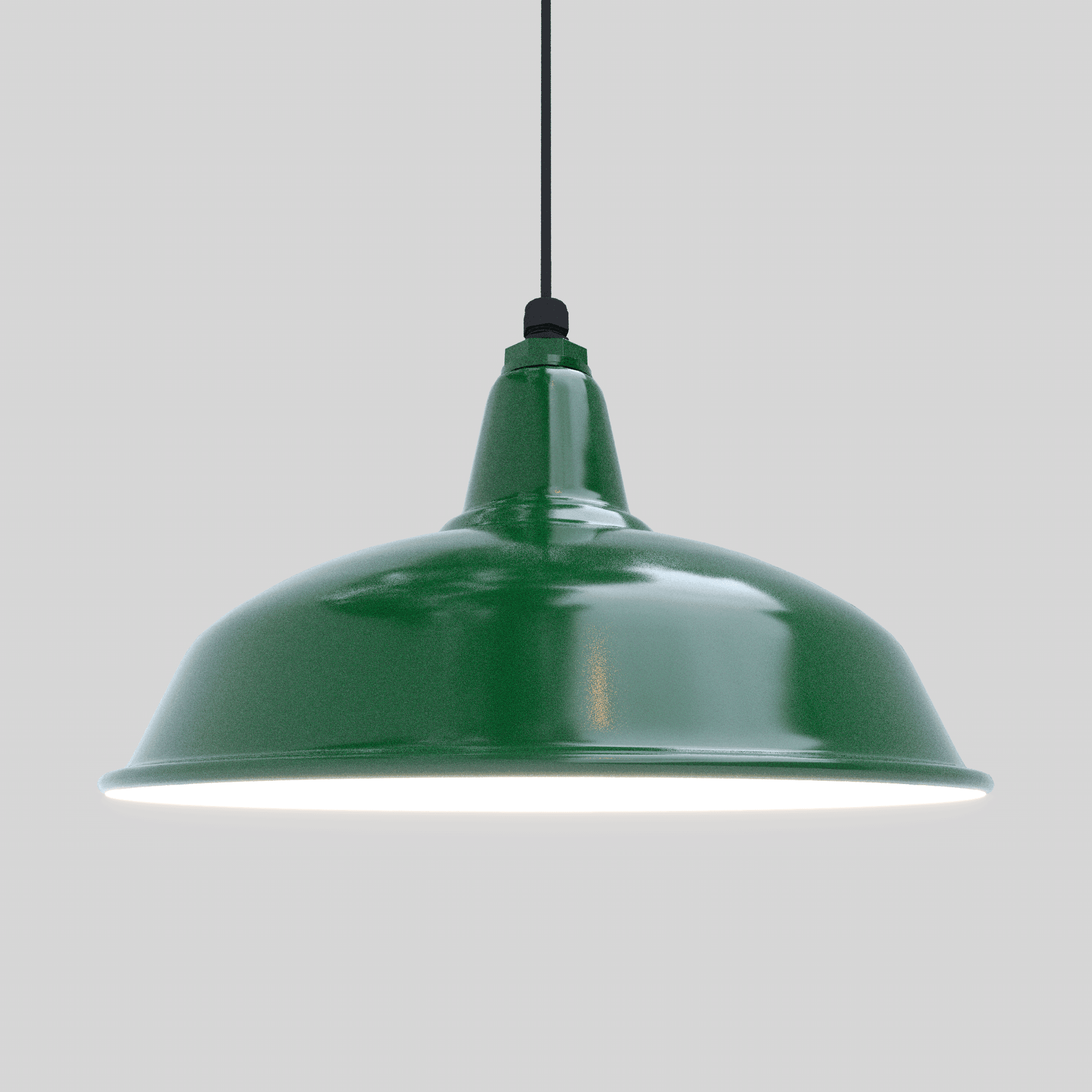
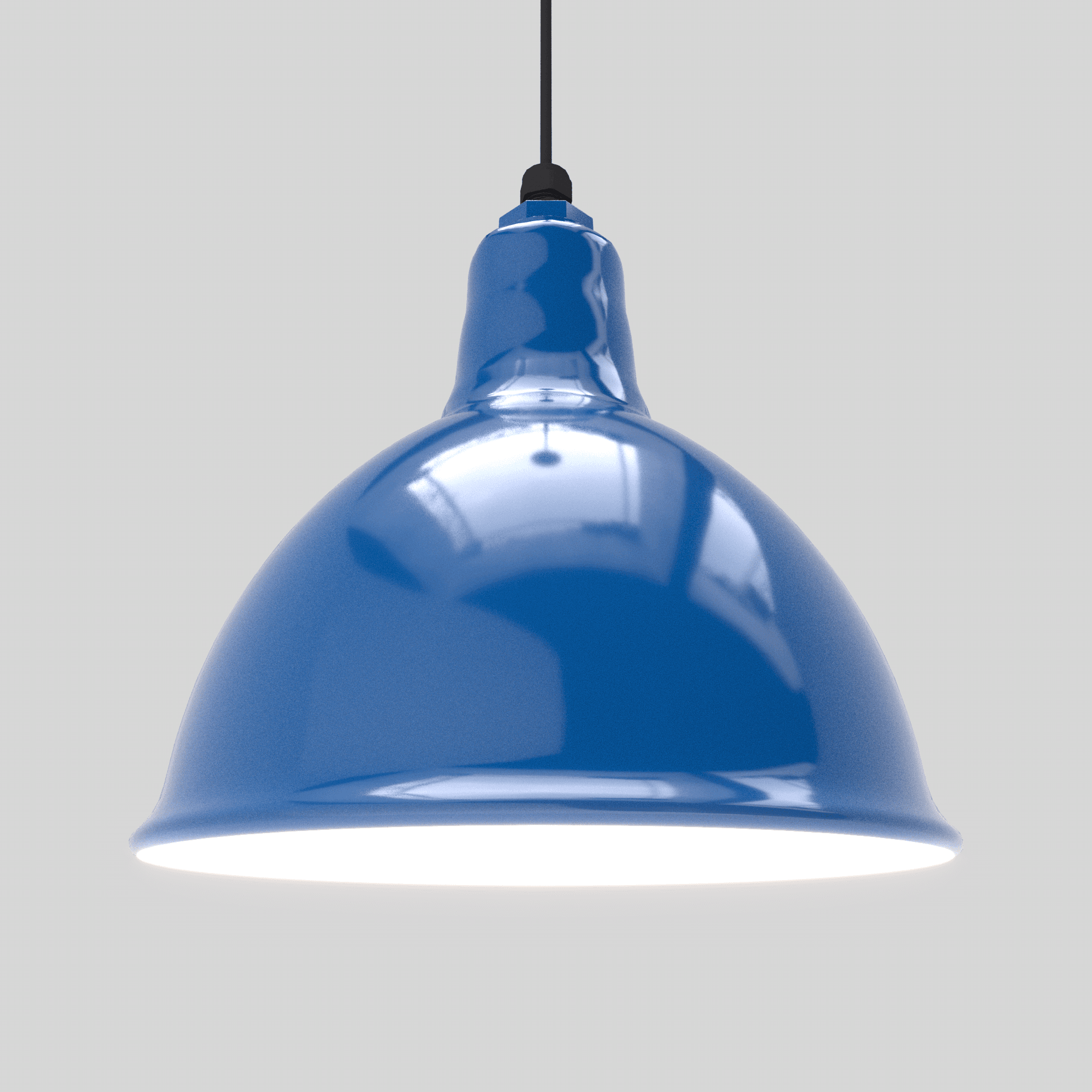
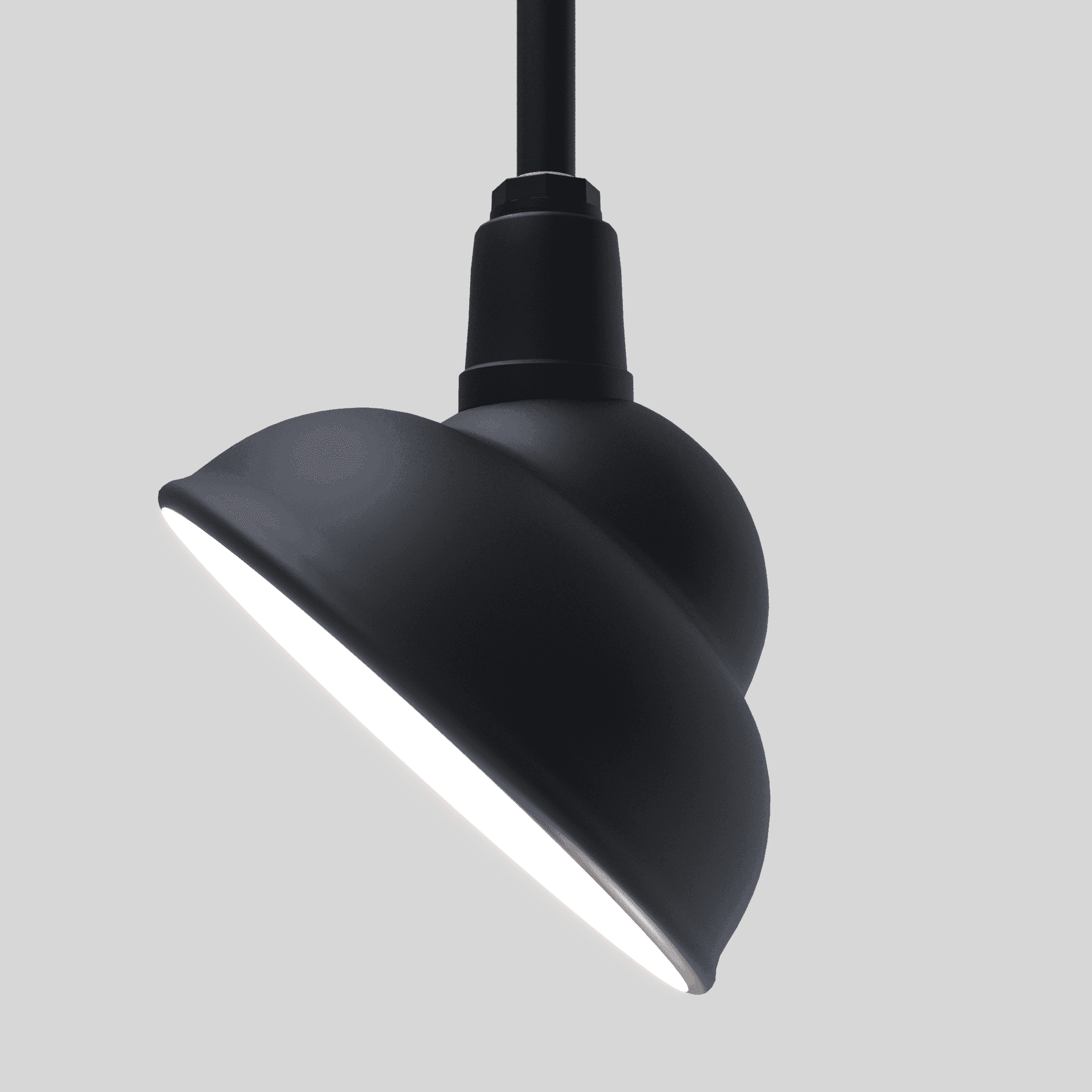
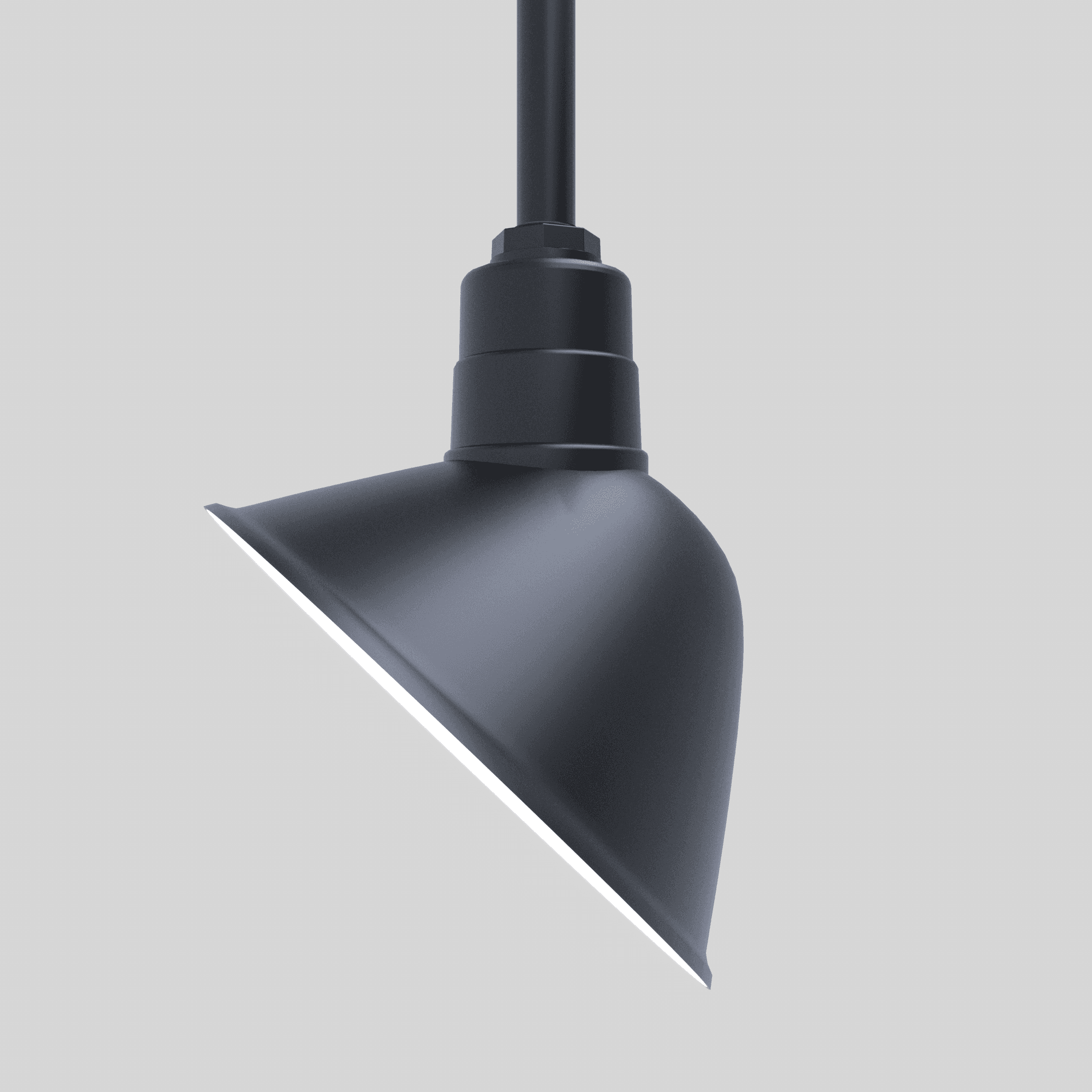
Open-bottom domes and deep bowls for walls, poles and canopies, angle shades for top-down sign lighting, and LED modules you can set to warm color and trimmed output.
20" Standard Dome - 520
520-eG8-iG1 / LVFV1-2000-27K-0-10V / 41 / GN17A-G8
Dans votre espace
Voyez-le en 3D
Faites-le pivoter, explorez les finis, ressentez les proportions — avant l’expédition.
Fait main
Pièces filées fabriquées aux États-Unis
Filées, soudées et finies à la main — conçues pour durer des décennies.
Votre fini, à votre façon
Des centaines de couleurs de peinture poudre
Assortissez-le exactement à la pièce, ou optez pour du sur-mesure.
Many US outdoor-lighting codes build on the Model Lighting Ordinance from DarkSky International and the Illuminating Engineering Society. Wording varies, but five requirements recur.
No light may be emitted above a horizontal plane through the lowest part of the fixture. In practice that means an opaque shade with the light source recessed inside it, mounted level, with no drop lens or glowing side panels. The IES files we publish for LED Standard Dome, Step Neck Dome and Deep Bowl shades, open bottom and hung level, record no light above 90 degrees. Tilt the shade and that changes.
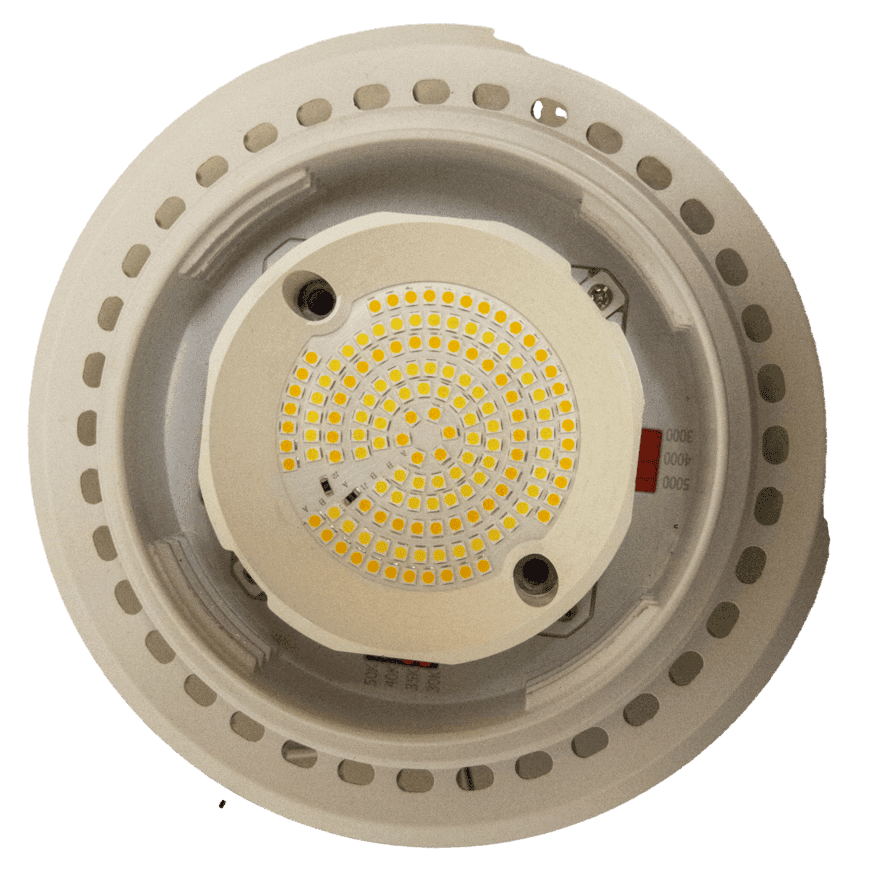
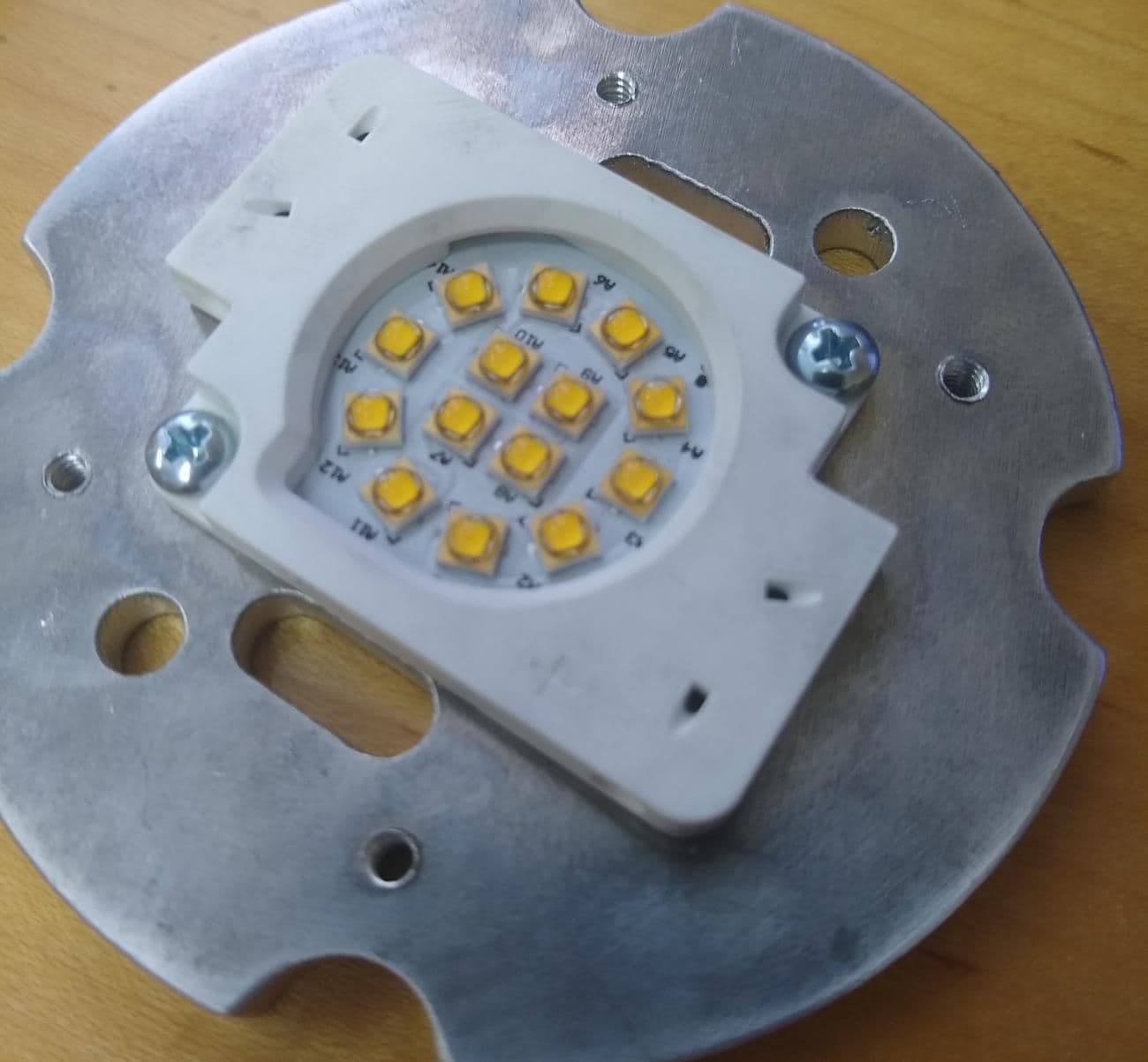
A common limit is 3000K. Dark-sky communities and parks often go to 2700K, and some ask for amber. The adjustable LED module is set to 3000K on the fixture; its 90 CRI versions also offer 2700K.
Many codes cap lumens per fixture or total lumens per site area, by lighting zone. Trim output rather than oversizing: the 23W module offers 1,500, 1,850 or 2,400 lumens, and every version dims 0-10V down to 10%.
Area, wall and pole fixtures are often limited by their Backlight, Uplight and Glare rating (IES TM-15). U0 is the lowest uplight rating. BUG is calculated from the IES file for each exact configuration; ask us for the file and we'll help confirm it.
Many ordinances require lights off or dimmed after a set hour. Plan timers, photocells or motion sensors from the start.
| Entries and walkways, wall mount | Standard Dome or Step Neck Dome, 10–14 in, on a gooseneck · level, open bottom, no globe · 2700–3000K · about 1,500–2,400 lm |
|---|---|
| Paths, plazas and rest areas, pole mount | Step Neck Dome on pole-mounted goosenecks · keep poles low and spacing tight rather than raising output · 3000K or warmer |
| Service doors and loading areas | Deep Bowl, 8–12 in · the deeper profile hides the LED at low viewing angles · motion control after hours |
| Wall and fascia signs | Emblem Sign or Step Neck Angle, top-mounted and aimed down at the sign face · 3000K or warmer · only the lumens the sign needs · curfew timer |
| Beachfront and turtle zones | LVET Turtle Safe LED, 560 nm, in a fully shielded shade · confirm local wildlife rules |
Des installations réelles — voyez comment ces luminaires s’assemblent sur le terrain.
DarkSky Approved is a certification program run by DarkSky International (formerly the International Dark-Sky Association). A manufacturer submits a specific luminaire; if it passes third-party review of shielding, distribution and color, it may carry the seal. Some specifications, DarkSky Places and DarkSky Approved lodgings require certified products by name.
Ordinance compliant means a fixture, as configured and installed, meets the rules of your city or county. Most codes judge that from cut sheets and photometric data, not from a seal. Bock has no products in the DarkSky Approved program. If your spec names the seal, tell us early. If it names shielding, CCT, lumens and BUG, we can help you show compliance.
A cut sheet for each fixture type, the IES file for the exact shade, lamp and lumen setting, the CCT, a site photometric plan if required, and a controls note covering the curfew. Send us your ordinance and fixture schedule and we'll pull the matching files. The IES file viewer shows each file's candela distribution before you submit.
On the 90 CRI adjustable LED modules. 3000K on every version.
0-10V dimming on the adjustable LED modules, for late-night curfews.
Long-wavelength LED for turtle-sensitive beachfront sites.
Standard Dome 8–20 in and Step Neck Dome 12–24 in, all cULus listed for wet locations.
A dark sky compliant fixture is fully shielded, so it emits no light above the horizontal. It uses warm light, typically 3000K or lower, and its output fits the lumen limits of the local code. Compliance is always measured against a specific ordinance, so check yours and confirm the exact configuration with its IES photometric file.
Share the code section and your fixture schedule. We'll suggest shielded configurations, set CCT and lumens on the order, and send the IES files your plan reviewer needs.