Lighting Requirements in Clarksville, Indiana
Lighting Regulations in Clarksville, Indiana: Balancing Historic Preservation with Modern Standards
Introduction
As the "Oldest American Town in the Northwest Territory," Clarksville, Indiana has a rich heritage dating back to its 1783 charter by the Virginia legislature. Founded on a 1,000-acre tract from a land grant to Revolutionary War hero George Rogers Clark, this historic community has carefully balanced preservation with progress throughout its development.
Clarksville's lighting regulations reflect this commitment to maintaining the town's historic character while ensuring safety and functionality for residents and businesses. These regulations are designed to respect the architectural integrity of historic structures while providing clear guidelines for modern lighting needs.
Quick Reference Guide to Clarksville Lighting Regulations
• Historic Buildings: Light fixtures on historic buildings are regulated and changes require approval • Swimming Pools:
- Underwater lights must have grounded deck junction boxes
- Private pool lighting must be shielded to prevent light trespass
• Street Lighting:
- Required at all subdivision intersections
- Additional lighting required when intersections exceed 600 feet apart
• Specialized Businesses: Enhanced lighting requirements for certain business types • Accessibility: Lights and switches must be in accessible locations in dwellings

Historic District Lighting Requirements
Preserving Historic Character
In Clarksville's historic districts, any noticeable change to light fixtures on historic buildings is regulated. This includes the reconstruction, alteration, maintenance, or moving of light fixtures attached to historic structures.
Approval Process
The Commission reviews changes to ensure they preserve the historical, archaeological, cultural, and architectural character of the building. This careful oversight helps maintain the authentic streetscape that defines Clarksville's historic charm.
Streetscape Considerations
Lighting plays a crucial role in what regulations define as "streetscape" - the distinguishing characteristics visible from public ways. Street lights are specifically mentioned as street furniture elements that contribute to this character, alongside other features like paving materials, plant materials, and building proportions.
Street Lighting Standards
Subdivision Requirements
Clarksville requires street lights to be installed at intersections throughout subdivisions. These installations must conform to Town Council requirements and the standards of the public utility providing the lighting.
Spacing Guidelines
When street intersections are more than 600 feet apart, additional lighting must be provided at the midpoint between intersections. This ensures consistent illumination throughout residential areas.
Lighting Types and Responsibility
While Cobra-type street lights are mentioned specifically, the regulations note that other street light styles are acceptable. However, non-Cobra lighting has special provisions:
• Installation costs may be the responsibility of the developer • Maintenance costs may be assigned to either the developer or a homeowner's association
.jpg&w=3840&q=75&dpl=dpl_7PSTy8pd5VgiMGpSgiVyXtfcx5xA)
.jpg&w=3840&q=75&dpl=dpl_7PSTy8pd5VgiMGpSgiVyXtfcx5xA)
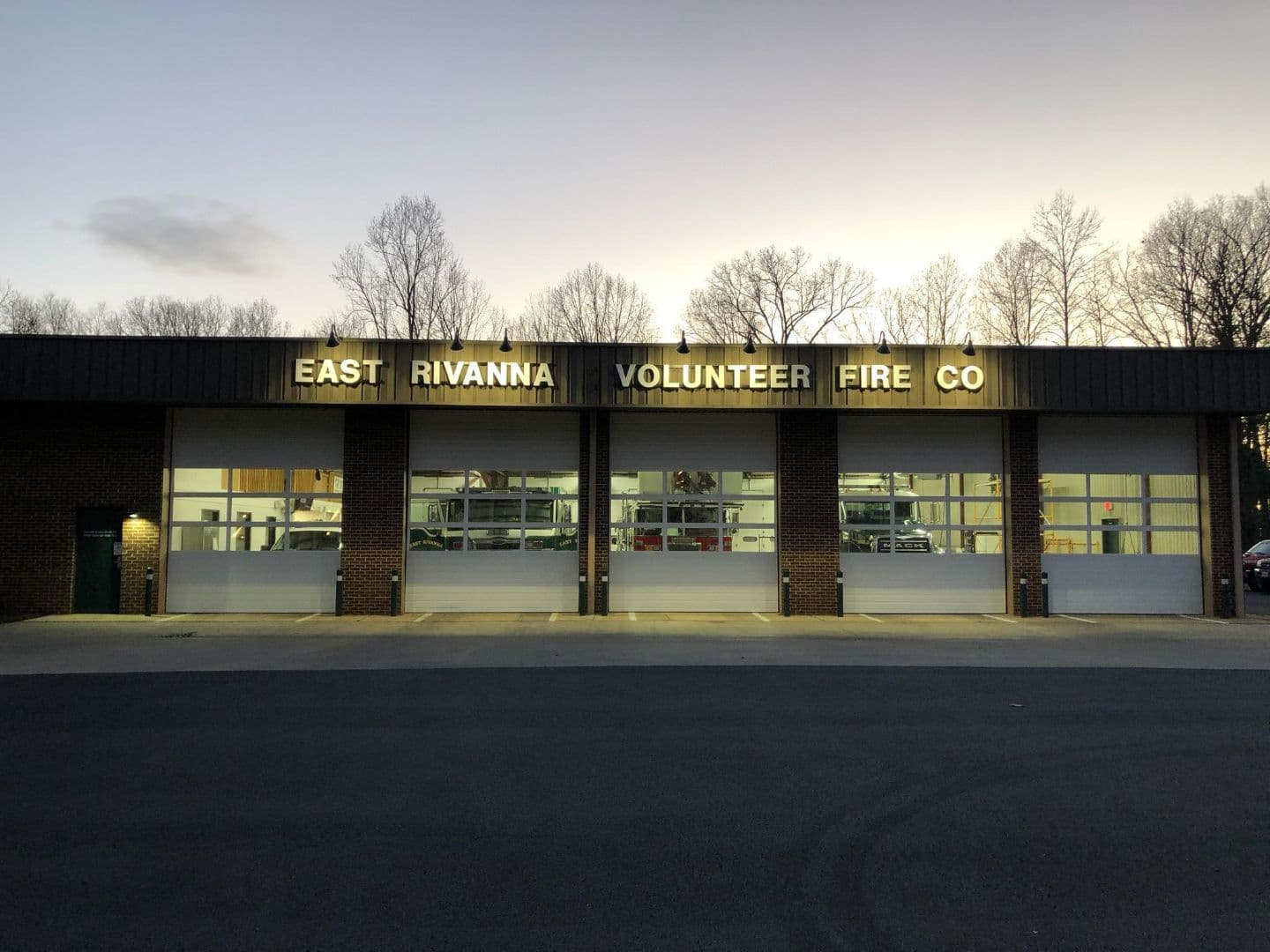
East Rivanna Volunteer Fire Co.
Keswick, Virginia
Swimming Pool Lighting Safety Standards
Underwater Lighting Requirements
Pool safety is a priority in Clarksville, with specific electrical requirements for underwater lighting:
• Must be equipped with a grounded deck junction box • Require an independent, bare copper ground wire connected to an approved grounding terminal • All materials and electrical fixtures must be listed by Underwriters Laboratories for this class of service • Installation must follow NEC standards
Residential Pool Lighting Restrictions
For private residential swimming pools, lighting must be:
• Shielded and shaded to prevent light trespass • Designed so that no appreciable amount of light extends beyond lot lines
These requirements balance safety needs with neighborhood consideration.
Specialized Business Lighting Requirements
Adult-Oriented Business Standards
Sexually oriented businesses have specific lighting requirements that exceed typical commercial standards:
Exterior Lighting
• Must provide sufficient illumination for visual inspection • Minimum illumination of 1.0 foot candle measured at floor level
Interior Lighting
• Overhead lighting required throughout customer-accessible areas • Minimum illumination of 5.0 foot candles measured at floor level • Illumination must be maintained whenever customers are present
Massage Establishment Standards
Massage establishments must provide:
• Minimum lighting throughout • At least one artificial light of not less than 40 watts in each enclosed room and booth where massage services are rendered
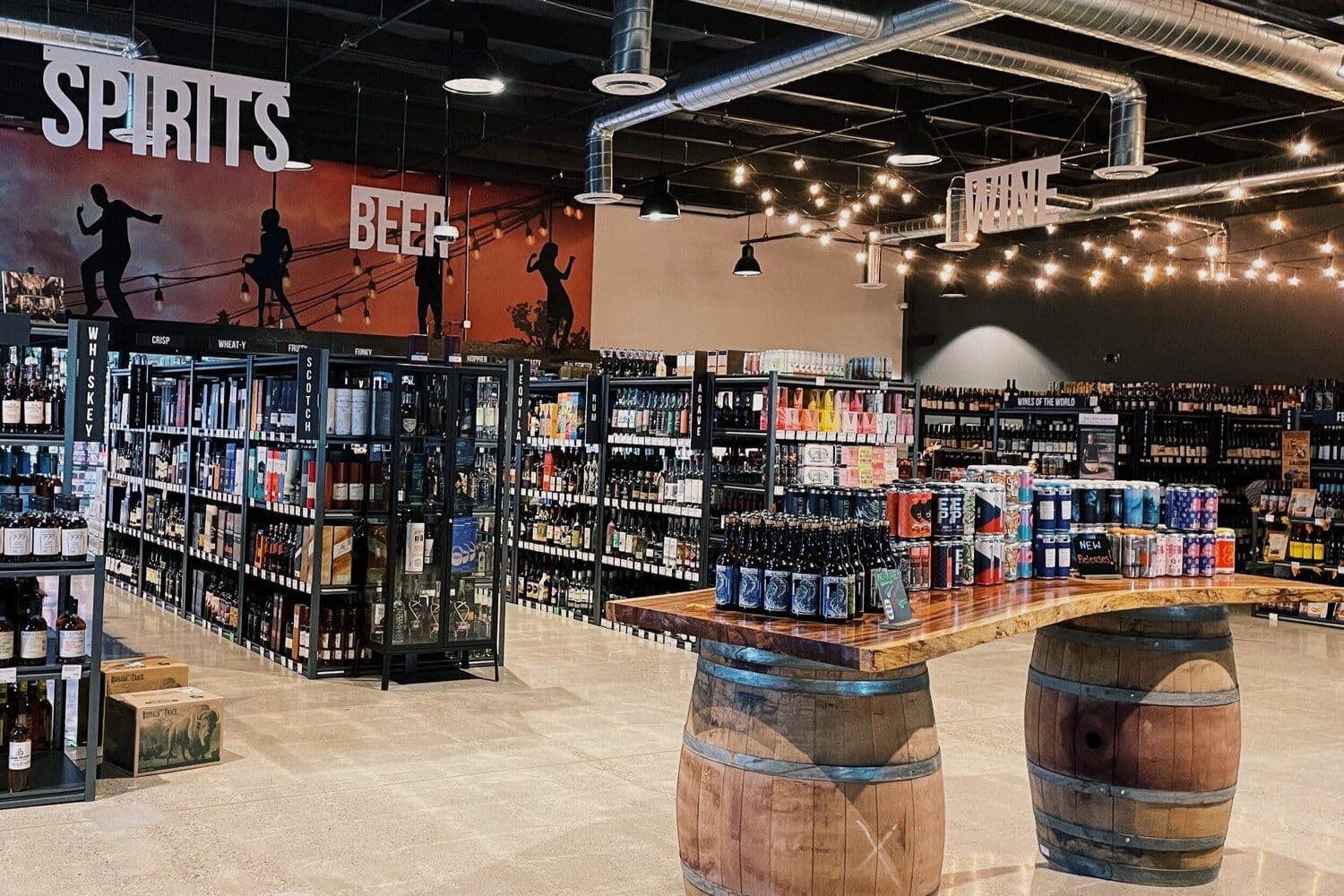
Denver, Colorado
Accessibility Requirements
Clarksville's commitment to inclusive design is reflected in requirements for:
• Accessible location of light switches • Accessible electrical outlets and environmental controls
These features are specifically identified as required elements of adaptive design in dwellings.
Supporting Clarksville's Lighting Vision
Bock Lighting, with roots dating back to 1918, shares Clarksville's commitment to balancing historical preservation with modern functionality. As an experienced lighting manufacturer, we understand the unique challenges faced by America's oldest communities.
Our team appreciates the careful balance Clarksville maintains between preserving its status as the "Oldest American Town in the Northwest Territory" while embracing necessary modern development. This parallels our own philosophy of honoring traditional craftsmanship while incorporating contemporary technology.
Bock's expertise in regional architectural styles makes us a valuable resource for communities like Clarksville that value their historical character. We believe in supporting local regulations that maintain community identity while providing safe, effective lighting solutions.
As Clarksville continues its efforts to revitalize retail corridors and enhance its riverfront, lighting plays a crucial role in creating spaces that honor the past while serving present needs. Bock remains committed to being an educational partner for communities navigating these lighting challenges.
What Property Owners Should Know
Planning for Compliance
If you own property in Clarksville, understanding these lighting regulations before making changes can save time and prevent costly corrections. This is especially true for:
• Historic buildings where fixtures are regulated elements • Residential properties with swimming pools • Commercial developments with specific illumination requirements
Seeking Guidance
When in doubt about lighting requirements:
• Consult with the appropriate town department before installation • Review historical district guidelines if your property is in a designated area • Consider consulting professionals familiar with local regulations
Documentation
Keep records of all lighting installations, including:
• Product specifications • Installation details • Approval documentation (especially for historic properties)
Conclusion
Clarksville's lighting regulations reflect its dual commitment to preserving its rich historical character while ensuring safety and functionality for residents and visitors. From the careful protection of historic fixtures to specific requirements for modern installations, these guidelines help maintain the town's unique identity.
Property owners who understand and follow these regulations contribute to Clarksville's ongoing efforts to honor its status as the "Oldest American Town in the Northwest Territory" while creating a vibrant, livable community for current and future generations.