Recevez les dernières innovations en éclairage, tendances de design et mises à jour exclusives dans votre boîte de réception.
Pas de pourriel, désabonnez-vous à tout moment. En vous abonnant, vous acceptez notre politique de confidentialité.

Wet-listed RLM shades and vaportights for the brewhouse, warm pendants for the taproom, and sign lights for the façade, built to order in your brand color.
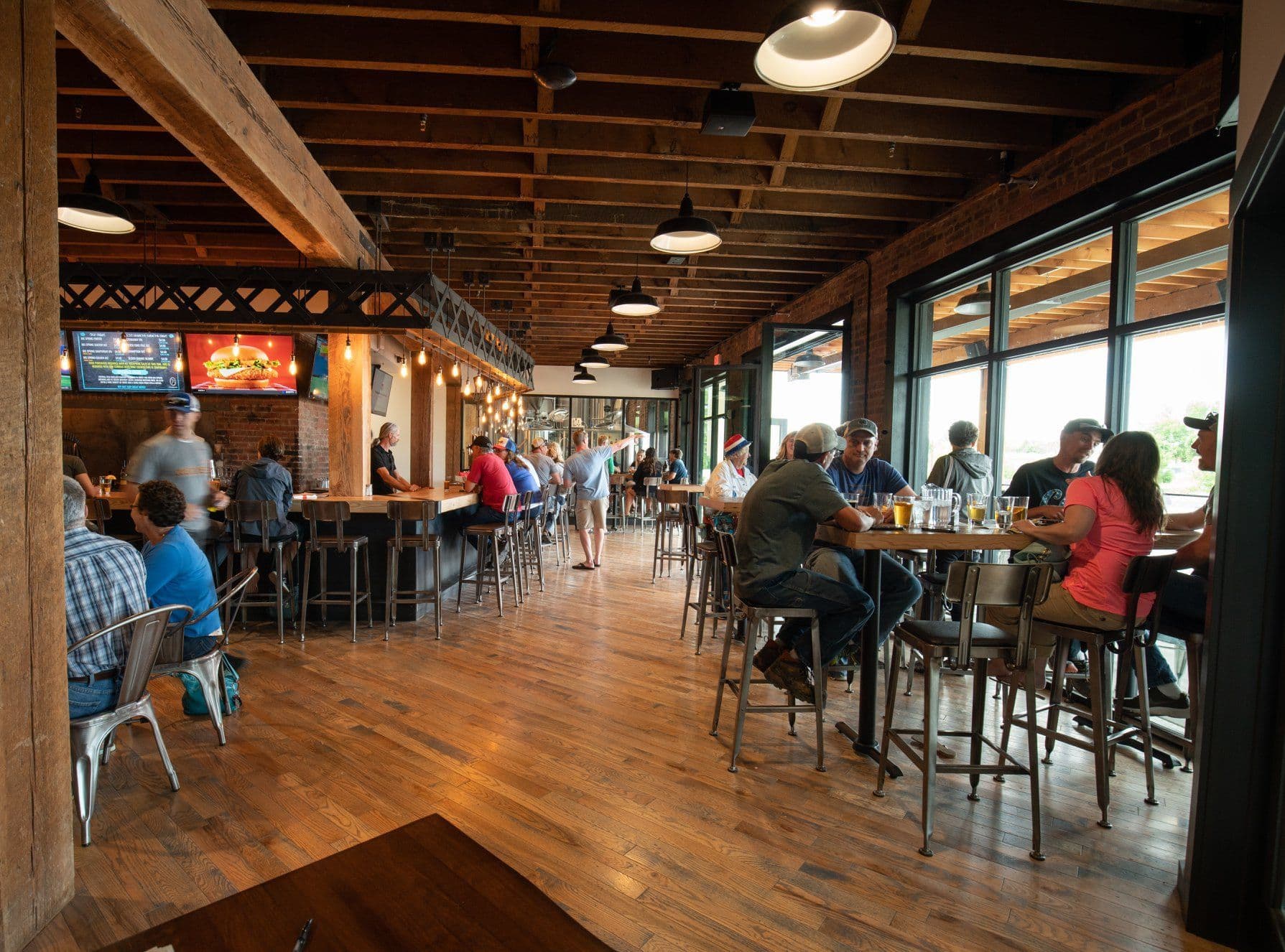
Good brewery lighting splits the building in two. Use wet-listed RLM shades and vaportight fixtures over the brewhouse and cellar, where hoses, steam and condensation are daily facts. Then use warm, dimmable 2700K to 3000K pendants in the taproom so the beer shows its true color. The best breweries keep one shade family across both sides, so the building reads as one place.
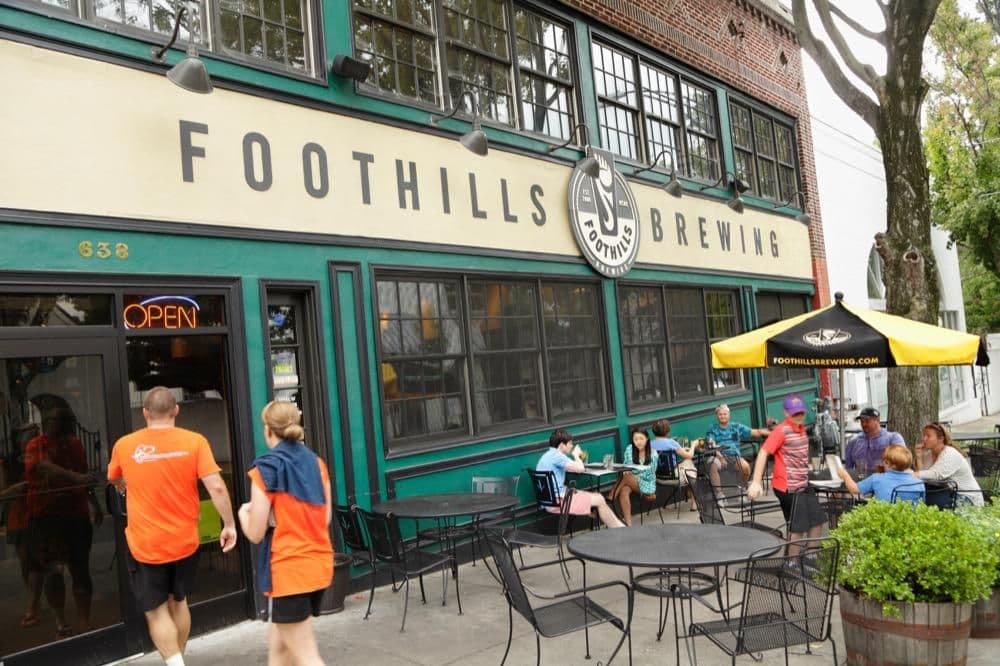
Picture brew day. Steam rolls off the kettle, the floor is wet from the last hose-down, and through the glass wall the taproom is filling up for the evening. Out front, the brewery's name glows on old brick under a row of gooseneck lights. The same spun-metal shade hangs over the fermenters, the bar and the sign, in the same color as the logo.
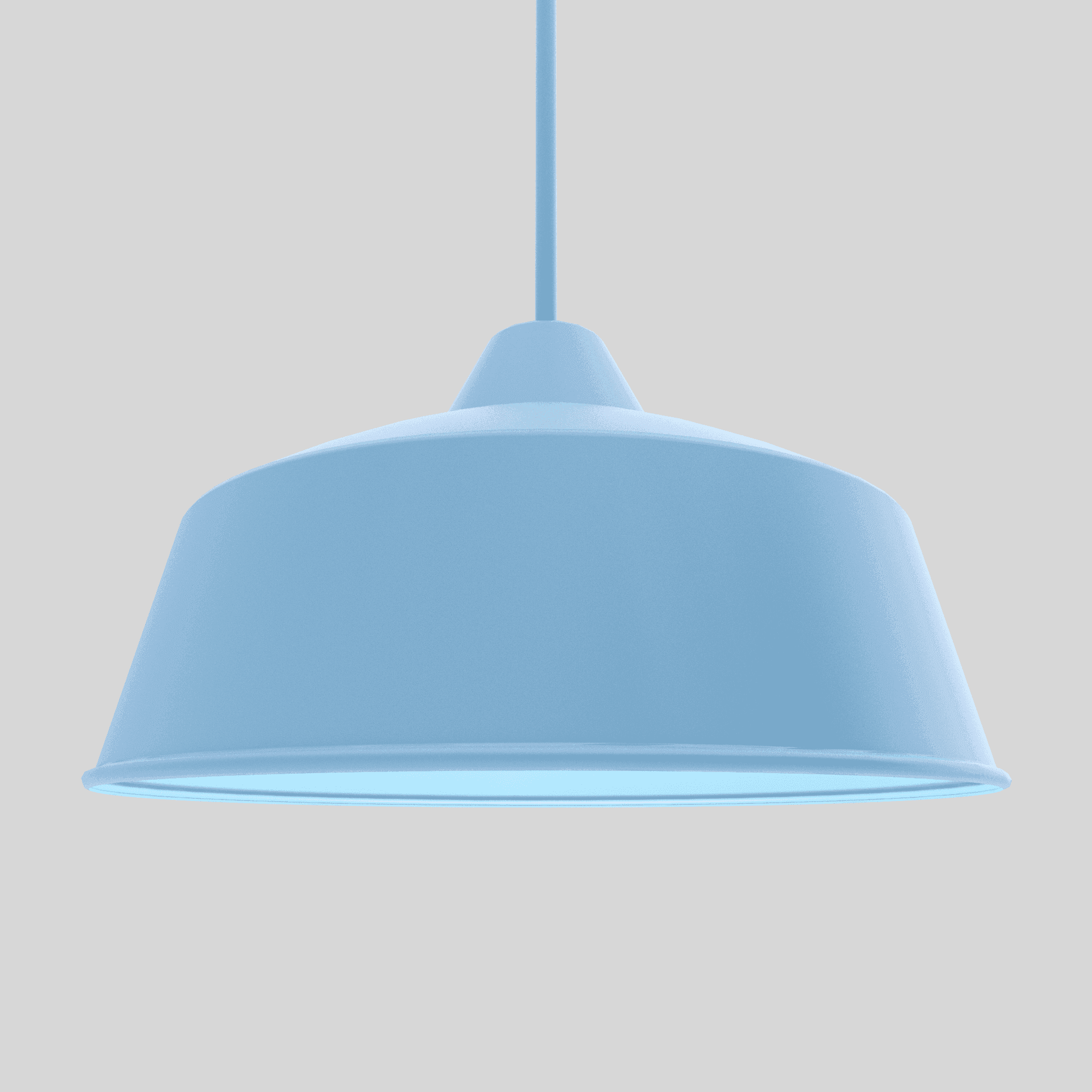
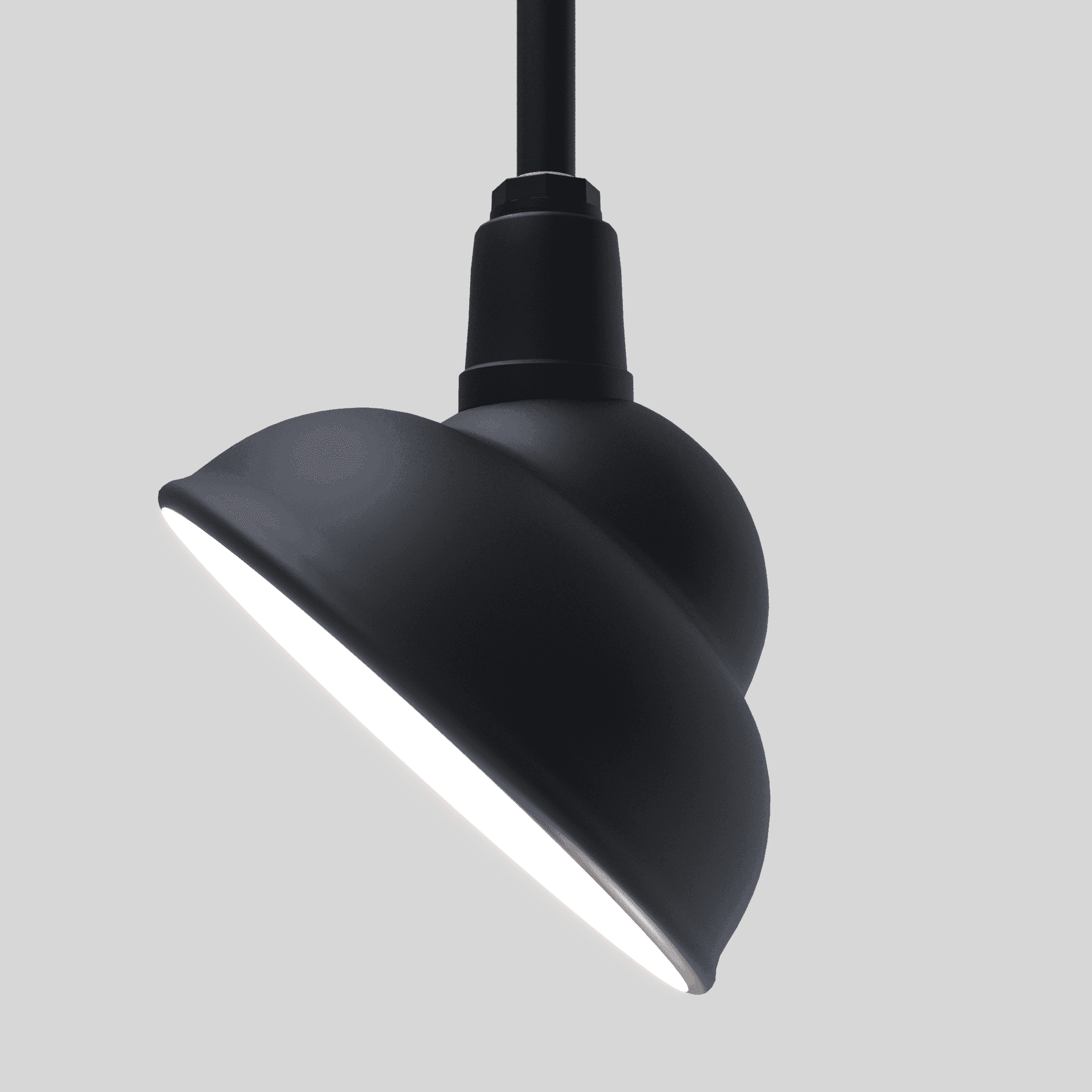
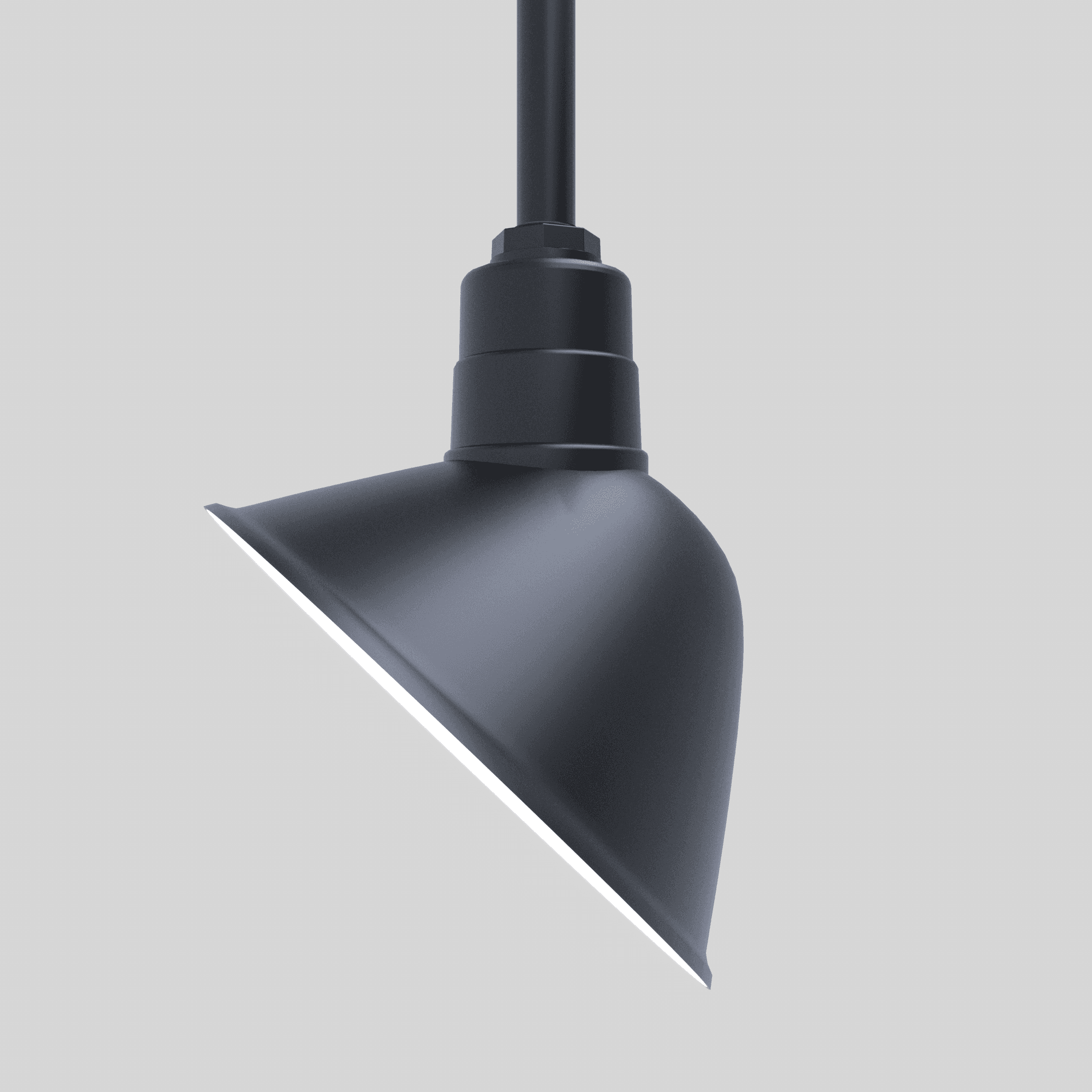
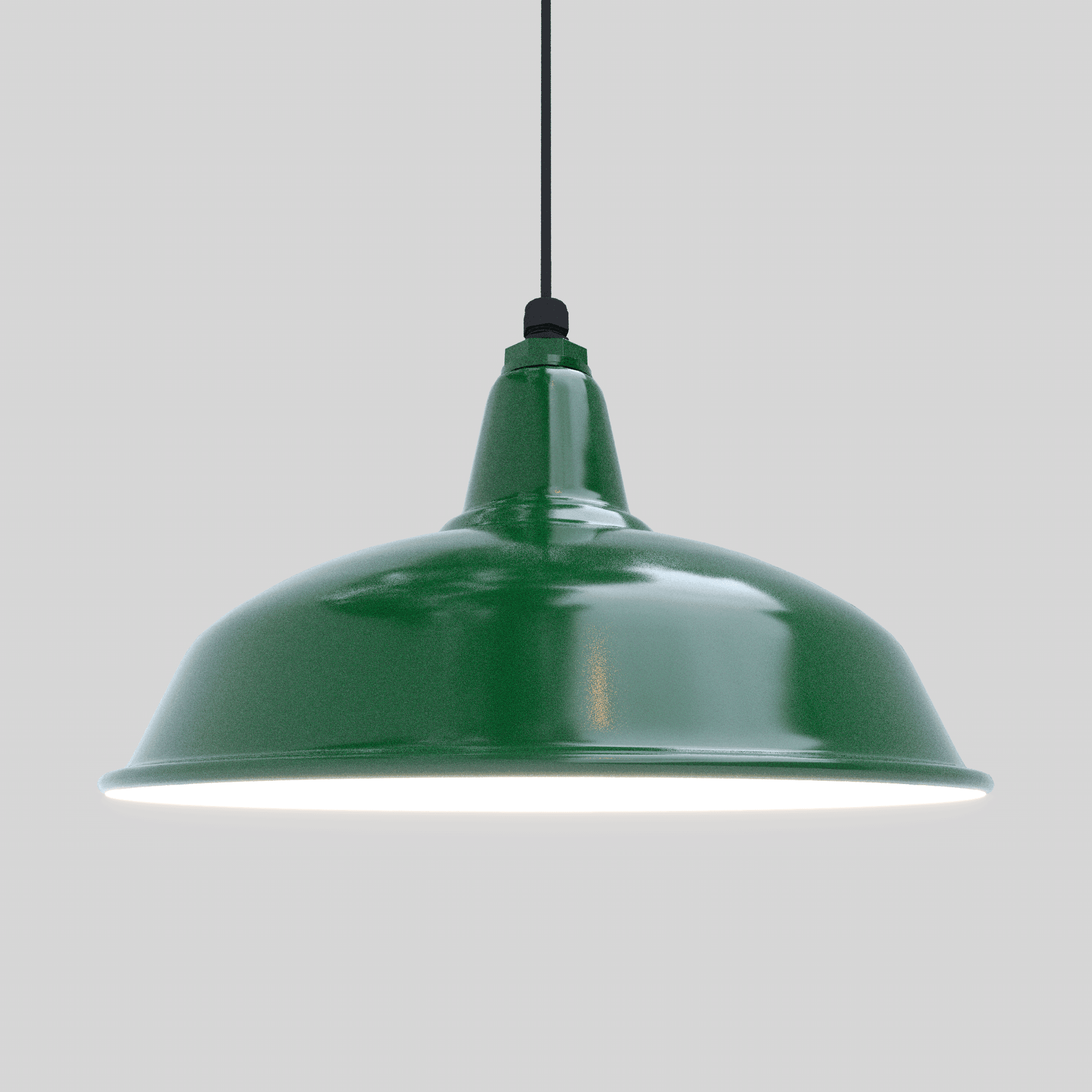
Bock builds that kit to order. The Standard Dome and Step Neck Dome are spun-metal RLM shades listed for wet locations, so they work on the production floor and in the taproom alike. The VP Vaportight Pendant handles washdown and corrosive fumes. The Emblem Sign lights the façade. Every one comes in any color from our powder-coat library.
Wet-listed shades and vaportights for production, large-scale pendants for the taproom, and sign lights for the building outside.
A craft brewery holds six very different rooms under one roof, and each one asks something different of a light fixture.
This is industrial lighting for a brewery in the literal sense: hot kettles, CIP cleaning, caustic and acid washes, and a floor that is always wet. Specify fixtures listed for wet locations, not damp. A wet-listed RLM such as the Standard Dome or Step Neck Dome, fitted with a globe and guard, gives even light on the brew deck and still matches the taproom.
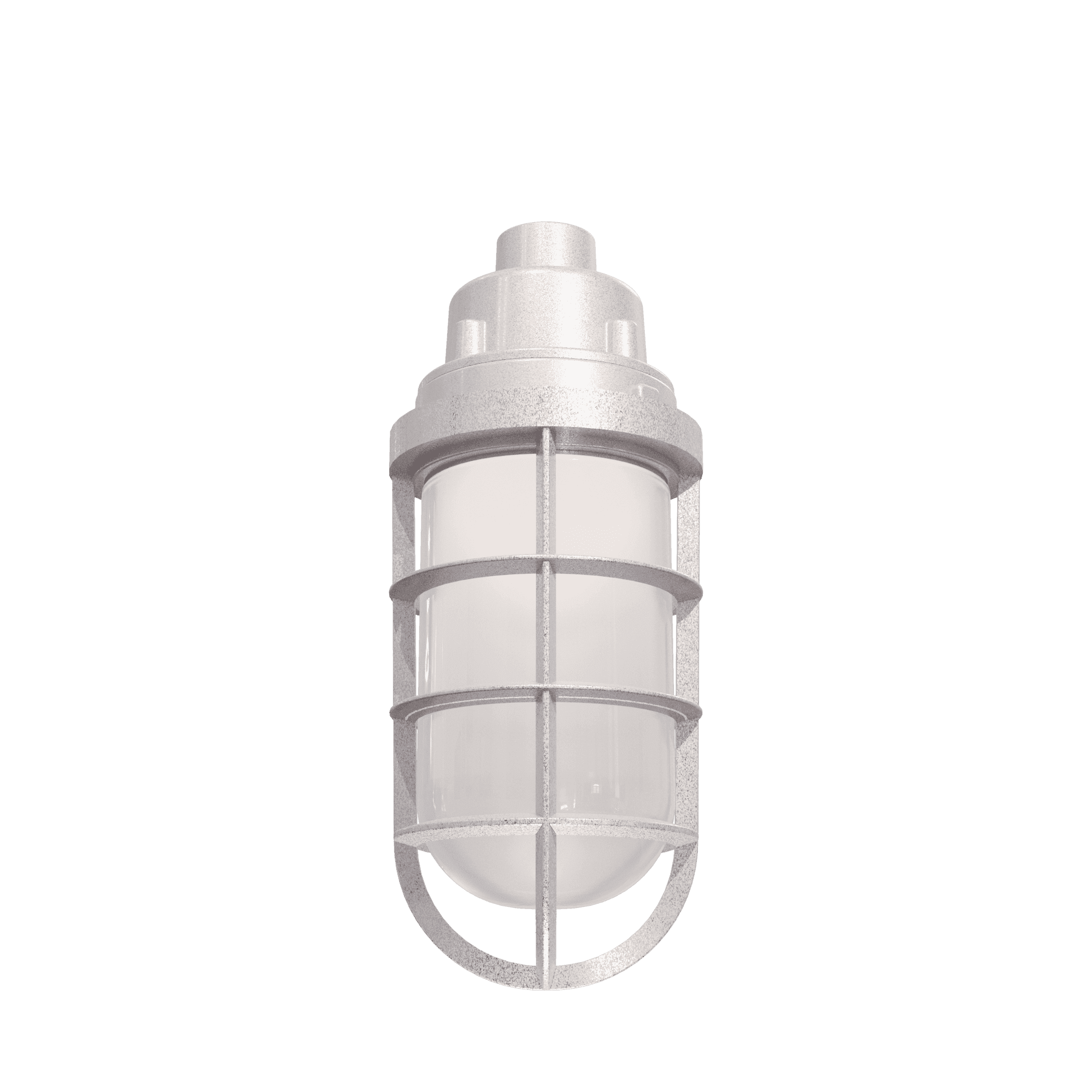
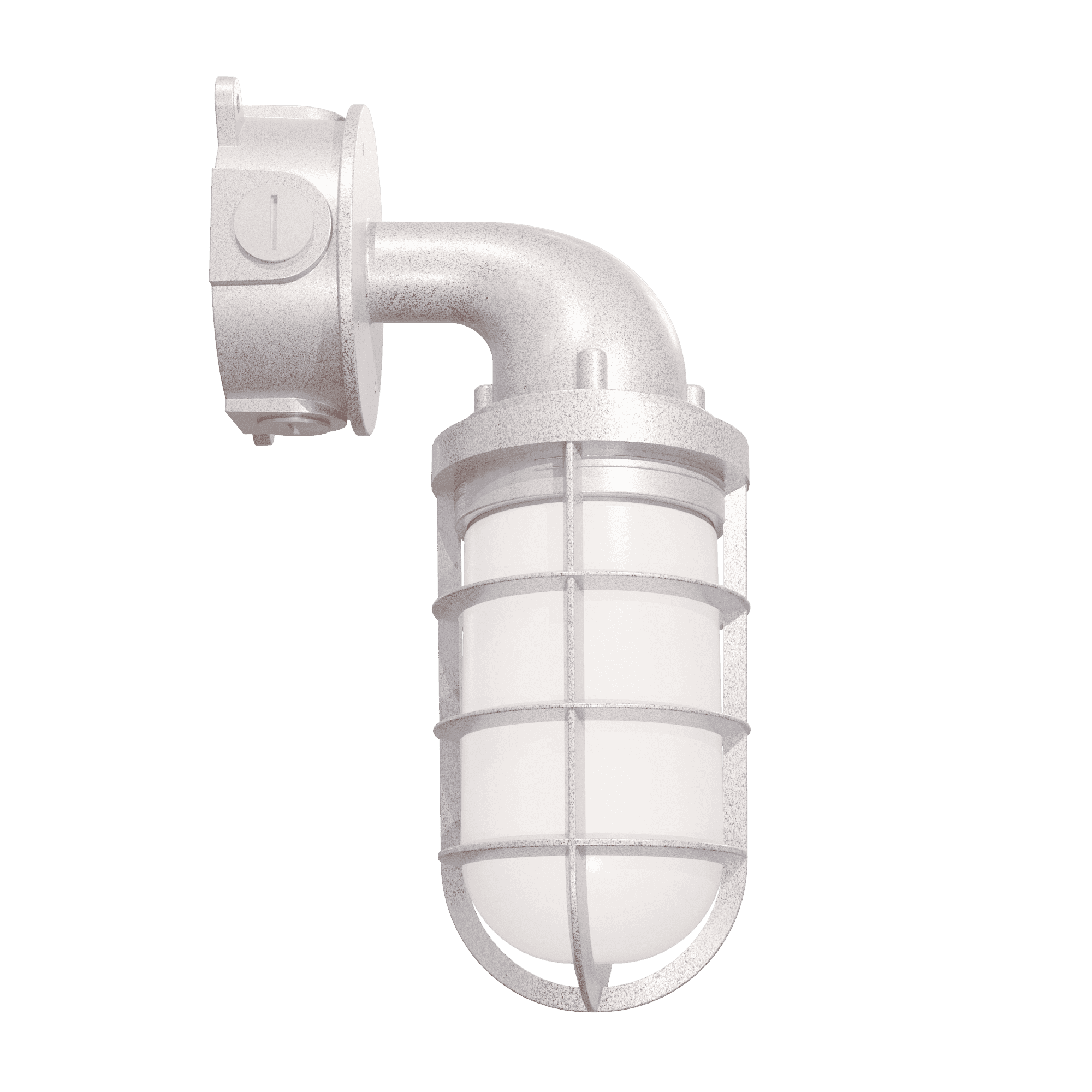
Fermenters, brite tanks and glycol lines sweat, and that condensation drips on whatever hangs above. Brewhouse vapor tight lights belong here. The VP pendant and VW/VWB wall mount have die-cast, copper-free aluminum bodies, silicone gaskets and stainless fasteners. They are approved for moisture, corrosive fumes and non-explosive vapors. A Lexan globe avoids broken glass over open product.
Taproom lighting should flatter the beer and the people drinking it. Use 2700K to 3000K, keep lamps shielded from a seated guest's eye, and put the bar on its own dimming zone.
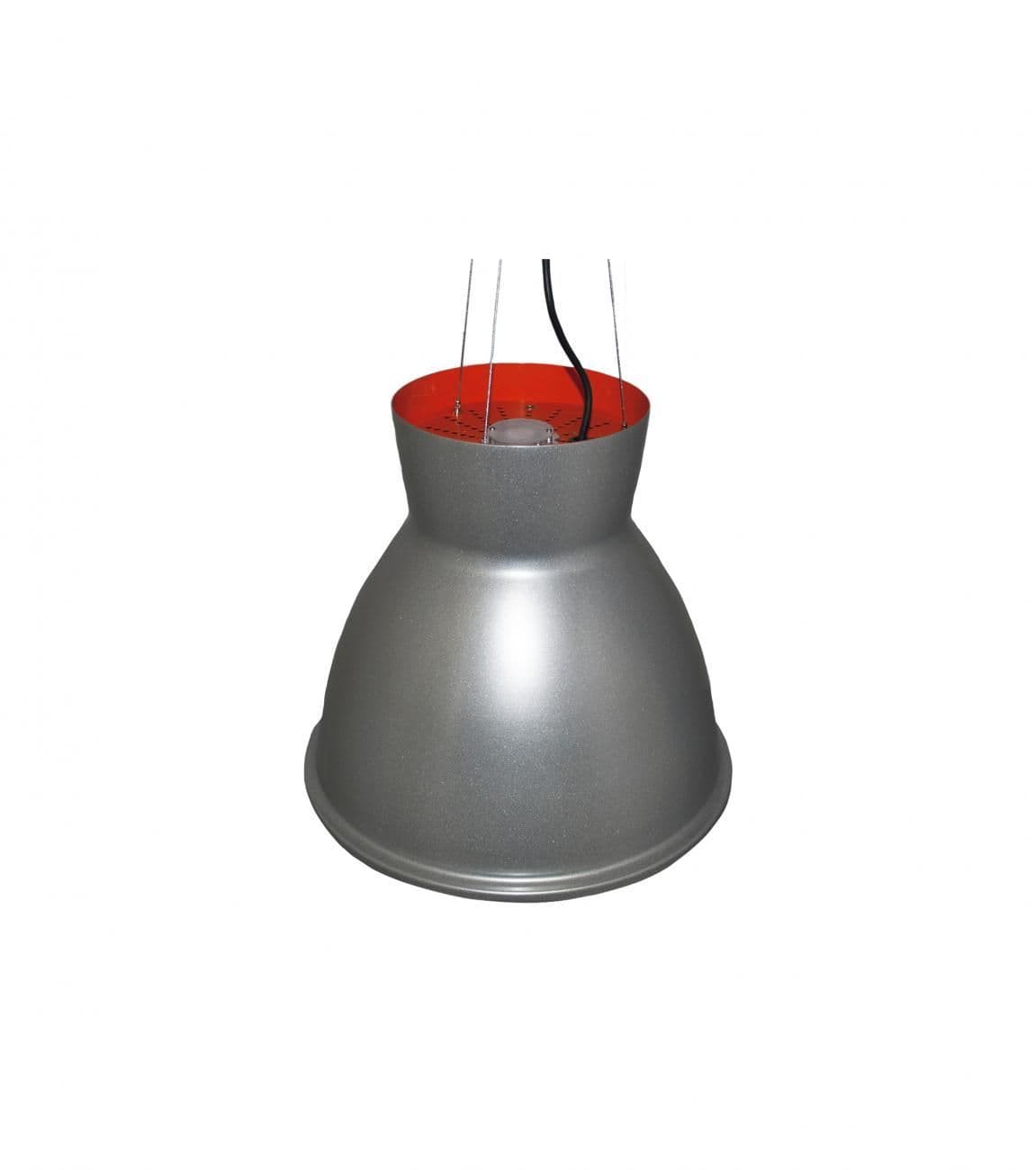
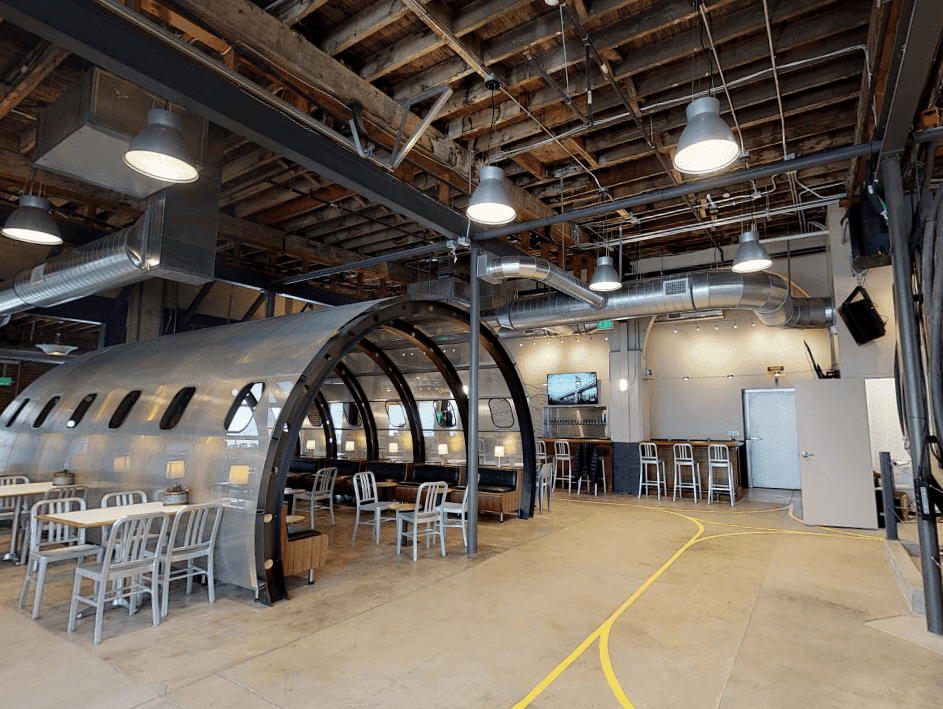
Warehouse taprooms often have 20 feet or more of open deck. Oversized Shades from 24 to 42 inches hold their scale up there. The BGL packs up to 12,000 lumens with 0–10V dimming, so an event hall can go from setup brightness to evening glow.
Brewery sign lights need to aim down onto the letters, not out into traffic. The Emblem Sign and Step Neck Angle on gooseneck arms wash the sign and the brick evenly. Both are cULus listed for wet locations.
Beer garden lighting has to survive rain and still feel warm. Wet-listed domes on goosenecks or poles, aimed down and shielded, light the tables without glaring at the neighbors.
| Brewhouse / production | Standard Dome or Step Neck Dome with globe and guard · cULus wet · 4000K for task work · stem or cord over the brew deck |
|---|---|
| Cellar & cold side | VP pendant or VW/VWB wall mount · UL wet, vapor tight · Lexan globe over open product · guard where forklifts pass |
| Taproom & bar | Standard Dome or Step Neck Dome, 12–18 in · 2700–3000K · dimmable · stem or cord, bottom about 30–36 in above the bar top |
| Mezzanine & event space | Oversized Shades 24–42 in or BGL · 3000K · 0–10V dimming (BGL) · long stems under exposed deck |
| Façade & sign | Emblem Sign or Step Neck Angle · cULus wet · gooseneck arm · aimed down onto the sign face |
| Patio & beer garden | Standard Dome on gooseneck or pole bracket · cULus wet · 2700–3000K · shielded, aimed down |
Des installations réelles — voyez comment ces luminaires s’assemblent sur le terrain.
A good fixture schedule is written at the start of the build-out, before the tanks arrive and the ceiling fills with glycol and gas lines. These are the choices that matter most.
"Wet location" and "damp location" are different UL listings. Anything that can be hosed down, rained on or dripped on by a tank needs a wet listing. Decorative fixtures like the Brilliante are listed for damp locations, so keep them in the taproom, away from washdown. Our vaportights are not hazardous-location (Class I) fixtures. If your grain handling or distilling area is classified, it needs classified equipment.
Use the same shade profile in the brewhouse and the taproom, then change only the mounting and the accessories. A dome with a globe and guard over the kettles and the same dome open over the bar reads as one design and keeps one family of spare parts on the shelf. Place fixtures so they can be relamped from a lift without moving tanks.
Bock powder-coats every shade to order. The custom library holds thousands of finishes, including wrinkles, metallics and textures, and we can match a brand color from a chip or a RAL number.
Put the brewhouse, the taproom, the bar and the patio on separate circuits so the taproom can dim for events while production stays bright. Choose LED modules with 0–10V dimming where the zone needs it, and pick one CCT per zone.
Fixtures are built to order, so put lighting on the schedule early. Share your opening date when you request a quote, and ask your rep about phased shipments for the production side and the taproom.
Most taprooms look best at 2700K to 3000K. Warm white brings out the amber, copper and gold in beer and makes skin tones look healthy, which suits the relaxed feel people want at a bar. Keep production areas cooler, around 4000K, where brewers need to read gauges and judge clarity. Put the taproom on dimmers for evening events.
Send us your floor plan and opening date. A Bock rep will help you pick fixtures for every zone and match your brand color.

Wet-listed RLM shades and vaportights for the brewhouse, warm pendants for the taproom, and sign lights for the façade, built to order in your brand color.
Good brewery lighting splits the building in two. Use wet-listed RLM shades and vaportight fixtures over the brewhouse and cellar, where hoses, steam and condensation are daily facts. Then use warm, dimmable 2700K to 3000K pendants in the taproom so the beer shows its true color. The best breweries keep one shade family across both sides, so the building reads as one place.
Picture brew day. Steam rolls off the kettle, the floor is wet from the last hose-down, and through the glass wall the taproom is filling up for the evening. Out front, the brewery's name glows on old brick under a row of gooseneck lights. The same spun-metal shade hangs over the fermenters, the bar and the sign, in the same color as the logo.
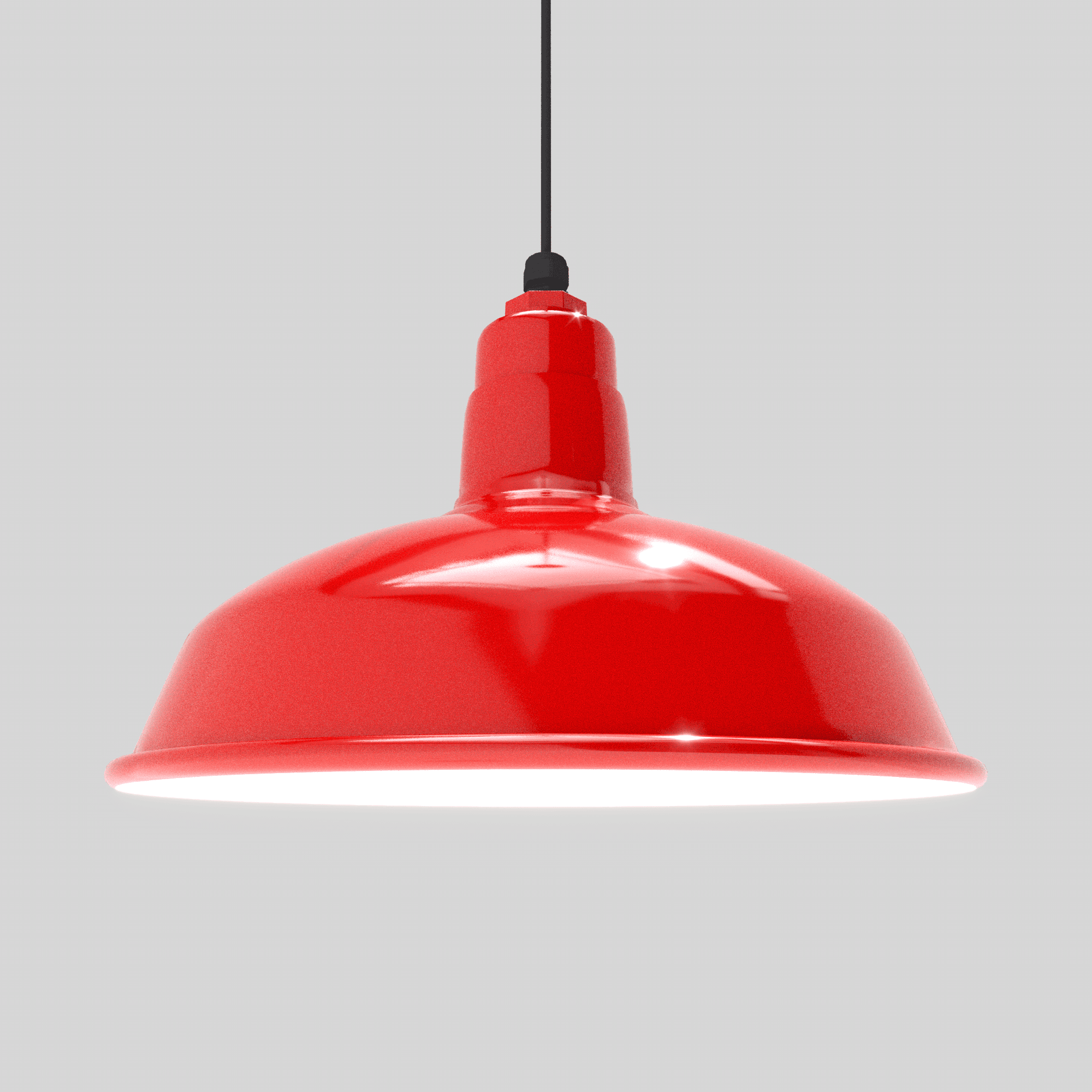
Bock builds that kit to order. The Standard Dome and Step Neck Dome are spun-metal RLM shades listed for wet locations, so they work on the production floor and in the taproom alike. The VP Vaportight Pendant handles washdown and corrosive fumes. The Emblem Sign lights the façade. Every one comes in any color from our powder-coat library.
Wet-listed shades and vaportights for production, large-scale pendants for the taproom, and sign lights for the building outside.
A craft brewery holds six very different rooms under one roof, and each one asks something different of a light fixture.
This is industrial lighting for a brewery in the literal sense: hot kettles, CIP cleaning, caustic and acid washes, and a floor that is always wet. Specify fixtures listed for wet locations, not damp. A wet-listed RLM such as the Standard Dome or Step Neck Dome, fitted with a globe and guard, gives even light on the brew deck and still matches the taproom.
Fermenters, brite tanks and glycol lines sweat, and that condensation drips on whatever hangs above. Brewhouse vapor tight lights belong here. The VP pendant and VW/VWB wall mount have die-cast, copper-free aluminum bodies, silicone gaskets and stainless fasteners. They are approved for moisture, corrosive fumes and non-explosive vapors. A Lexan globe avoids broken glass over open product.
Taproom lighting should flatter the beer and the people drinking it. Use 2700K to 3000K, keep lamps shielded from a seated guest's eye, and put the bar on its own dimming zone.
Warehouse taprooms often have 20 feet or more of open deck. Oversized Shades from 24 to 42 inches hold their scale up there. The BGL packs up to 12,000 lumens with 0–10V dimming, so an event hall can go from setup brightness to evening glow.
Brewery sign lights need to aim down onto the letters, not out into traffic. The Emblem Sign and Step Neck Angle on gooseneck arms wash the sign and the brick evenly. Both are cULus listed for wet locations.
Beer garden lighting has to survive rain and still feel warm. Wet-listed domes on goosenecks or poles, aimed down and shielded, light the tables without glaring at the neighbors.
| Brewhouse / production | Standard Dome or Step Neck Dome with globe and guard · cULus wet · 4000K for task work · stem or cord over the brew deck |
|---|---|
| Cellar & cold side | VP pendant or VW/VWB wall mount · UL wet, vapor tight · Lexan globe over open product · guard where forklifts pass |
| Taproom & bar | Standard Dome or Step Neck Dome, 12–18 in · 2700–3000K · dimmable · stem or cord, bottom about 30–36 in above the bar top |
| Mezzanine & event space | Oversized Shades 24–42 in or BGL · 3000K · 0–10V dimming (BGL) · long stems under exposed deck |
| Façade & sign | Emblem Sign or Step Neck Angle · cULus wet · gooseneck arm · aimed down onto the sign face |
| Patio & beer garden | Standard Dome on gooseneck or pole bracket · cULus wet · 2700–3000K · shielded, aimed down |
Des installations réelles — voyez comment ces luminaires s’assemblent sur le terrain.
A good fixture schedule is written at the start of the build-out, before the tanks arrive and the ceiling fills with glycol and gas lines. These are the choices that matter most.
"Wet location" and "damp location" are different UL listings. Anything that can be hosed down, rained on or dripped on by a tank needs a wet listing. Decorative fixtures like the Brilliante are listed for damp locations, so keep them in the taproom, away from washdown. Our vaportights are not hazardous-location (Class I) fixtures. If your grain handling or distilling area is classified, it needs classified equipment.
Use the same shade profile in the brewhouse and the taproom, then change only the mounting and the accessories. A dome with a globe and guard over the kettles and the same dome open over the bar reads as one design and keeps one family of spare parts on the shelf. Place fixtures so they can be relamped from a lift without moving tanks.
Bock powder-coats every shade to order. The custom library holds thousands of finishes, including wrinkles, metallics and textures, and we can match a brand color from a chip or a RAL number.
Put the brewhouse, the taproom, the bar and the patio on separate circuits so the taproom can dim for events while production stays bright. Choose LED modules with 0–10V dimming where the zone needs it, and pick one CCT per zone.
Fixtures are built to order, so put lighting on the schedule early. Share your opening date when you request a quote, and ask your rep about phased shipments for the production side and the taproom.
Most taprooms look best at 2700K to 3000K. Warm white brings out the amber, copper and gold in beer and makes skin tones look healthy, which suits the relaxed feel people want at a bar. Keep production areas cooler, around 4000K, where brewers need to read gauges and judge clarity. Put the taproom on dimmers for evening events.
Send us your floor plan and opening date. A Bock rep will help you pick fixtures for every zone and match your brand color.