Lighting Requirements in Redlands, California
Lighting Regulations in Redlands, California: Balancing Historical Character with Modern Needs
Introduction
Redlands, California, established in 1888, is a city that takes great pride in its rich historical character and architectural heritage. From its beginnings as the "Washington Navel Orange Growing Capital of the World" to today's vibrant community, Redlands has consistently demonstrated its commitment to preserving its unique identity while adapting to modern needs.
The city's lighting regulations reflect this balance – designed to ensure safety and functionality while respecting the historical integrity that makes Redlands special. These regulations help maintain the charm of tree-lined State Street, historic districts, and landmarks like the A.K. Smiley Public Library, while providing adequate illumination for residents and businesses.
Quick Reference Guide to Redlands Lighting Regulations
- Light Trespass Limits: Maximum 0.5 foot-candle at property lines for agritourism uses
- Recreation Court Lighting: Maximum height of 20 feet, operation between 10:00 a.m. and 8:00 p.m. only
- Commercial Areas: Lighting must protect highways and neighboring properties from glare
- Festival Lighting: Specific illumination levels required based on area type
- Adult-Oriented Businesses: Minimum 1 foot-candle illumination required for parking areas
- Sign Illumination: Generally not permitted between 10:00 p.m. and 6:00 a.m.
General Lighting Principles
Glare Prevention
Throughout Redlands' code, one principle remains consistent: lighting must be arranged to prevent direct glare or hazardous interference with neighboring properties and streets. This requirement appears in regulations for multiple zoning districts including Commercial (C-2, C-3, C-4), Educational (E), Transitional (T), and Manufacturing zones.
Historical Consideration
Lighting installations are evaluated based on how they contribute to the city's historical and scenic heritage. In the civic design district, the planning commission specifically reviews "the illumination of buildings, grounds, parking areas and signs" when studying development plans.
Light Trespass Prevention
Modern regulations emphasize containing light within property boundaries:
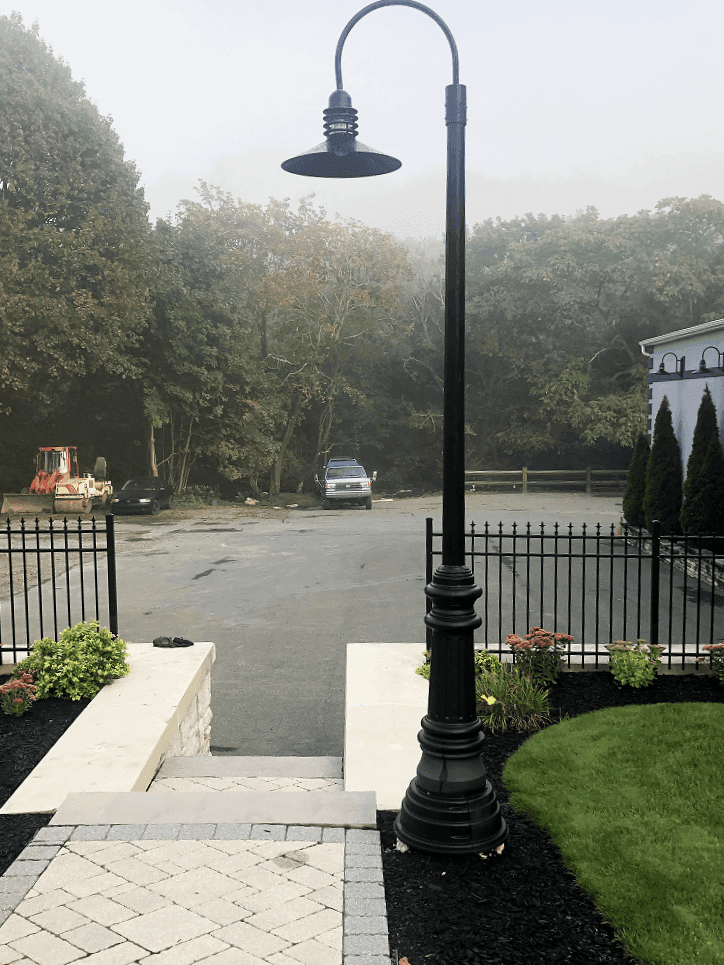
- All exterior light fixtures visible from public right-of-way must have shielding to contain illumination within the subject property
- Fixtures must prevent light trespass and glare overspill
Residential Lighting Requirements
Recreation Court Lighting
Redlands has specific regulations for lighting residential recreation courts:
- Maximum height: 20 feet above grade level
- Operation hours: 10:00 a.m. to 8:00 p.m. only
- Maximum power: 1,000 watts per light fixture
- Light trespass limit: Must not exceed 0.5 foot-candle at any property line
- Pole placement: Light poles must be at least 10 feet from all property lines
- Prohibited lighting types: Low pressure sodium and mercury vapor lamps
- Maximum poles: No more than 6 supporting poles permitted
Fixture Requirements
For residential recreation courts:
- Light fixtures must be full cut-off design with the bulb fully enclosed
- Fixtures and poles must be coated with low-reflective material
- Lights must be focused downward and not spill glare onto adjacent properties
.jpg&w=3840&q=75)
.jpg&w=3840&q=75)
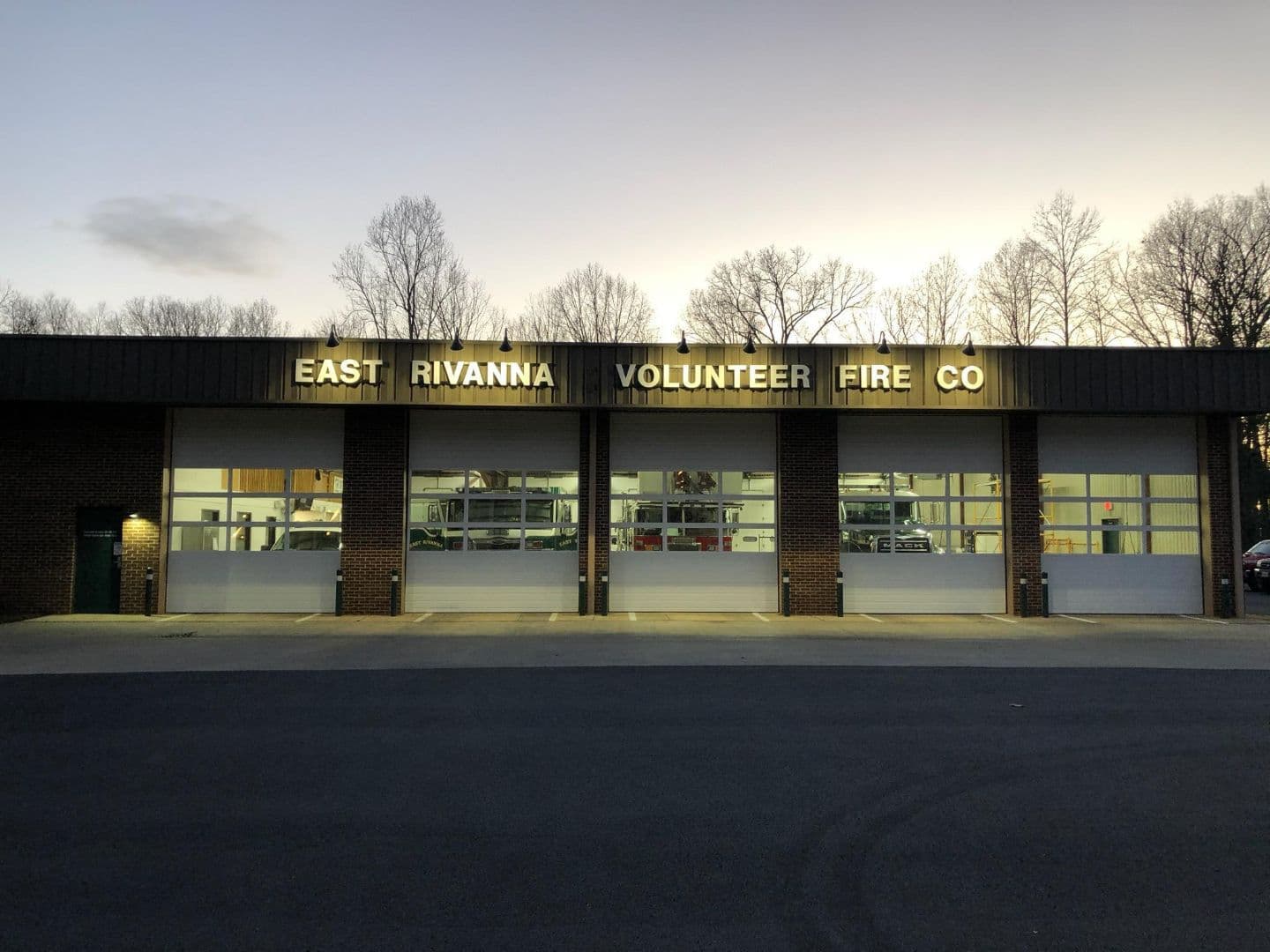
East Rivanna Volunteer Fire Co.
Keswick, Virginia
Commercial & Business Lighting
General Requirements
In commercial zones (C-2, C-3, C-4), lighting facilities must be arranged to protect highways and neighboring properties from direct glare or hazardous interference.
Manufacturing Zones
Industrial and manufacturing zones have specific requirements:
- Operations must not emit glare detectable on boundary lines
- Arc welding and similar processes must be shielded from view beyond the property
Agritourism Uses
For agricultural tourism businesses:
- Light trespass must not exceed 0.5 foot-candle at property lines
- All outdoor fixtures must be fully shielded
- Lighting must be extinguished by 11:00 p.m., at close of business, or when people are no longer present
- Blinking, flashing, or high-intensity lighting causing light trespass is prohibited
Special Use Lighting Requirements
Festival Lighting
For outdoor festivals and events, Redlands specifies illumination levels:
- Open areas for spectators: 0.50 Watts Per Square Foot
- Stage areas: 5.00 Watts Per Square Foot
- Parking and overnight areas: 0.25 Watts Per Square Foot
- Restroom and concession areas: 1.00 Watts Per Square Foot
The director of public works must approve all festival lighting plans.
Adult-Oriented Businesses
These establishments have specific illumination requirements:
Interior Lighting:
- Bookstores/retail: 20 foot-candles
- Theaters/cabarets: 5 foot-candles (1.25 during performances)
- Arcades: 10 foot-candles
- Motels/hotels (public areas): 20 foot-candles
- Modeling studios: 20 foot-candles
Exterior Lighting:
- Parking areas must maintain 1 foot-candle average illumination from dusk until closing
Mobilehome Parks
Each mobilehome park must provide:
- Adequate lighting for all interior streets and walkways
- Light support structures positioned for safe pedestrian and vehicle circulation
- If signs are illuminated, lighting must be directed away from streets and adjacent properties
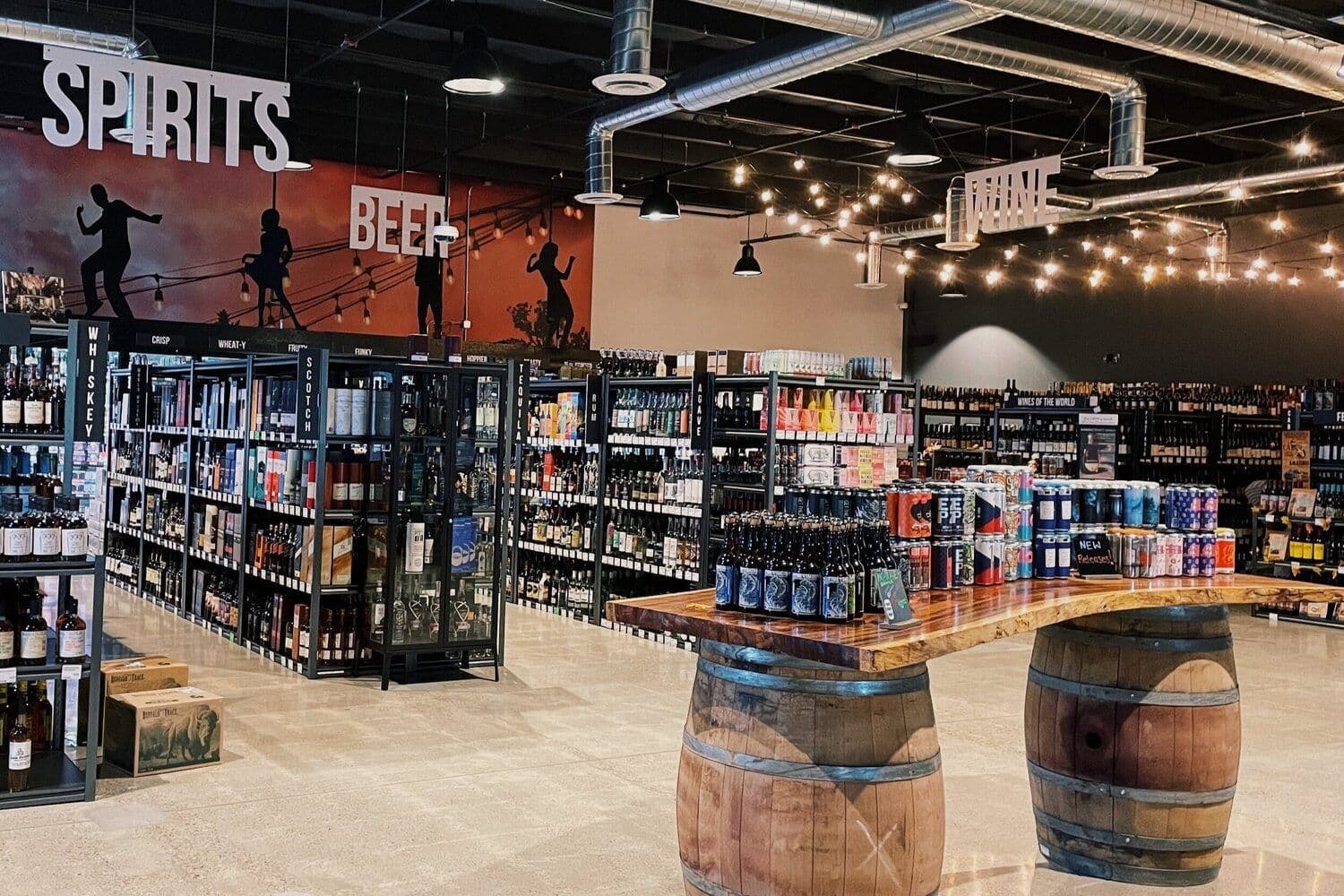
Denver, Colorado
Sign Illumination Regulations
Timing Restrictions
- Most illuminated signs must be turned off between 10:00 p.m. and 6:00 a.m.
- Hotels and lodging houses must keep hallways, stairs, and exits lighted between 7:00 p.m. and 6:00 a.m.
Illumination Types
- Monument signs: Only letters may be illuminated, translucent backgrounds prohibited
- E (Educational) zoning district: External illumination only
- Subdivision signs: External illumination only, directed away from streets and properties
- Directional signs: May incorporate decorative or safety lighting but not internal lighting
Special Regulations
- All freestanding signs with lighting must have underground utility service
- All sign illumination systems must incorporate contemporary energy-saving techniques
- Neon signs must not exceed 30 milliamps
- Exposed incandescent bulbs must not exceed 15 watts
Supporting Redlands' Lighting Vision
At Bock Lighting, we understand and appreciate Redlands' commitment to preserving its historical character while meeting modern lighting needs. As a manufacturer with roots dating back to 1918, we share Redlands' values of historical preservation and community character.
Our experience with communities that balance safety and functionality with aesthetic preservation gives us unique insight into the challenges and opportunities presented by Redlands' lighting regulations. We're committed to helping property owners understand these regulations and find lighting solutions that enhance rather than detract from the city's unique character.
Redlands' approach to lighting—emphasizing glare prevention, appropriate illumination levels, and preservation of historical character—aligns with our belief that good lighting should serve both functional and aesthetic purposes. We're proud to serve as an educational resource for communities like Redlands that are working to maintain their distinctive character while embracing modern lighting technology.
Conclusion
Redlands' lighting regulations reflect its commitment to preserving historical character while ensuring safety and functionality. From residential properties to commercial establishments, these regulations help maintain the city's unique ambiance and prevent light pollution.
Property owners should carefully review the specific lighting requirements for their zone and property type, paying particular attention to illumination levels, fixture types, timing restrictions, and glare prevention measures. With careful planning and quality lighting design, Redlands can continue to shine as a community that successfully balances preservation with progress.
Remember that these regulations may change over time, so it's always advisable to check with the city's planning department for the most current requirements before installing or modifying exterior lighting.