Lighting Requirements in Newberry County South, Carolina
Lighting Regulations in Newberry County, South Carolina: Preserving Historical Character While Ensuring Safety
Introduction
Established in 1785, Newberry County, South Carolina carries a rich historical legacy that spans over two centuries. The county's architectural heritage, exemplified by landmarks like Coateswood (built in 1841), reflects the region's commitment to preserving its distinctive character while adapting to modern needs.
Lighting regulations in Newberry County serve a dual purpose: they maintain the aesthetic integrity of historical areas while ensuring safety and functionality for residents and businesses. These regulations reflect the county's values—balancing preservation with progress, and respecting both private property rights and community standards.
As we explore Newberry County's lighting regulations, we'll see how they help maintain the county's unique atmosphere while addressing practical concerns about safety, visibility, and neighborly consideration.
Quick Reference Guide: Key Lighting Requirements
Before diving into details, here's a summary of the most important lighting regulations in Newberry County:
- General Requirements:
- All exterior light fixtures must be fully shielded to prevent light spillover onto neighboring properties
- No flashing lights are permitted
- No lighting that resembles warning or emergency signals is allowed
- No direct or reflected glare visible at property lines
- Technical Specifications:
- Sexually-oriented businesses: Minimum illumination of 1 foot-candle measured at floor level
- Electronic billboards: Maximum light output of 0.3 foot-candles over ambient light levels
- Electronic signs: Maximum brightness of 342 nits for signs <672 square feet and 300 nits for larger signs
- Special Circumstances:
- Stadiums, ball fields, and sports courts are exempt from general standards but must minimize light trespass
- Parking facilities must have adequate lighting for nighttime use with shielded fixtures
General Lighting Standards and Requirements
Preventing Light Trespass
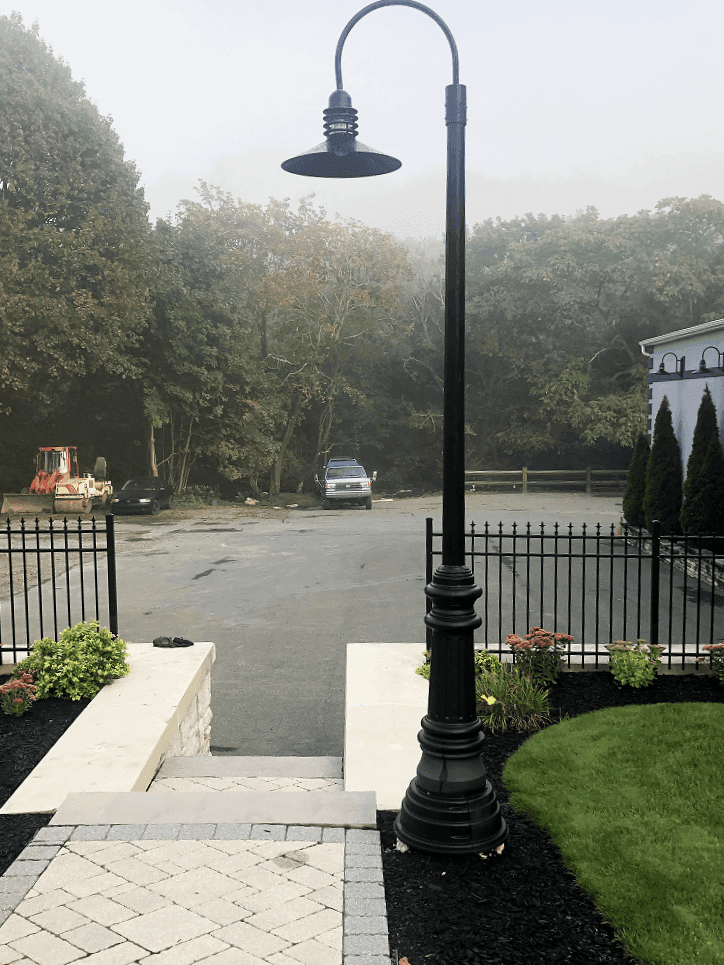
The cornerstone of Newberry County's lighting regulations is consideration for neighboring properties. The code specifically states that all exterior light fixtures "shall be fully shielded and installed in such a way that no light spills over onto adjacent properties or rights-of-way."
This requirement helps preserve the county's rural character and prevents unwanted light intrusion into residential areas.
Glare Prevention
Glare is specifically addressed as both a safety hazard and a nuisance:
- Any artificial light source creating glare visible from public areas is prohibited as a safety hazard
- Light sources creating glare visible from neighboring properties are prohibited as a nuisance
- Solar collection equipment must be installed to prevent reflected glare at property lines
Prohibited Lighting Types
The county code clearly prohibits certain types of lighting:
- Flashing lights are not permitted
- Lighting that resembles emergency signals is prohibited
- Scrolling or moving lights on signs (with limited exceptions)
Exemptions from Standard Requirements
Some lighting applications have specific exemptions:
- Lighting fixtures required by government agencies (including street lights)
- Lighting for emergency services and nighttime road construction
- Stadiums, ball fields, and tennis courts (though light trespass must still be minimized)
Specific Requirements for Different Uses
Parking Area Lighting
The county requires that parking facilities used at night have adequate lighting. Equipment used for parking illumination must be:
- Properly shielded to prevent "sky glow"
- Designed to prevent light trespass onto adjacent residential areas and public rights-of-way
Sign Illumination
Sign lighting has several specific requirements:
- Placement: Devices illuminating signs must be placed and shielded to prevent light from entering residences or public rights-of-way
- Trespass Prevention: Sign lighting must not create glare dangerous to motorists or interfering with adjacent properties
- Electronic Signs: Must remain static for at least 8 seconds with transitions of no more than 2 seconds
- Nighttime Dimming: From sunset to 11:00 p.m., electronic signs must not exceed brightness limits (342 nits for smaller signs, 300 nits for larger signs)
- Late Night Restrictions: From 11:00 p.m. until sunrise, illumination must be extinguished except for emergency alerts
Sexually-Oriented Businesses
The county code includes specific lighting requirements for these establishments:
- Minimum illumination of 1 foot-candle measured at floor level
- Owners, operators, and employees must ensure this illumination is maintained whenever patrons are present
- Site plans must specify the location of all overhead lighting fixtures for certain types of these businesses

.jpg&w=3840&q=75)
Airport Safety Considerations
Within Airport Safety Areas, lighting regulations are particularly important:
- No lighting that diminishes pilots' ability to distinguish between airport lights and other lights
- No lighting resulting in glare for pilots using the airport
- No lighting that impairs visibility in the vicinity of the airport
These regulations help ensure the safety of air travel while accommodating necessary ground lighting.
What Property Owners Should Know
Planning for Compliance
When planning exterior lighting for your property in Newberry County, consider these practical steps:
- Choose fully shielded fixtures that direct light downward rather than outward or upward
- Position lights carefully to avoid spillover onto neighboring properties
- Consider color temperature and brightness that complements the historical character of the area
- Include lighting details in site plans and permit applications
Common Compliance Challenges
Property owners sometimes face challenges with:
- Historic properties: Balancing modern lighting needs with historical authenticity
- Security lighting: Ensuring safety while avoiding light trespass
- Landscape lighting: Creating aesthetic appeal without creating nuisance for neighbors
When Lighting Changes Require Approval
You'll need to include lighting information in your plans when:
- Enlarging a nonconforming structure (lighting must not increase)
- Creating site plans for solar farms
- Developing plans that require consideration of sensory impacts on neighboring properties

Supporting Newberry County's Lighting Vision
Bock Lighting, with roots dating back to 1918, shares Newberry County's commitment to preserving historic character while embracing appropriate modern technology. As a manufacturer with a deep appreciation for regional architectural styles, Bock understands the delicate balance between safety, functionality, and aesthetic preservation that defines Newberry County's approach to lighting.
Our experience with projects that respect community character makes us a valuable resource for understanding and navigating local lighting regulations. We're committed to supporting Newberry County's vision through:
- Educational resources about lighting regulations and best practices
- Expertise in lighting solutions that complement historical architecture
- Commitment to sustainable lighting practices that align with community values
- Understanding of the unique needs of rural communities with rich historical legacies
We appreciate Newberry County's thoughtful approach to lighting that maintains its architectural heritage while meeting modern needs.
Conclusion
Newberry County's lighting regulations reflect its commitment to preserving its historical character while ensuring safety and functionality for residents and businesses. By focusing on preventing light trespass, minimizing glare, and establishing specific standards for different uses, these regulations help maintain the unique atmosphere that makes Newberry County special.
Property owners who understand these requirements can design lighting systems that both meet their needs and respect their neighbors, contributing to the community's overall quality of life and historical preservation efforts.
Whether you're a homeowner planning exterior lighting upgrades or a business owner designing signage, keeping these regulations in mind will help ensure your project aligns with Newberry County's vision for thoughtful, responsible lighting.