Lighting Requirements in Monticello, Iowa
Lighting Regulations in Monticello, Iowa: Balancing Small-Town Character with Modern Illumination Needs
Introduction
Nestled in Jones County, Monticello, Iowa offers a perfect blend of small-town charm and convenient access to larger cities like Cedar Rapids and Dubuque. Founded in 1836, this community of approximately 4,000 residents has carefully preserved its historical character while adapting to modern needs.
Monticello's downtown showcases this balance with its mix of historical architecture and contemporary establishments. The city's approach to development—including its lighting regulations—reflects its commitment to maintaining community character while ensuring safety and functionality.
Let's explore how Monticello's lighting regulations support the city's unique small-town atmosphere while addressing practical illumination needs.
Quick Reference Guide to Monticello's Lighting Requirements
- Parking Areas: Lights required for all parking areas intended for night use
- Light Direction: Lights must be arranged or shielded to direct illumination away from residences and public areas
- Residential Exemptions: One-family and two-family dwellings in R-1 and R-2 districts exempt from certain lighting requirements
- Nuisance Prevention: No use shall emit glare or effects that create a nuisance
- Sign Illumination: Detailed regulations for electric signs, projecting signs, and wall signs
- Airport Safety: Special lighting restrictions near Monticello Regional Airport
Residential Development Lighting Requirements
Private Streets and Walkways
Monticello requires lighting for all private streets, walkways, buildings, and other facilities subject to nighttime use in residential developments. These must comply with city requirements for residential streets and walkways.
Nuisance Prevention
The city specifically prohibits uses that produce glare detectable to normal sensory perception outside structures. This ensures that lighting from one property doesn't negatively impact neighbors or create visual distractions.
Exemptions for Single-Family Homes
The code provides some flexibility for homeowners in residential areas:
- One-family and two-family dwellings in Districts R-1 and R-2 are not required to comply with certain lighting provisions that apply to larger developments
- This exemption specifically relates to the lighting requirements for parking areas
Parking Area Lighting Standards
Required Illumination
All parking areas intended for night use must be illuminated. This requirement ensures safety for pedestrians and vehicles during evening hours.
Light Direction and Shielding
Monticello's code emphasizes responsible lighting practices:
- Lights must be arranged or shielded to direct illumination away from residences
- Illumination must also be directed away from public areas
- This requirement helps prevent light trespass while still providing adequate illumination
Residential Exemptions
The code provides exemptions for:
- One-family dwellings in R-1 and R-2 districts
- Two-family dwellings in R-1 and R-2 districts
These properties don't need to comply with the same parking area lighting requirements as larger developments.

Sign Illumination Regulations
Electric Sign Standards
Monticello has detailed requirements for illuminated signage:
- Professional Design: All electric signs must be manufactured and professionally designed to meet UL specifications
- Light Levels: Signs must maintain a constant level of light (automatic dimmers permitted to reduce effects at night)
- Council Approval: Any external lighting requires approval by the City Council
- Prohibited Features: Bare light bulbs are not permitted
- Obstruction: Signs cannot obstruct light or ventilation of buildings
Special Sign Types
Electric Changeable Copy Signs
- Allowed for specific uses: events centers, convenience stores, schools, lending institutions, churches, and other public uses
- Maximum size of 32 square feet per side
- Must be integrated into an approved monument sign
Neon and Architectural Lighting
- Neon lights, murals, or similar architectural details may be permitted with Commission and City Council approval
- Must create an identifiable theme and not be detrimental to the surrounding environment
Wall and Projecting Sign Illumination
Both wall signs and projecting signs may be externally or internally illuminated unless restricted elsewhere in the ordinance. For internally illuminated signs:
- Only text, copy, or graphic elements should be illuminated
- Background must remain opaque
- Can be accomplished with channel letters, halo lit letters, routered face with push through letters, or comparable design
Maintenance Requirements
The code emphasizes proper maintenance of illuminated signs:
- All signs including electrical wiring, fixtures, supports, faces, lighting, and braces must be kept in good repair
- Signs must be kept neatly painted to prevent rust, unsightly deterioration, and weathering
Airport Area Lighting Restrictions
Pilot Safety Considerations
Monticello has special lighting restrictions near the airport to ensure aviation safety:
- Lights that make it difficult for pilots to distinguish between airport lights and others are prohibited
- Lighting that results in glare in the eyes of pilots is not allowed
- Lights that impair visibility in the vicinity of the airport are restricted
- Lighting that imitates airport lights is forbidden
Marking and Lighting of Obstructions
Owners of structures or trees that may obstruct airport operations must permit:
- Installation of markers and lights deemed necessary by the Manager of the Monticello Regional Airport
- These markers are typically installed and maintained at the airport's expense
- In some cases, permits may require owners to handle installation and maintenance
Public Safety Lighting Protections
Monticello's code includes provisions to protect public lighting infrastructure:
- It's unlawful to remove, destroy, or extinguish any lamp placed on streets or alleys for public safety
- During construction or hazardous conditions, adequate warning lights meeting city specifications must be provided
Supporting Monticello's Lighting Vision
At Bock Lighting, we recognize the unique balance that Monticello strives to maintain between its historical character and modern needs. As a manufacturer with over a century of experience dating back to 1918, we understand the importance of lighting solutions that respect community character.
We appreciate Monticello's thoughtful approach to lighting regulations, which preserve the city's small-town charm while ensuring safety and functionality. Our team is committed to helping communities maintain their distinctive character through appropriate lighting solutions.
With our experience working in communities like Monticello, we understand the importance of creating lighting that complements historical architecture while meeting modern standards. We're dedicated to serving as an educational resource for property owners navigating lighting regulations, not just as a product provider.
Our commitment to sustainable and responsible lighting practices aligns with Monticello's vision for balanced community development that respects both heritage and progress.
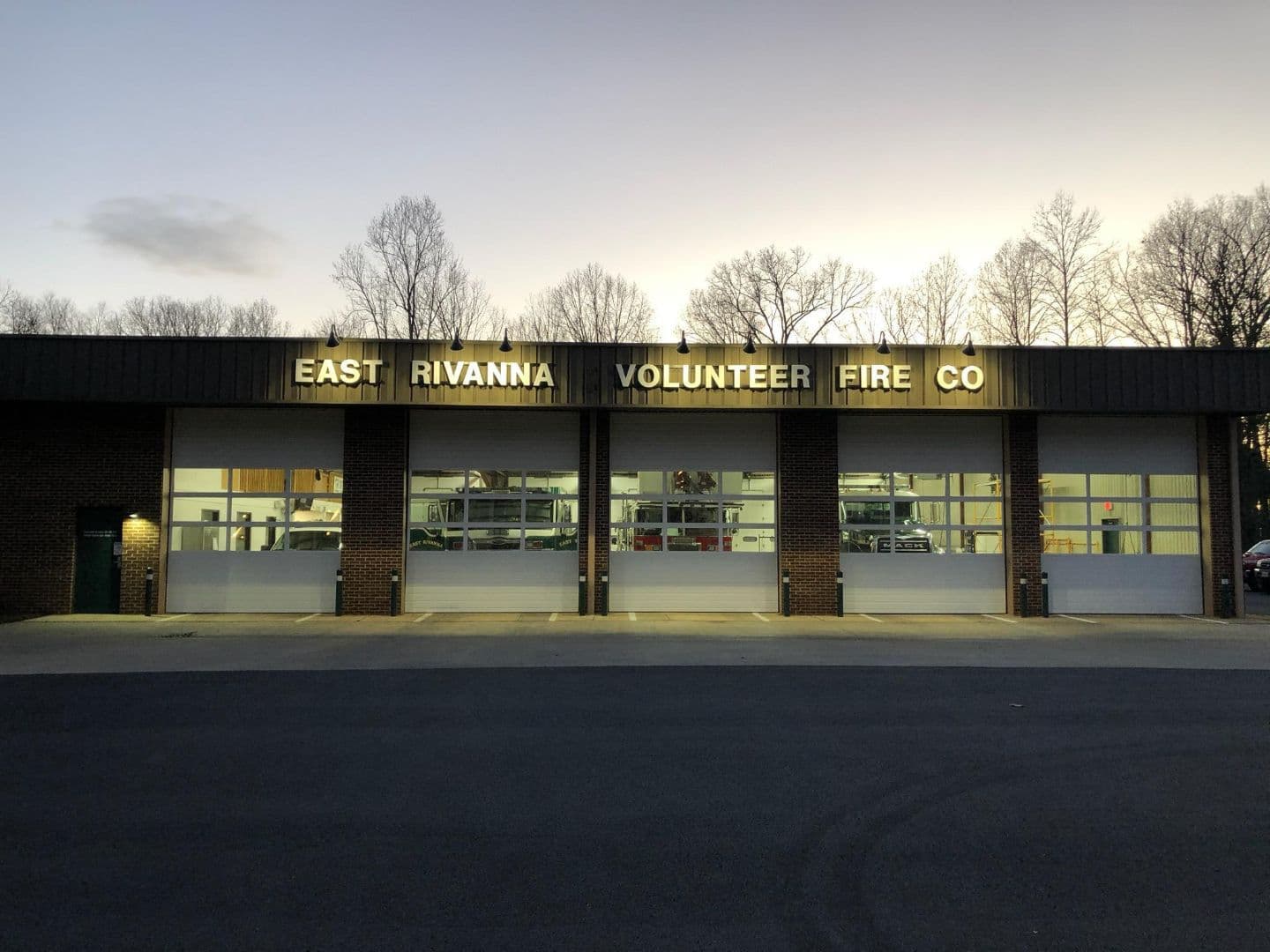
East Rivanna Volunteer Fire Co.
Keswick, Virginia
.jpg&w=3840&q=75)
Conclusion
Monticello's lighting regulations reflect the city's commitment to maintaining its historical character while ensuring public safety and modern functionality. From residential developments to commercial signage and airport safety, these guidelines help preserve the unique small-town atmosphere that makes Monticello special.
Property owners should pay particular attention to requirements for parking area lighting, sign illumination, and preventing light trespass into neighboring properties. By understanding and following these regulations, residents and businesses can contribute to Monticello's continued charm while ensuring adequate illumination for safety and comfort.
The city's approach strikes a careful balance between preservation and progress—ensuring that Monticello remains a welcoming community that honors its past while embracing its future.