Lighting Requirements in Millersburg, Indiana
Lighting Regulations in Millersburg, Indiana: Balancing Historical Character with Modern Needs
Introduction
Nestled in Elkhart County, Millersburg, Indiana traces its roots back to the mid-19th century when the expansion of railroads brought growth and prosperity to this charming Midwestern community. With a rich architectural heritage and strong commitment to maintaining its small-town character, Millersburg approaches its municipal regulations—including those related to lighting—with an eye toward preserving its historical ambiance while meeting contemporary needs.
Understanding local lighting regulations is essential for property owners, developers, and businesses operating in Millersburg. These guidelines help maintain the town's distinctive character while ensuring safety and functionality for all residents.
Quick Reference Guide
Based on available town ordinances and regulations, here's what Millersburg residents should know about lighting requirements:
- Purpose: Lighting regulations support safety, health, and public welfare of citizens
- Capital Improvements: Site lighting installations costing $5,000 or greater qualify as capital improvements
- Documentation: All significant lighting installations require documentation of acquisition date, location, and vendor
- Street Lighting: Governed by town ordinance 1985-2 (5-6-1985) establishing contracts for street lighting
- Infrastructure Classification: Street lighting systems are officially recognized as part of town infrastructure assets

Understanding Millersburg's Approach to Lighting
Historical Significance and Current Priorities
Millersburg's approach to lighting reflects its historical context. Founded during the railroad era, the town developed with a distinct architectural character that continues to influence its aesthetic choices today.
While Millersburg does not have a formally designated historic district, community values emphasize preserving the town's traditional appearance. This focus naturally extends to lighting considerations, which play a significant role in defining the nighttime character of the community.
Regulatory Framework
The town's building code explicitly acknowledges lighting as a component of public welfare and safety. Chapter regulations state their purpose includes providing "adequate lighting" alongside other essentials like structural strength, proper egress, and ventilation.
This foundational approach demonstrates Millersburg's understanding that appropriate lighting contributes to both community safety and preservation of town character.
Site Lighting as Capital Improvements
Definition and Classification
Millersburg officially recognizes "site lighting" as improvements other than buildings. This classification has important implications for property owners and developers planning lighting installations.
Capital Investment Threshold
For lighting installations to qualify as capital improvements, they must meet the following criteria:
- Cost threshold: Total cost of $5,000 or greater
- Documentation requirements: Must record acquisition date, location, and vendor
- Expense inclusion: Capitalization includes architectural and engineering fees, shipping costs, site work, contractor and subcontractor expenses
Financial Implications
This classification affects how businesses and the town itself account for lighting investments. Understanding these requirements helps property owners properly document and capitalize their lighting improvements.
.jpg&w=3840&q=75)
.jpg&w=3840&q=75)
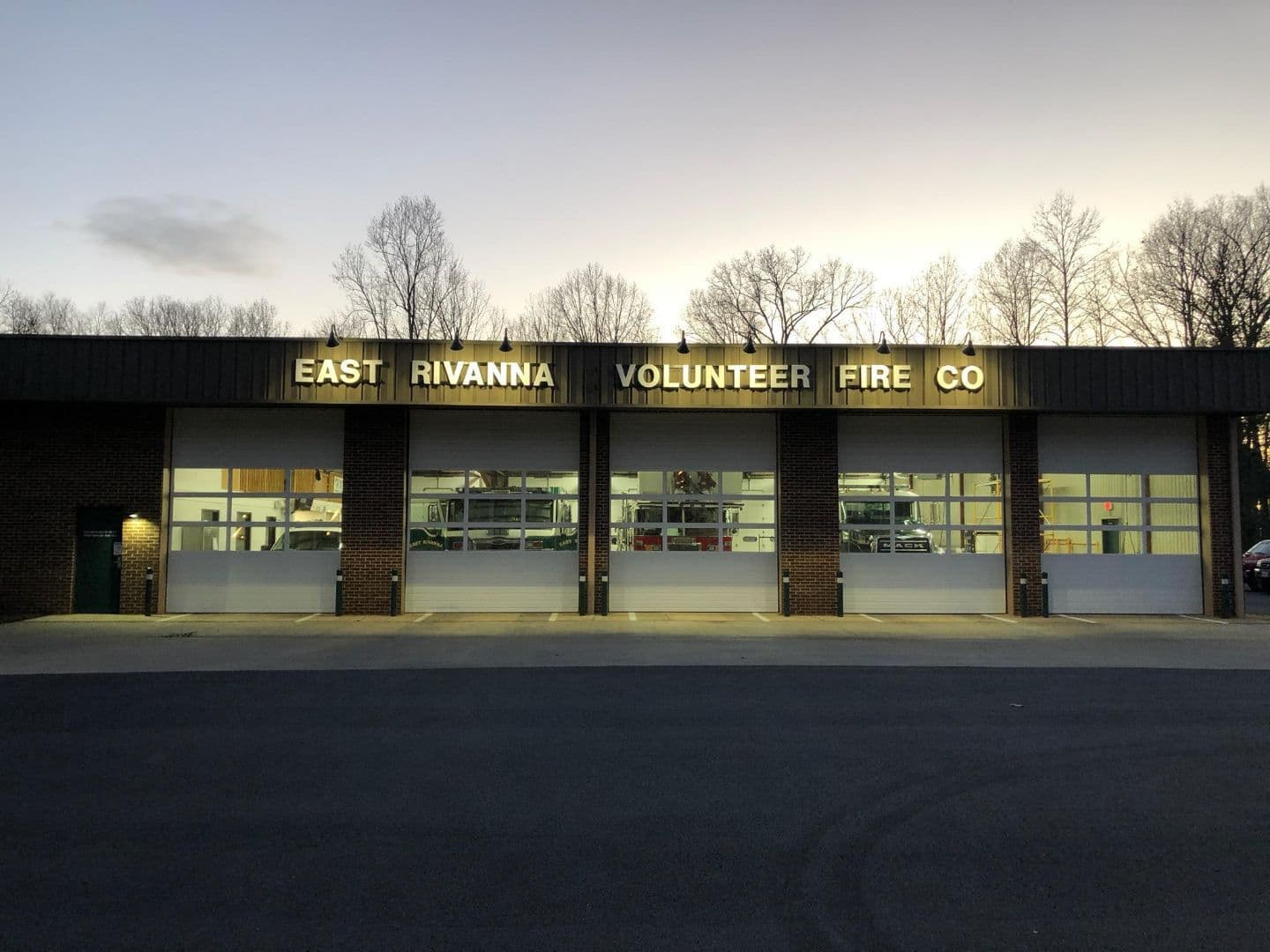
East Rivanna Volunteer Fire Co.
Keswick, Virginia
Street Lighting Framework
Millersburg has established formal provisions for street lighting through Ordinance 1985-2, dated May 6, 1985. This ordinance established the framework for street lighting contracts that continue to guide the town's approach today.
Street lighting systems are explicitly included as infrastructure among general town assets, highlighting their importance to community function and safety.
Implementation Considerations
While specific technical requirements aren't detailed in the available ordinances, the classification of street lighting as essential infrastructure emphasizes its importance to community function and safety.
What Property Owners Should Know
Planning for Lighting Projects
When considering lighting installations for your property in Millersburg, keep these key points in mind:
- Align with town values of historical preservation while meeting modern safety needs
- Budget appropriately, recognizing the $5,000 threshold for capital improvements
- Maintain proper documentation of all lighting installations
- Consider the visual impact on Millersburg's traditional aesthetic
Documentation Requirements
For significant lighting installations, prepare to document:
- Date of acquisition/installation
- Specific location details
- Vendor information
- All costs, including professional fees, shipping, and installation
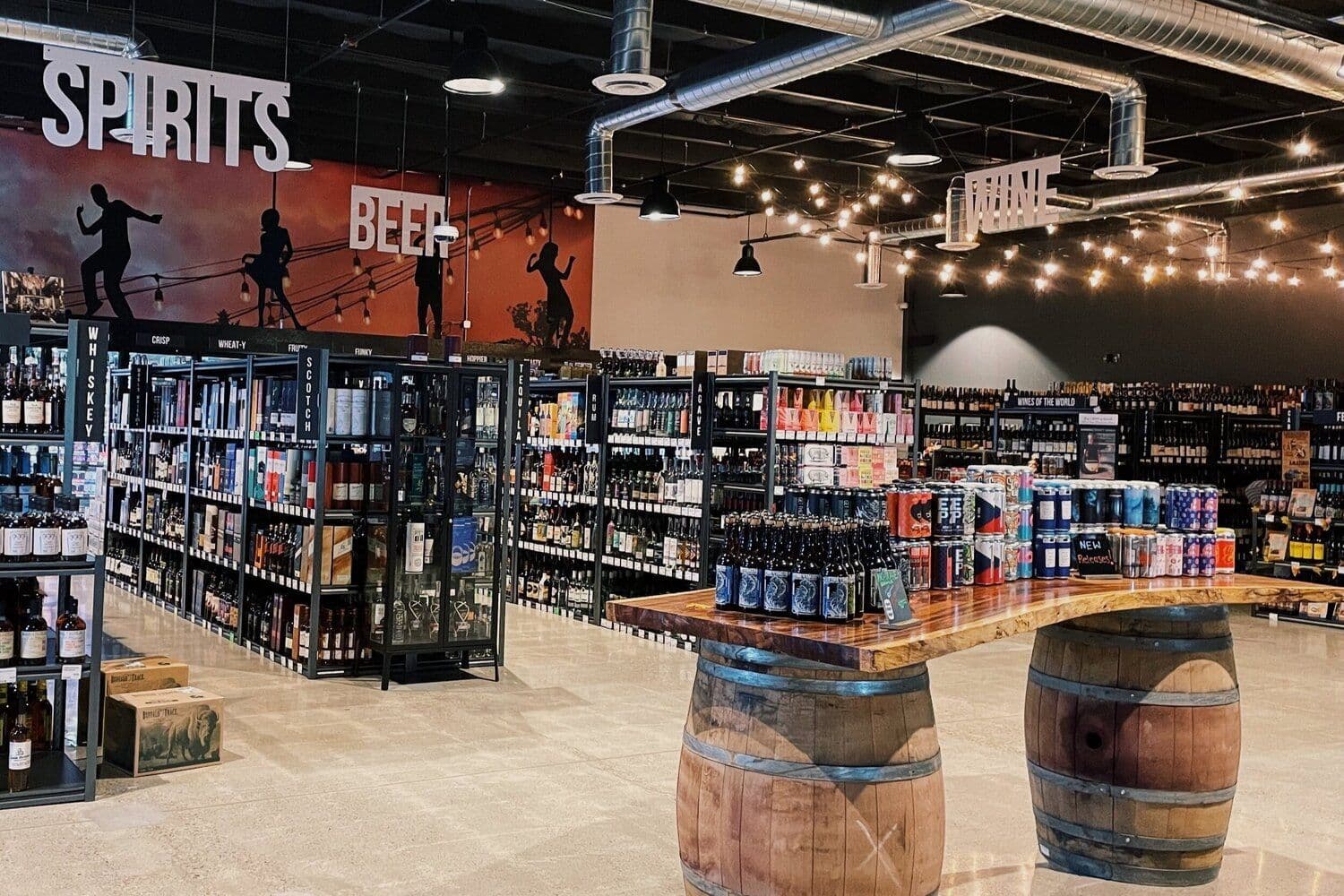
Denver, Colorado
Supporting Millersburg's Lighting Vision
At Bock Lighting, we understand the unique character of small Midwestern towns like Millersburg. With roots dating back to 1918, our Northeast Ohio manufacturing heritage gives us insight into the important balance between preserving historical character while embracing necessary modern lighting technology.
We recognize Millersburg's commitment to maintaining its small-town charm and historical structures. Our approach aligns with communities seeking to preserve their distinctive identity through thoughtful lighting choices that respect local character and complement traditional architecture.
Bock Lighting serves as an educational resource for communities navigating lighting regulations and seeking solutions that honor their historical heritage. Our experience working with towns similar to Millersburg has taught us that successful lighting solutions embrace both tradition and innovation.
Conclusion
Millersburg's approach to lighting regulations reflects its commitment to balancing historical preservation with modern needs. While the town's regulatory framework doesn't prescribe extensive technical specifications, it does establish clear guidelines for how lighting installations should be classified, documented, and valued.
Property owners should approach lighting projects with an understanding of Millersburg's historical character and community values. By respecting these considerations, lighting installations can enhance both the safety and aesthetic appeal of this charming Indiana town.
For specific questions about current lighting requirements or upcoming projects, contacting the Millersburg town offices is recommended to ensure compliance with all applicable regulations.