Lighting Requirements in Conrad, Montana
Lighting Regulations in Conrad, Montana: Safety Standards in a Historic Railway Town
Introduction
Conrad, Montana, established in the early 20th century by banking industry figure William G. Conrad, has grown from its railway beginnings into a close-knit community that values its historical character. As the county seat of Pondera County, this small city of approximately 2,753 residents (as of 2000) spans just 1.2 square miles, creating an intimate community setting.
Conrad's development has been closely tied to the Great Falls-Shelby connection of the Burlington Northern Santa Fe Railway, which continues to serve as an important hub for grain transportation today. This railway heritage influences many aspects of community planning, including the city's approach to lighting.
While Conrad maintains a streamlined regulatory approach to lighting, the existing regulations reflect practical concerns for public safety and business development in this historic Montana community.
Quick Reference Guide
Conrad's lighting regulations focus on two specific areas:
- Billboard Lighting Funding: $5.00 of business licensing fees is designated for billboard lighting for businesses in and around Conrad
- Safety Lighting Requirements: Red or amber lights must be used to mark excavations or material deposits that obstruct sidewalks or streets from dusk to dawn


Public Safety Lighting Requirements
Marking Construction Hazards
Public safety is a primary concern in Conrad's lighting regulations. The city code specifically addresses temporary hazards in public rights-of-way:
- Required Light Color: Red or amber lights must be used
- Placement: Lights shall be hung around excavations or deposits of materials
- Operating Hours: Must be illuminated from dark until daylight
- Duration: Required each day the obstruction remains in place
Ensuring Nighttime Visibility
This practical safety measure helps ensure that residents and visitors can safely navigate Conrad's streets even when construction or maintenance work creates temporary hazards. The requirement for colored lights improves visibility and provides clear warning indicators.
Given Conrad's winter climate and seasonal variations in daylight hours, these safety lighting requirements are especially important during the shorter days of winter months when people may be commuting in darkness.
Supporting Local Business Through Lighting
Billboard Lighting Fund
Conrad's approach to billboard lighting demonstrates the city's support for local business visibility:
- Funding Source: $5.00 from each business licensing fee
- Dedicated Purpose: Specifically for billboard lighting
- Geographic Scope: Benefits businesses "in and around the city"
Business Visibility in a Railway Community
This regulation reflects Conrad's understanding that proper illumination of business signage is important for economic development. As a community with historical ties to the railway, ensuring businesses are visible to both residents and travelers aligns with the city's development goals.
The dedicated funding mechanism shows Conrad's practical approach to supporting local businesses while maintaining appropriate lighting standards.

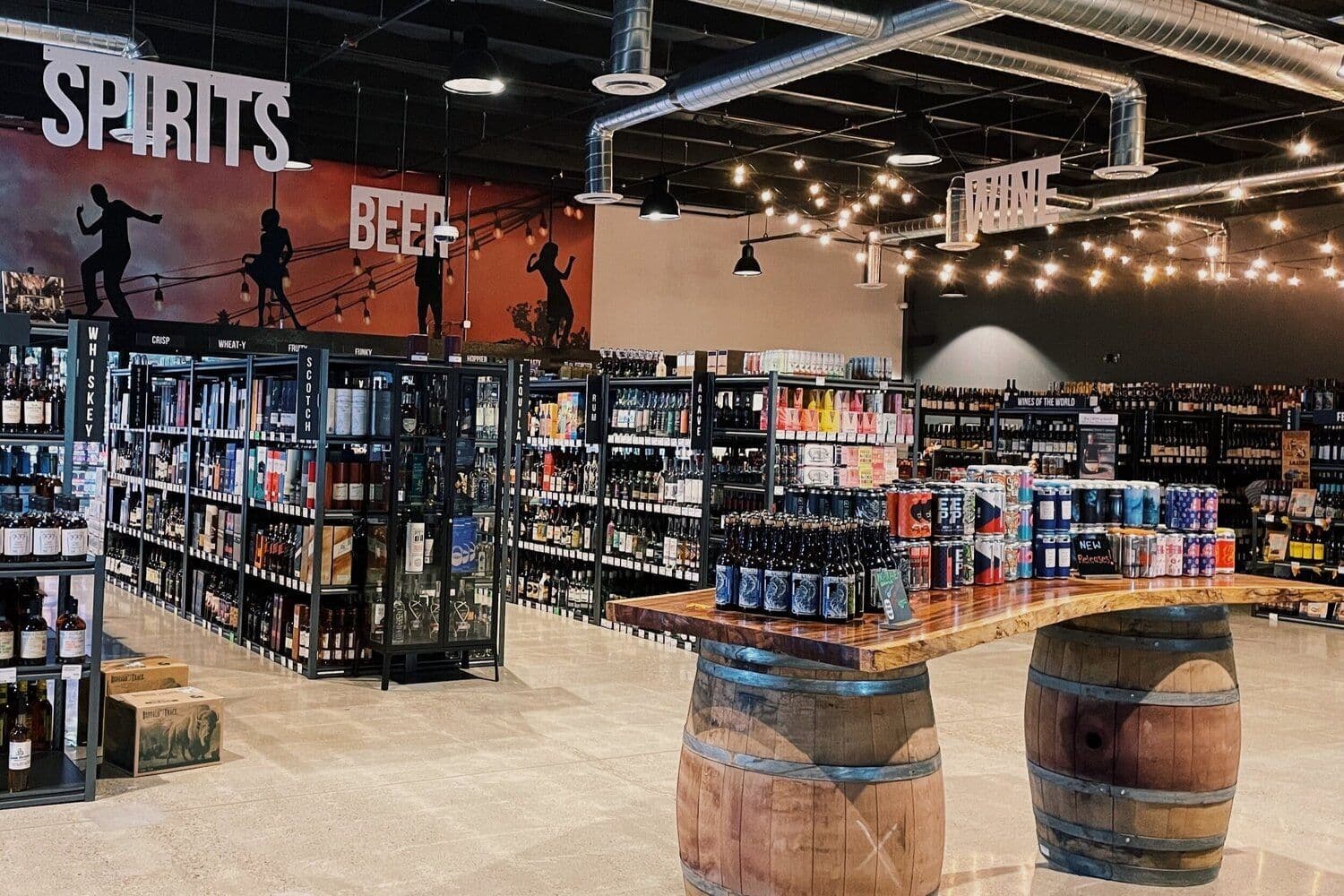
Denver, Colorado
What Property Owners Should Know
Understanding Conrad's Approach to Lighting
Property owners in Conrad should be aware that while the city maintains specific regulations for safety lighting and billboard illumination, the code excerpts reviewed do not reveal extensive general regulations for property lighting.
This streamlined approach is consistent with Conrad's small-town character and practical governance style. Property owners are encouraged to:
- Follow safety lighting requirements when conducting any work that creates obstructions in public ways
- Consider how lighting choices impact the community's historical character
- Recognize the city's support for proper business lighting through the billboard lighting fund
Safety First Approach
The emphasis on red or amber lighting for hazards demonstrates Conrad's priority on public safety. Property owners conducting any excavation or placing materials in public rights-of-way must comply with these safety lighting requirements.
Supporting Conrad's Lighting Vision
At Bock Lighting, we appreciate communities like Conrad that maintain their unique historic character while addressing practical lighting needs. As a manufacturer with roots dating back to 1918, we understand the importance of balancing tradition with modern functionality.
Conrad's railway heritage and early 20th-century architectural elements create a distinctive community character worth preserving. Thoughtful lighting plays an important role in maintaining this character while ensuring safety and visibility.
Our experience working with small communities helps us understand the unique challenges and opportunities in places like Conrad, where lighting needs to serve multiple purposes:
- Enhancing public safety
- Supporting local businesses
- Preserving historical character
- Meeting practical needs in a rural Montana setting
We're committed to serving as an educational resource for communities navigating lighting decisions, offering insights based on our understanding of both historical contexts and modern lighting technologies.

Conclusion
Conrad, Montana's lighting regulations reflect its practical approach to governance and its roots as a railway community. While limited in scope, the existing regulations address key concerns around public safety and business visibility.
The safety lighting requirements for excavations and obstructions demonstrate Conrad's commitment to protecting residents and visitors as they navigate the community. Meanwhile, the dedicated funding for billboard lighting shows support for local businesses and economic development.
These focused regulations align with Conrad's character as a small, historically-minded community that values both its heritage and its future development. As Conrad continues to evolve, these lighting standards help preserve its distinctive small-town Montana character.