Lighting Requirements in Hopkinsville, Kentucky
Lighting Regulations in Hopkinsville, Kentucky: Balancing History, Safety, and Community Character
Introduction
Hopkinsville, Kentucky, with its rich history dating back to 1797, has evolved from a settlement of Revolutionary War veterans into a vibrant community that values both its agricultural heritage and historical character. The city's original layout, centered around Main Street and what is now Center Street, continues to influence urban planning and preservation efforts today.
As with many historic communities, Hopkinsville has developed lighting regulations that reflect its commitment to maintaining community character while ensuring safety and functionality. These regulations help preserve the unique charm of this southwestern Kentucky gem while addressing modern lighting needs.
Quick Reference Guide to Hopkinsville's Lighting Requirements
Key Lighting Requirements:
- Maximum light pole height: 30 feet
- Maximum illumination: 5 foot candles average
- Light containment: All lighting must be confined to the property without casting direct light or glare onto adjacent properties
- Downward-facing requirement: Exterior lighting must be downward-facing
- Light fixtures: Must be equipped with cutoff or beveled prism types directing light to less than 90 degrees
- Parking area illumination: 1.0 foot candle average maintained illumination with 4:1 uniformity ratio
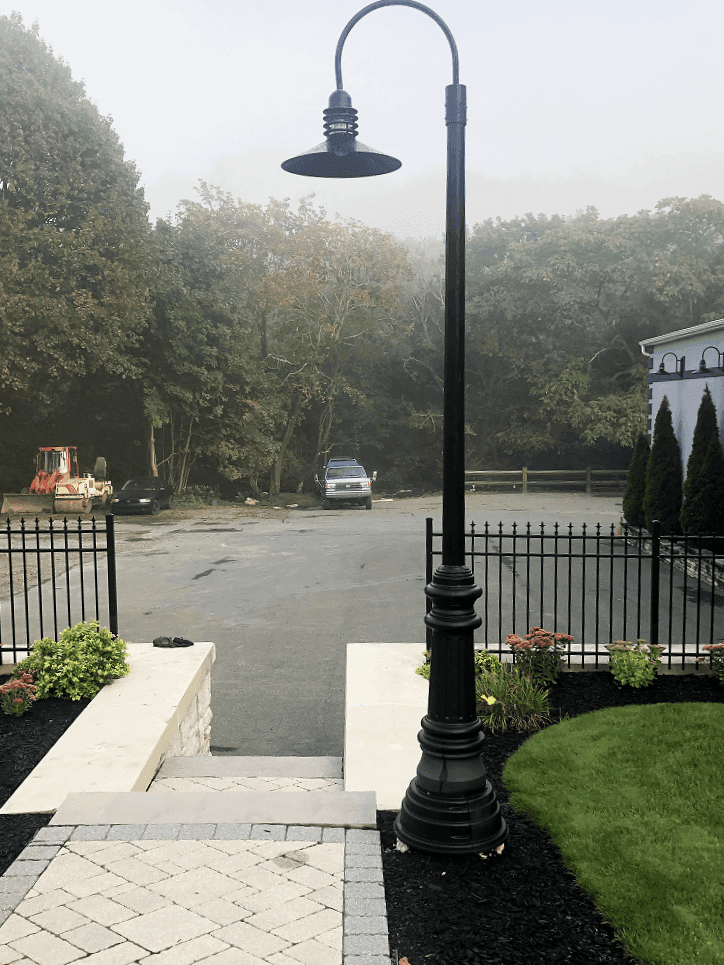
General Exterior Lighting Standards
Property Illumination Requirements
Hopkinsville's code clearly establishes that exterior lighting must be planned, erected, and maintained so that light is:
- Confined to the property
- Downward-facing
- Not casting direct light or glare upon adjacent properties or public rights-of-way
- Not visible from adjacent properties
Light Intensity and Height Restrictions
The code includes specific technical standards for exterior lighting:
- Maximum light pole height: 30 feet
- Maximum foot candle average illumination: 5 foot candles
- Uniformity ratio: 4:1 (average/minimum ratio)
Area-Specific Illumination Standards
Hopkinsville has established different lighting standards based on location and purpose:
| Area | Lamp Type | Uniformity Ratio | Average Maintained Illumination (Foot) | |------|-----------|------------------|----------------------------------------| | Parking areas | High pressure sodium | 4:1 | 1.0 | | Main pedestrian routes | Metal halide | 4:1 | 2.0 | | Architectural, landscape and signage | Metal halide | 4:1 | 5.0 |
Street Lighting Requirements
Standard Street Light Specifications
The city has established clear guidelines for street lighting:
- Standard cobra head fixtures: Maximum 250 watt high pressure sodium (or LED/alternate source equivalent)
- Standard decorative fixtures:
- Maximum 150 watt high pressure sodium (or LED/alternate source equivalent)
- 120-volt open globe
- Affixed to 20-foot direct buried black or gray fiberglass pole
Location and Installation Requirements
Street light positioning must follow these guidelines:
- Minimum setback: 3 feet from the edge of the curb
- Consistency: Only one type of light fixture allowed per subdivision
- Placement restrictions:
- No light pole may obstruct frontal visibility of a dwelling unit
- No street light pole or base in the shoulder or ditch line of the street
Public Infrastructure Management
The code specifies that:
- Street lighting designs must be created by Hopkinsville Electric System or Pennyrile Rural Electric Cooperative
- Each light must be on its own separate photocell (relays are not permitted)
- Developers/owners must provide and install conduit as required by utility providers
- Decorative street lighting systems may only be installed with underground electrical primary systems
.jpg&w=3840&q=75)
.jpg&w=3840&q=75)
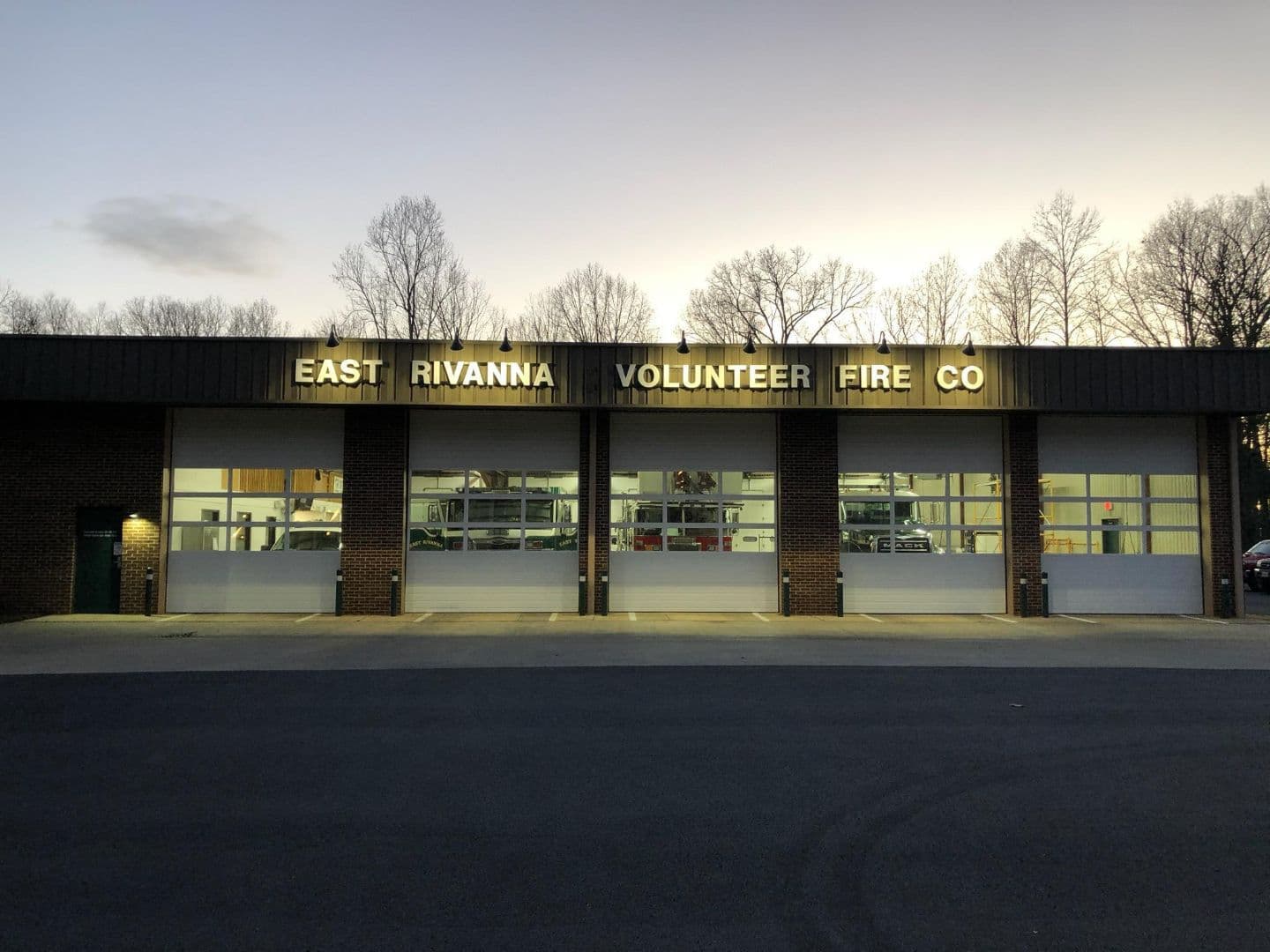
East Rivanna Volunteer Fire Co.
Keswick, Virginia
Building-Specific Lighting Requirements
Interior Common Area Illumination
The code establishes minimum lighting requirements for building interiors:
- Common halls and stairways in multi-family buildings:
- Minimum 60-watt standard incandescent light bulb per 200 square feet
- Maximum spacing between lights of 30 feet
- Must be lighted at all times
- Means of egress in non-residential buildings:
- Minimum 1 footcandle illumination at floors, landings and treads
- Must be illuminated whenever the building is occupied
- Required fixtures: Every public hall, interior stairway, toilet room, kitchen, bathroom, laundry room, boiler room and furnace room must contain at least one electric light fixture
Special Use Lighting Requirements
Sexually Oriented Businesses
The code requires:
- Minimum illumination: 1 footcandle at floor level in all public areas
- Constant lighting: This intensity must be maintained at all times the premises are open
Solar Energy Systems
For these installations, the code stipulates:
- No illumination: Integrated and rooftop Solar Energy Systems shall not be illuminated
- Glare prevention: Must be designed to prevent off-site glare
- Ground mounted systems: Lighting limited to minimum necessary for safe operation, must be directed downward with full cut-off features
Construction and Safety Lighting
For construction projects, the code requires:
- Excavation safety: Sufficient and proper barricades and lights for excavations
- Nuisance prevention: Appropriate measures to reduce glare and other nuisances during construction
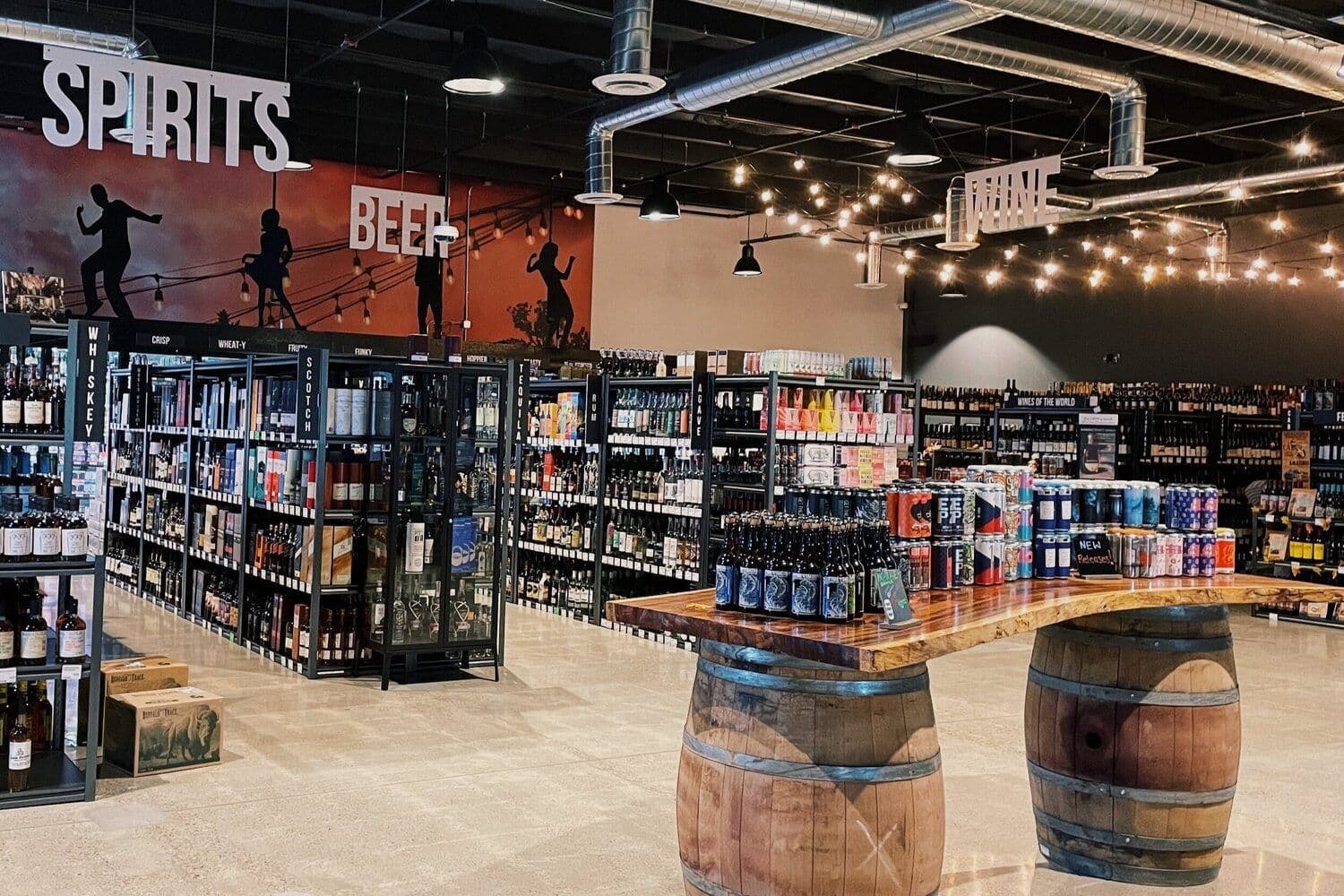
Denver, Colorado
Sign Illumination Guidelines
Permitted Illumination
The code allows for illuminated signage with specific limitations:
- General permission: Signs may be illuminated except where specifically prohibited
- Home occupations: Signs for home occupations must be non-illuminated
- White light requirement: Only non-intermittent white lighting of signs is permitted
Prohibited Sign Lighting
The following sign lighting is not allowed:
- Traffic signal resemblance: Signs involving lighting resembling traffic signals
- Beacons/spotlights: Lights with beams directed into the atmosphere or at points not on the same lot
- Nuisance lighting: No sign may create a nuisance due to excessive light, glare, flashing, or animation
What Property Owners Should Know
Planning Your Lighting Design
When developing a lighting plan, property owners should include:
- Complete lighting layout plan
- Light fixture elevations
- Lamp types
- Uniformity ratios
- Average maintained illumination in foot candles
- Professional certification that the design meets guidelines
Buffer Zone Requirements
In certain zoning districts:
- Buffer zones: No street lights, signage, or other lighting is permitted in required buffer areas between different district types
- Landscape easements: No light fixtures may be placed in required landscape easements
Airport Vicinity Considerations
If your property is near the airport:
- Lights must be arranged not to be misleading or dangerous to aircraft
- No use within three miles of a useable runway may produce glare or other visual hazards
Supporting Hopkinsville's Lighting Vision
Bock Lighting, with roots dating back to 1918 in Northeast Ohio, understands the unique balance that historic communities like Hopkinsville strive to achieve. We appreciate the city's commitment to preserving its agricultural heritage and historic character while implementing practical lighting solutions.
Our expertise in architectural lighting aligns with Hopkinsville's values of maintaining community character while ensuring safety and functionality. We understand the technical requirements specified in the city's code and can serve as a resource for property owners navigating these regulations.
As a company with deep experience in communities that value their historical identity, we recognize the importance of Hopkinsville's approach to development that emphasizes both preservation and enhancement of community spaces. Our commitment to sustainable and responsible lighting practices mirrors the thoughtful approach evident in Hopkinsville's regulations.
Conclusion
Hopkinsville's lighting regulations reflect its commitment to preserving its historic character while ensuring safety and functionality. By following these requirements, property owners can contribute to maintaining the unique charm that makes Hopkinsville special.
The specific technical standards for illumination levels, fixture types, and light containment demonstrate the city's thoughtful approach to managing light pollution while providing adequate illumination for safety and usability.
Whether you're planning a commercial development, residential project, or simple property improvement, understanding these lighting regulations is essential to creating a space that enhances the community's character while meeting practical needs.