Lighting Requirements in New Palestine, Indiana
Lighting Regulations in New Palestine, Indiana: Balancing Growth and Small-Town Character
Introduction: New Palestine's Lighting Vision
New Palestine, Indiana, a charming town founded in 1838 by Jonathan Evans, has carefully managed its growth while preserving its small-town character. Once a modest settlement with just 36 lots across 15 blocks, New Palestine has evolved significantly while maintaining its historical roots.
Since 1990, the population has more than doubled as new residential developments have sprung up around the town. With this growth came the need for thoughtful regulations, including those governing exterior lighting, to maintain the town's character while ensuring safety and functionality.
The town's lighting regulations reflect New Palestine's commitment to balancing modern needs with its historical identity. These guidelines help prevent light pollution and trespass while ensuring adequate illumination for safety and security.
Quick Reference Guide to New Palestine Lighting Regulations
Key Requirements for Property Owners:
- Exterior lights over 60 watts must have opaque hood shields directing light downward
- Pool lighting must be arranged to reflect light away from streets and neighboring properties
- Parking area lighting must be shielded to prevent glare onto adjacent properties
- Bare, unshaded bulbs are prohibited for parking area illumination
- Light spillage or glare onto adjoining properties is prohibited
- Tree maintenance required when branches obstruct street lighting

Residential Property Lighting Requirements
Exterior Lighting Shields
New Palestine requires all exterior lights exceeding 60 watts to contain opaque hood shields. This requirement ensures illumination is directed downward, preventing unnecessary light pollution and reducing glare that might affect neighbors or passing motorists.
Pool Lighting Considerations
For property owners with swimming pools, special attention must be paid to lighting arrangements. The town code specifically requires that pool lights be "arranged and shaded as to reflect light away from adjoining premises and streets."
Property Maintenance Around Street Lights
Property owners must maintain trees and vegetation to prevent obstruction of street lighting. Any trees, shrubs, vines or plants adjacent to public ways must be trimmed to a clear height of at least 8 feet where branches might obstruct light from street lighting systems.
Appurtenant Features
Lamp posts are classified as "appurtenant features" alongside structures like mailboxes, bird baths, and similar items. These features can be installed without permits, making decorative lighting installation relatively straightforward for homeowners.
Commercial and Parking Area Lighting Standards
Shielding and Direction Requirements
Businesses must ensure that parking area lighting facilities are properly located, shielded, and directed. These measures prevent light reflection or glare that could affect adjacent properties or street traffic.
Prohibited Fixtures
The regulations explicitly prohibit bare, unshaded bulbs for parking area illumination. This requirement helps reduce glare and maintains a more aesthetically pleasing appearance throughout the town.
Commercial Special Uses
Many commercial special uses require Board approval for "outdoor signs and outdoor artificial lighting." This oversight ensures lighting for specialized facilities aligns with community standards.
Light Spillage Prevention
For properties along the US 52 (Main Street) Corridor Overlay Zone District, the Commission carefully considers potential light spillage or glare onto adjoining properties or streets. Down-shielding is encouraged, and spillage or glare onto neighboring properties is explicitly prohibited.


Park and Public Space Illumination
Illumination Level Requirements
Parks in New Palestine must meet specific illumination standards:
- Interior driveways and streets: 0.3 foot candles (average illumination)
- Hazardous locations (major intersections, steps, ramps): 0.6 foot candles (average illumination)
Light Containment
All exterior park lights must be located and shielded to prevent direct illumination of areas outside the park. This requirement maintains darkness in surrounding areas while ensuring park users have adequate light for safety.
Trail Lighting Considerations
For trails and pathways, security lighting should be considered at key points like trailheads, road crossings, bridges, and activity areas if conditions warrant. If implemented, lighting should maintain consistency throughout the trail system.
Street Lighting System Technical Specifications
New subdivisions must include comprehensive street lighting systems with specific technical requirements:
Placement and Illumination
- Streetlights required at all street intersections
- Maximum spacing between fixtures: 200 feet
- Required lamp: 150 watt high pressure sodium
Mounting Specifications
- Minimum mounting height: 15 feet
- Poles must be 19 feet minimum length
- Embedded 4 feet in concrete or compacted crushed stone
Pole Construction Requirements
- Black, round, hollow fiberglass with uniform taper
- Non-conductive and chemically inert
- Constructed from continuous fiberglass filaments with thermosetting polyester resin
- Minimum wall thickness of 3/32 inches
- Must remain plumb for at least 3 years after installation
Design and Aesthetics Considerations
Harmonious Design
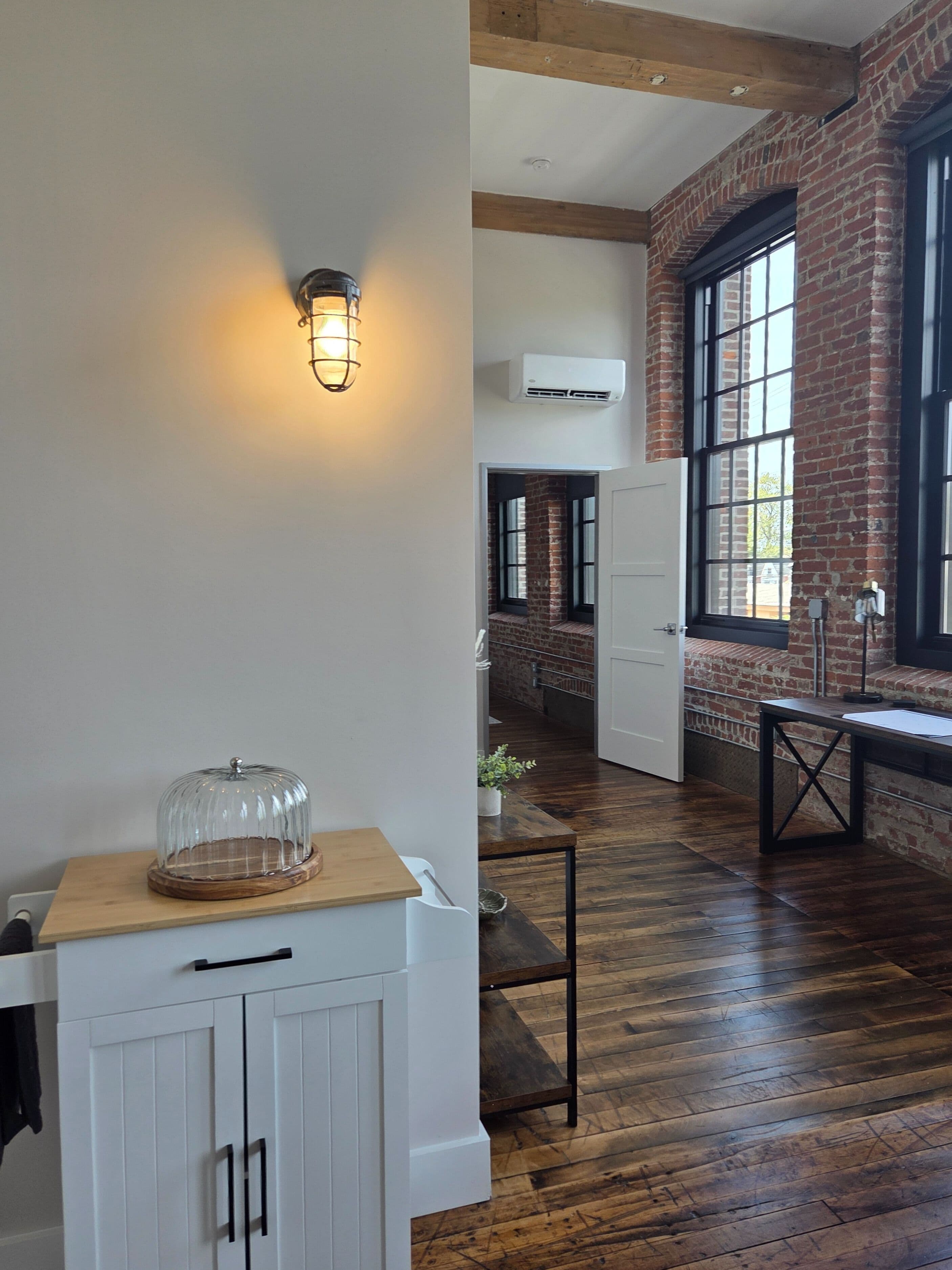
The New Palestine regulations emphasize that lighting should be "restrained and harmonious" with buildings and sites. Lighting standards and fixtures should be compatible with building design and adjacent areas.
Avoiding Excessive Brightness
Town regulations specifically note that "excessive brightness" should be avoided. This approach helps maintain the small-town feel while still providing adequate illumination for safety and navigation.
Commission Review Process
For developments in specific zones, the Commission reviews lighting plans with consideration for:
- Safety and security provided by lighting
- Attractiveness of lighting standards
- Compatibility with the overall treatment of the property
- Height and placement of lighting standards
What Property Owners Should Know
Compliance Benefits
Following New Palestine's lighting regulations helps maintain property values throughout the community while ensuring safety and security. Proper lighting design enhances visibility while respecting neighbors' right to enjoy their property without light intrusion.
Planning for Projects
When planning outdoor lighting projects, property owners should: 1. Consider shield requirements for fixtures over 60 watts 2. Direct all lighting away from neighboring properties 3. Choose fixtures that complement architectural styles 4. Avoid excessive brightness or bare bulbs 5. Maintain trees and vegetation to prevent obstruction of street lighting
Approval Requirements
Many outdoor lighting installations require approval from the Board or Commission. Before implementing significant outdoor lighting systems, check with the town to determine if your project requires review.
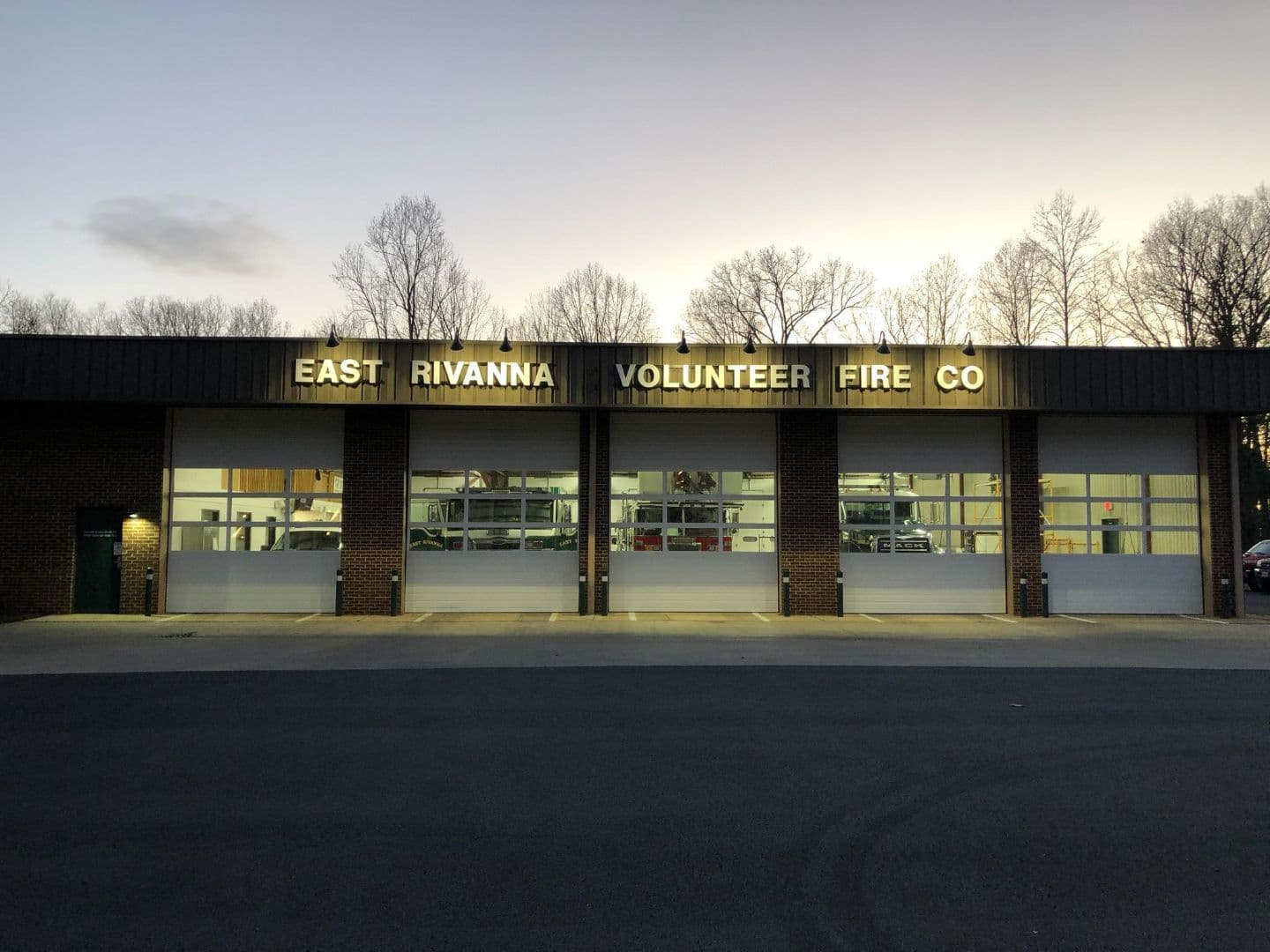
East Rivanna Volunteer Fire Co.
Keswick, Virginia
.jpg&w=3840&q=75&dpl=dpl_7PSTy8pd5VgiMGpSgiVyXtfcx5xA)
Supporting New Palestine's Lighting Vision
Bock Lighting, a manufacturer with roots dating back to 1918, understands the importance of balancing modern lighting needs with community character in towns like New Palestine. As the town continues to grow while preserving its small-town charm, thoughtful lighting plays a crucial role.
With experience in communities that value both heritage and progress, Bock appreciates New Palestine's approach to lighting regulations that prevent light pollution while ensuring adequate illumination. The company's expertise aligns with New Palestine's focus on directing light properly, using appropriate shielding, and creating harmonious lighting designs.
Bock's understanding of regional architectural styles and lighting needs makes it a valuable resource for communities seeking to maintain their distinctive character through appropriate lighting choices. The company's commitment to sustainable and responsible lighting practices supports New Palestine's vision for controlled growth and community enhancement.
Conclusion
New Palestine's lighting regulations reflect the town's commitment to managing growth while preserving its small-town atmosphere. By implementing thoughtful lighting standards, the community ensures that development enhances rather than detracts from the town's character.
For property owners, understanding and following these regulations helps contribute to a more attractive, safe, and cohesive community environment. As New Palestine continues to grow from its historical roots laid by Jonathan Evans in 1838, these lighting guidelines will help ensure that development respects both the past and future of this vibrant Indiana town.