Lighting Requirements in Marquette, Nebraska
Lighting Regulations in Marquette, Nebraska: Simplicity Reflects Rural Character
Introduction
Nestled in Hamilton County, the village of Marquette, Nebraska exemplifies the quiet charm of rural Midwestern communities. Founded in 1882 during the expansion of the railroad system, this small village of approximately 229 residents has maintained its agricultural roots and community-focused values throughout its history.
Unlike larger municipalities with extensive lighting codes, Marquette's approach to lighting regulations reflects its practical, rural character. The village's regulations prioritize functionality and community needs while maintaining the natural darkness that has long been part of agricultural communities across the Midwest.
Quick Reference Guide
Based on Marquette's municipal code, here are the key lighting-related regulations:
- Tree maintenance: Property owners must ensure trees don't interfere with street lighting
- Authority: The Board of Trustees has authority to construct lighting systems
- Electrical interference: Filtering attachments required on electrical apparatus to prevent interference with power systems
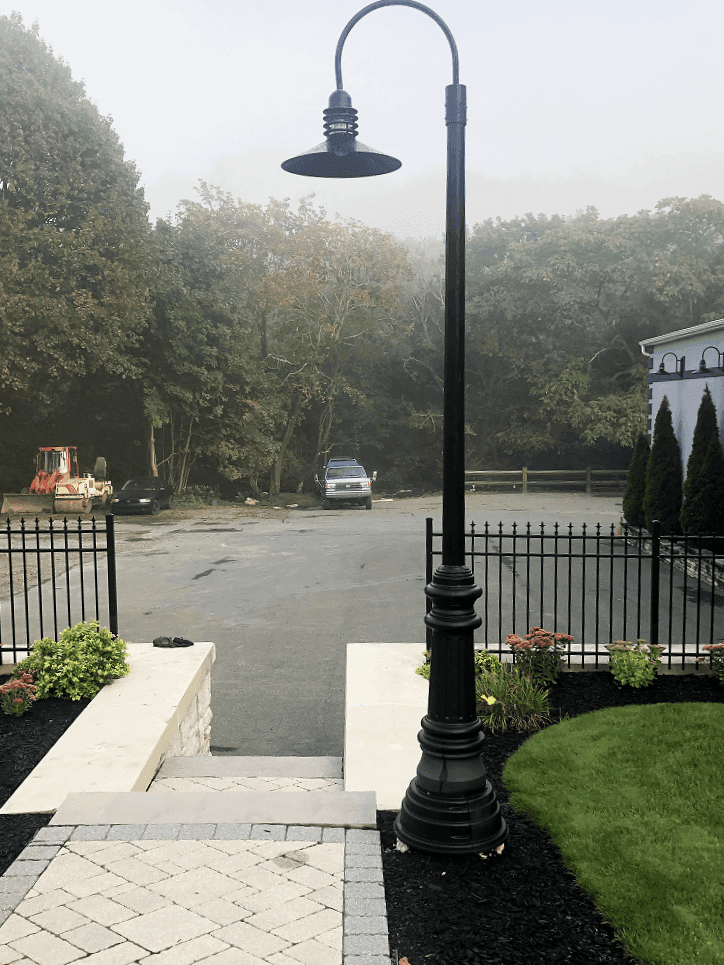
Tree Maintenance and Street Lighting
Keeping Lights Visible
One of Marquette's few specific lighting regulations addresses the relationship between vegetation and street lighting.
§ 92.13 (B) stipulates that tree branches or limbs should not "interfere with the lighting of the street from street lights." This practical requirement ensures that the village's street lighting functions effectively for public safety.
Enforcement Authority
The village may take action against property owners or occupants who allow trees to block street lights. This reflects Marquette's community-based approach to maintaining public infrastructure through shared responsibility.
Practical Implications for Property Owners
If you own property in Marquette with trees near street lights, regular pruning is essential to comply with this regulation. Maintaining clear sightlines to street lights helps ensure safety for all residents and visitors.
Village Authority for Lighting Systems
Construction Authority
The municipal code clearly establishes that the Board of Trustees may construct lighting systems. This straightforward provision grants village leadership the authority to develop and implement lighting infrastructure as needed for the community.
Community Planning Implications
This authority allows Marquette to adapt its lighting infrastructure to meet the changing needs of the community while maintaining its rural character. As a small village with limited resources, having clear authority for infrastructure development is essential.

.jpg&w=3840&q=75)
Electrical Interference Regulations
Required Filtering Equipment
§ 130.03 addresses electrical interference, requiring proper filtering attachments on motors, signs, or other electrical apparatus connected to the light and power system.
Medical Equipment Exception
The code includes a thoughtful exception for necessary medical equipment where electrical interference cannot be reasonably and safely eliminated, balancing technical requirements with human needs.
Why This Matters
This regulation helps maintain the integrity of the village's electrical grid while minimizing disruptions that could affect lighting throughout the community. For rural communities where power infrastructure may be more vulnerable, preventing interference is particularly important.
Understanding Marquette's Approach to Lighting
Agricultural Considerations
Marquette's minimal lighting regulations align with its agricultural heritage. Excessive artificial lighting can disrupt farming operations, livestock, and the natural day/night cycles that have guided agricultural activities for generations.
Practical Rural Values
The village's approach to lighting reflects the practical, functionality-focused values typical of rural Nebraska communities. Rather than implementing complex lighting specifications, Marquette focuses on basic requirements that support community needs.
Preserving Rural Night Skies
Limited lighting regulations also help preserve the natural darkness of rural night skies, an increasingly rare resource in our illuminated world. This natural darkness is both part of Marquette's heritage and a valuable asset for community character.

What Property Owners Should Know
Focus on Functionality
When installing lighting on your property in Marquette, focus on functionality rather than elaborate designs. The village's approach suggests a preference for practical lighting that serves specific purposes.
Neighborly Considerations
While specific light trespass regulations aren't codified, the community-oriented nature of small villages like Marquette suggests considering how your lighting choices might affect neighbors.
Electrical Compliance
Remember to ensure any lighting with electrical components includes proper filtering to prevent interference with the village's power system, as required by municipal code.
Supporting Marquette's Lighting Approach
Understanding Community Needs
Lighting manufacturers who serve communities like Marquette understand the importance of balancing modern lighting needs with rural values and agricultural considerations.
Preserving Rural Character
Companies experienced in rural lighting applications recognize that effective lighting in villages like Marquette doesn't mean urban-style illumination. Instead, thoughtful lighting respects the community's connection to the natural cycles of day and night.
Resources for Compliance
Lighting providers can serve as resources for understanding how to meet Marquette's requirements while respecting its rural character. This includes guidance on preventing electrical interference and ensuring lighting doesn't create problems for neighbors or agricultural operations.
Valuing Simplicity
The best lighting partners value the simplicity and practicality that characterize Marquette's approach to community development, offering solutions that enhance safety and functionality without unnecessary complexity.
Conclusion
Marquette's lighting regulations reflect its identity as a small, rural Midwestern community with deep agricultural roots. Rather than extensive technical specifications, the village focuses on practical concerns: maintaining street light visibility, preventing electrical interference, and establishing clear authority for lighting infrastructure development.
For property owners and residents, understanding these straightforward regulations helps maintain Marquette's rural character while ensuring lighting serves its essential functions for community safety and convenience. The village's approach demonstrates how lighting regulations can reflect community values and historical context, even in their simplicity.