Lighting Requirements in Los Angeles County Metropolitan Transportation Authority, California
Lighting Considerations for Los Angeles County Metropolitan Transportation Authority: Understanding Transit Lighting Principles
Introduction
Los Angeles, with its rich architectural heritage dating back to its founding in 1781, has evolved into a sprawling metropolis that balances historic preservation with modern urban development. The Los Angeles County Metropolitan Transportation Authority (Metro), established in 1993 through the merger of two transit agencies, plays a pivotal role in this balance by providing sustainable transportation options across the region's diverse neighborhoods.
While our research did not uncover specific lighting regulations in the provided Metro building code extracts, understanding general lighting principles for public transportation systems remains valuable for contractors, property owners, and community members interested in Metro-adjacent developments or transit-oriented projects.
Quick Reference Guide
- Metro was established in 1993 by merging the Southern California Rapid Transit District and the Los Angeles County Transportation Commission
- Los Angeles County has a population exceeding 10 million people with diverse transportation needs
- Metro's mission supports sustainability, innovation, and cultural preservation
- The agency provides a comprehensive network of buses and rail lines across the county
- LA Metro emphasizes reducing reliance on cars and supporting environmental goals

The Importance of Lighting in Public Transit Systems
Safety and Security Priorities
Effective lighting in transit systems typically prioritizes passenger safety and security. Well-lit stations, platforms, and walkways help prevent accidents and create environments where passengers feel secure, especially during evening hours.
Visibility and Wayfinding
Proper illumination plays a crucial role in helping riders navigate transit facilities. Strategic lighting placement assists with wayfinding, highlighting important areas like entrances, exits, ticket machines, and platform edges.
Accessibility Considerations
Inclusive lighting design ensures that transit facilities are accessible to all users, including those with visual impairments. Consistent illumination levels at transition points between different areas help prevent disorientation.
General Transit Lighting Principles
Balance Between Function and Aesthetics
Transit agencies often seek a balance between functional lighting that meets safety requirements and aesthetic considerations that create pleasant public spaces. This dual approach supports both practical needs and community character.
Energy Efficiency Goals
Many transit authorities implement energy-efficient lighting technologies to reduce operational costs and environmental impact. LED fixtures, smart controls, and photocells are common features in modern transit lighting systems.
Integration with Architecture
Lighting design typically complements architectural elements, highlighting distinctive features while maintaining functional illumination. This integration helps create a sense of place within the transit network.
.jpg&w=3840&q=75&dpl=dpl_87jr9wPPDTxFknoCx3BuR7xdLkEg)
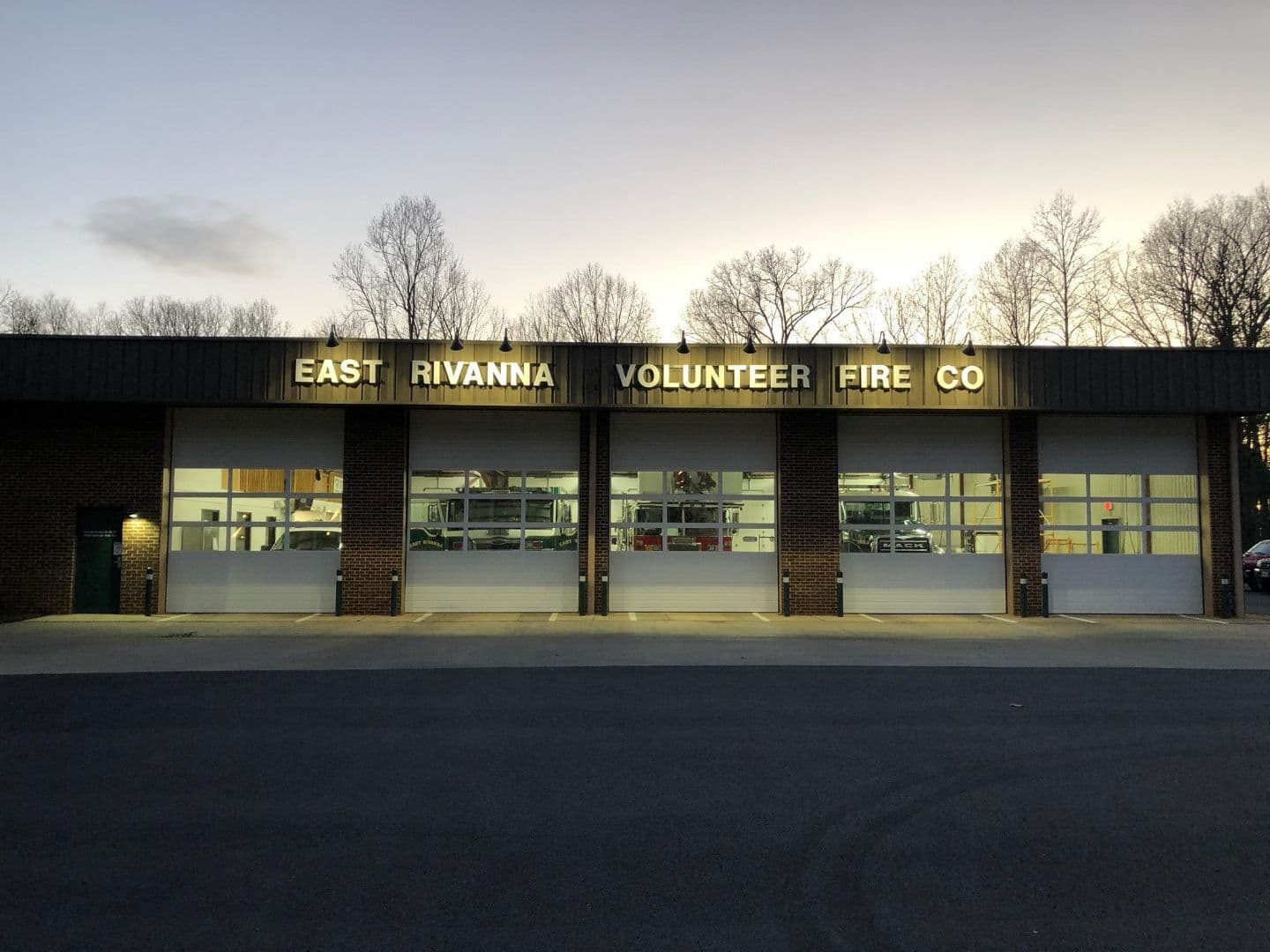
East Rivanna Volunteer Fire Co.
Keswick, Virginia
What Property Owners Should Know
Transit-Adjacent Development
Property owners developing sites near Metro facilities should consider how their lighting interfaces with transit areas. Thoughtful integration can create cohesive experiences for pedestrians moving between public and private spaces.
Community Context Sensitivity
Understanding the character of surrounding neighborhoods helps inform appropriate lighting choices. Los Angeles' diverse architectural styles may influence lighting approaches across different areas served by Metro.
Sustainable Practices
Property owners can align with Metro's sustainability values by implementing energy-efficient lighting solutions that reduce light pollution and minimize environmental impact.
Coordination with Transit Authority
For developments adjacent to Metro properties, early coordination regarding lighting plans can help ensure compatible approaches that benefit both the development and transit users.
Supporting Los Angeles Metro's Vision
Bock Lighting's Community-Focused Approach
As a manufacturer with roots dating back to 1918, Bock Lighting understands the importance of balancing modern technology with respect for community character. Though based in Northeast Ohio, Bock appreciates Los Angeles Metro's commitment to sustainability and innovation in public transportation.
Shared Values in Public Space Enhancement
Bock Lighting shares Metro's commitment to creating safe, functional, and aesthetically pleasing public spaces. By focusing on lighting solutions that enhance both functionality and character, Bock aligns with Metro's approach to balancing practical needs with community values.
Education and Resources
Beyond manufacturing, Bock serves as an educational resource for communities seeking to understand lighting principles for public spaces. This knowledge-sharing approach supports informed decision-making about lighting in transit-adjacent developments.
Regional Understanding
Bock's experience with diverse architectural styles and regional considerations enables a nuanced approach to lighting that respects Los Angeles' unique character and preservation goals while meeting modern transportation needs.

Conclusion
While specific Metro lighting regulations were not identified in our research, understanding general principles of transit lighting can help property owners, developers, and community members engage meaningfully with transit-oriented development in Los Angeles County.
Metro's commitment to sustainability, innovation, and cultural preservation shapes its approach to all aspects of its operations, including the illumination of its facilities and surrounding areas. By considering how lighting contributes to safety, accessibility, and community character, stakeholders can better align with Metro's vision for Los Angeles County's transportation future.
For those interested in learning more about transit lighting principles or engaging with Metro on development projects, the Metro website offers resources and contact information for various departments and initiatives related to transportation planning and community development.