Lighting Requirements in Dearborn County, Indiana
Lighting Regulations in Dearborn County, Indiana: Preserving Historical Character While Meeting Modern Needs
Introduction
Established in 1803 and named after Revolutionary War hero Dr. Henry Dearborn, Dearborn County stands as a testament to Indiana's rich architectural heritage. From the historic county seat of Lawrenceburg, founded in 1802, to the various structures showcasing Federal, Greek Revival, Queen Anne, and Bungalow styles, the county has carefully balanced preservation with progress over two centuries.
Lighting regulations in Dearborn County reflect this balance - designed to maintain the aesthetic integrity of historical structures while ensuring safety and functionality for residents and businesses. Understanding these regulations helps property owners contribute to the county's commitment to preserving its unique character while meeting contemporary needs.
Quick Reference Guide: Key Lighting Requirements
- Minimum Illumination for Commercial Premises: Not less than two foot candles at floor level
- Parking Areas for Specific Businesses: Average maintained horizontal illumination of one foot candle
- House Number Placement: May be attached to outside lights for visibility
- House Number Specifications: Minimum three inches in height, must contrast with background, reflective materials discouraged
- Accessible Controls: Light switches must be in accessible locations in multi-family dwellings
.jpg&w=3840&q=75)
Charlotte, North Carolina
Commercial Premises Lighting Requirements
Basic Illumination Standards
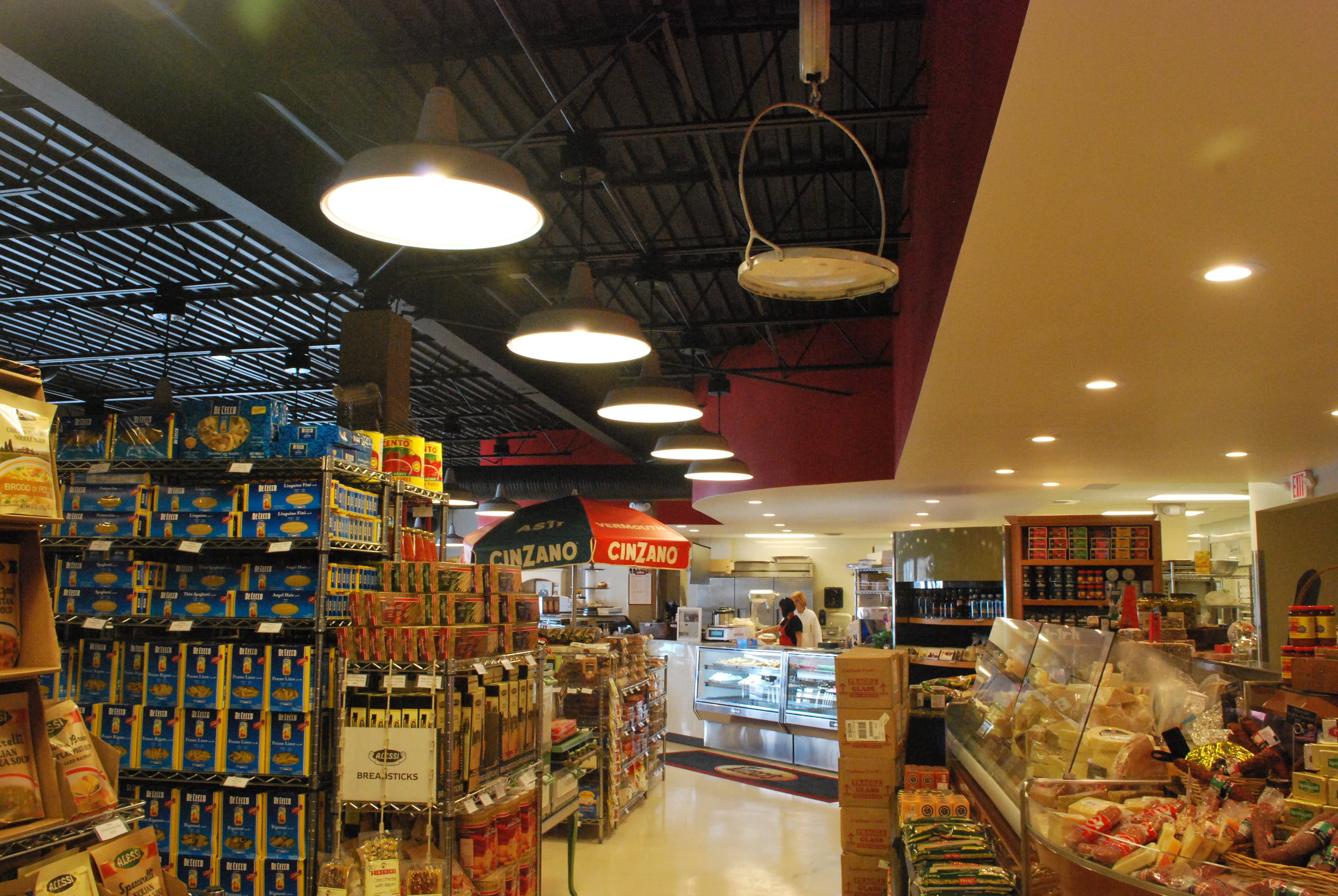
Commercial premises in Dearborn County must maintain adequate lighting for patron safety. The regulations specifically require:
- Minimum Illumination Level: Not less than two foot candles measured at floor level
- Coverage Requirement: Sufficient overhead lighting to illuminate every area accessible to patrons
- Maintenance Responsibility: Property owners, operators, and employees must ensure proper illumination whenever patrons are present
Why These Standards Matter
These requirements reflect Dearborn County's commitment to both safety and practicality. Proper illumination prevents accidents while allowing visitors to appreciate the architectural details that make the county's commercial spaces unique.
Special Business Category Requirements
Parking Area Illumination
Certain businesses have additional lighting requirements for their exterior areas:
- Illumination Level: Average maintained horizontal illumination of one foot candle on parking surfaces and walkways
- Operating Hours: Lighting must be maintained from dusk until closing
- Documentation: Lighting plans must be included in premise sketches or diagrams submitted for approval
Safety-Focused Design
These regulations are explicitly designed to:
- Enhance personal safety for patrons and employees
- Reduce the incidence of vandalism and criminal conduct
- Ensure clear visibility in exterior areas


Residential Lighting Considerations
House Number Visibility
While Dearborn County doesn't mandate specific residential lighting fixtures, regulations concerning house numbers interface with lighting considerations:
- House numbers may be displayed on outside lights or other prominent places
- Numbers must be a minimum of three inches tall
- Materials must be durable and weatherproof
- Numbers must contrast with their background for visibility
- Reflective materials are discouraged as they cannot be distinguished when illuminated directly
Multi-Family Dwelling Requirements
For covered multiple-family dwellings, regulations specify:
- Light switches must be installed in accessible locations
- This requirement is part of broader accessibility standards for environmental controls
Historical Context and Lighting Philosophy
Preserving Architectural Heritage
Dearborn County's approach to lighting reflects its commitment to preserving structures dating from the early 19th to early 20th centuries. The lighting regulations aim to:
- Maintain the visual integrity of historic buildings
- Provide necessary illumination without overwhelming architectural details
- Balance modern safety requirements with historical aesthetics
Community Values
The county's geographic location along the Ohio River and its rich architectural heritage have shaped its lighting approach. Regulations seek to support:
- Historical preservation efforts
- Community safety
- The distinctive visual character that makes Dearborn County unique
What Property Owners Should Know
Compliance Considerations
Property owners should review the following when planning lighting installations:
- Commercial spaces must meet minimum illumination standards
- Specific businesses have additional parking area lighting requirements
- Residential properties should consider how lighting affects house number visibility
- Multi-family dwellings must incorporate accessible light switches
Planning for Both Function and Aesthetics
When designing lighting for properties in Dearborn County, consider:
- How lighting will complement the architectural style of your building
- Whether illumination levels meet minimum requirements
- The visibility of essential features like house numbers
- The impact of your lighting on the overall neighborhood aesthetic
Supporting Dearborn County's Lighting Vision
Bock Lighting, with roots dating back to 1918, understands the importance of balancing modern lighting needs with historical preservation. Though based in Northeast Ohio, Bock shares Dearborn County's commitment to maintaining architectural integrity while providing appropriate illumination.
Our experience working with communities that value their historical character allows us to appreciate Dearborn County's approach to lighting regulations. We understand how proper lighting can enhance safety while respecting the Federal, Greek Revival, Queen Anne, and Bungalow architectural styles that make the county distinctive.
As communities like Dearborn County work to preserve their heritage, having resources that understand both historical context and modern lighting technology becomes invaluable. Bock Lighting remains committed to supporting communities in their efforts to implement lighting solutions that respect local regulations and enhance community character.
Conclusion
Dearborn County's lighting regulations reflect its dual commitment to preserving historical character while ensuring safety and functionality. Though limited in scope, the existing regulations establish clear standards for commercial spaces and specific considerations for residential properties.
Property owners who understand and embrace these regulations contribute to maintaining the county's unique architectural heritage while creating appropriately lit environments for residents and visitors. By balancing preservation with practical needs, Dearborn County continues its tradition of respecting the past while accommodating the present.
Whether you're a business owner ensuring proper illumination for patrons or a homeowner considering how outside lighting affects house number visibility, these regulations provide a framework for contributing positively to Dearborn County's distinctive character.