Lighting Requirements in Bison South, Dakota
Lighting Regulations in Bison, South Dakota: Preserving Rural Heritage Through Minimal Lighting Oversight
Introduction
The small town of Bison, South Dakota, nestled in the heart of the Great Plains, carries a rich historical legacy dating back to its establishment in the early 20th century. Named after the iconic American bison that once roamed these plains in vast numbers, this community has maintained its commitment to preserving both its rural character and historical roots.
Unlike many modern municipalities with extensive lighting codes, Bison takes a notably minimal approach to lighting regulations. This approach aligns perfectly with the town's values of maintaining its rural charm and protecting the magnificent night skies that have been visible from this region for centuries.
Quick Reference Guide
- Limited Formal Lighting Regulations: Bison's municipal code contains few specific lighting ordinances
- Tree Maintenance Requirements: Property owners must prune trees to prevent obstruction of street lights
- Minimum clearance: 8 feet of clear space required above streets and sidewalks
- Town Authority: The town has the right to prune trees on private property that interfere with street lighting

Bison's Approach to Lighting Oversight
Historical Context
Bison's establishment coincided with the westward expansion of settlers seeking to establish agricultural communities across the Great Plains. During this period, the natural darkness of night was highly valued, both for the visibility of stars that aided in navigation and for the connection to the natural rhythms of rural life.
Preserving the Night Sky
The town's minimal approach to lighting regulation reflects its ongoing commitment to preserving the rural night sky experience. With limited light pollution controls, Bison maintains a connection to its historical roots when the brilliant canvas of stars served as both timekeeper and cultural touchstone for the region's inhabitants.
Community Values
The town's cautious approach to development, including lighting, speaks to a community that treasures its historical integrity. This preservation mindset benefits current residents while honoring the town's unique heritage and connection to the natural environment of the Great Plains.
Tree Maintenance Requirements
Street Light Protection
According to § 150.22 of the town code, property owners must ensure trees do not obstruct light from street lamps. This simple requirement helps maintain safety and visibility throughout the town while allowing for minimal artificial lighting infrastructure.
Specific Clearance Standards
The code specifically requires:
- Minimum 8-foot clearance above streets and sidewalks
- Pruning of branches that might obstruct street lamp light
- Maintenance of visibility for traffic control devices and signs
Town Authority
The town maintains the right to prune trees or shrubs on private property when they:
- Interfere with proper spread of light from street lights
- Block visibility of traffic control devices or signs
This measured approach allows the town to ensure public safety while minimizing intrusive regulations.
.jpg&w=3840&q=75&dpl=dpl_6kKC3Tuq5JtKEvKnJLk4FTKWJrSd)
.jpg&w=3840&q=75&dpl=dpl_6kKC3Tuq5JtKEvKnJLk4FTKWJrSd)
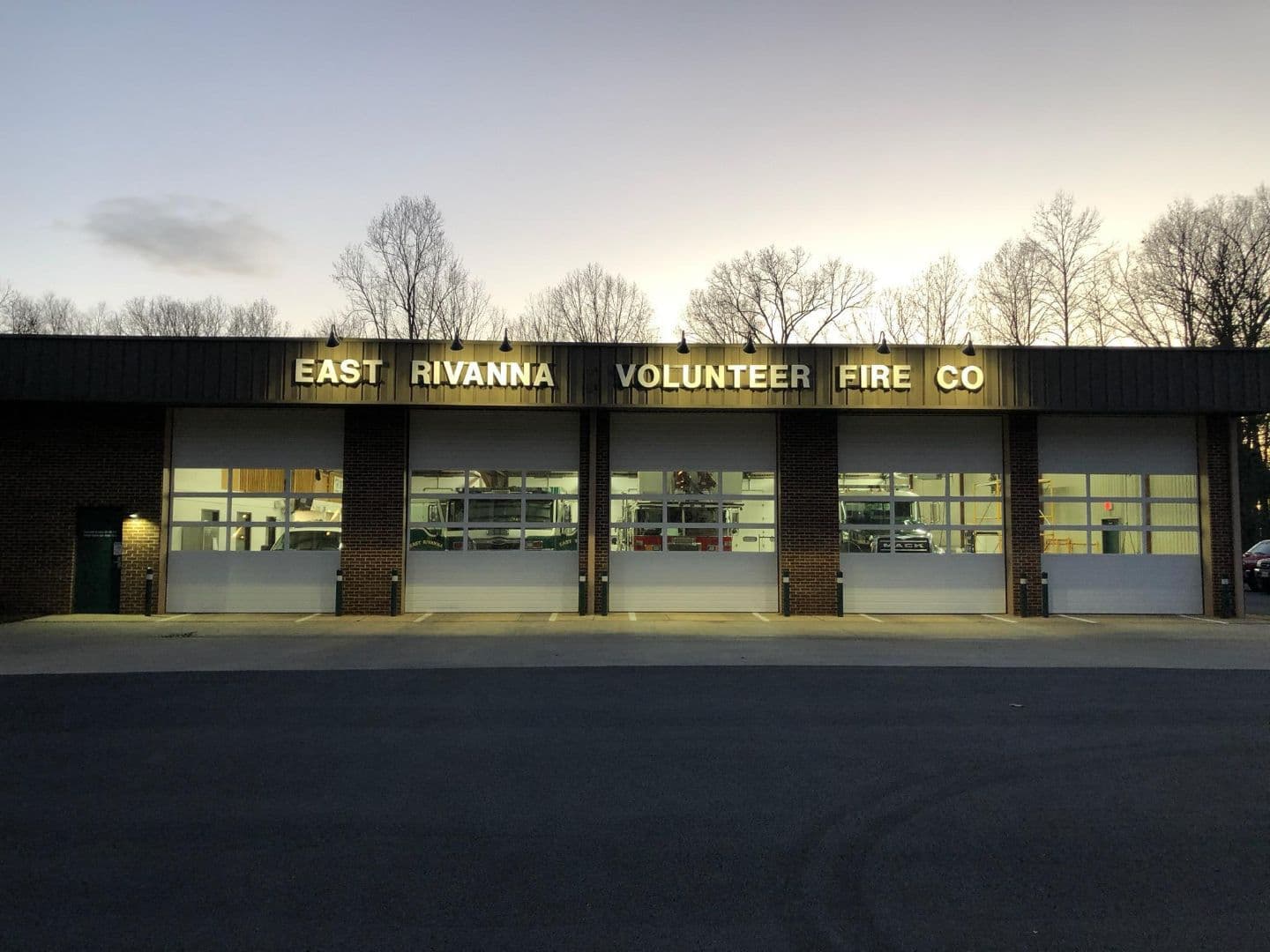
East Rivanna Volunteer Fire Co.
Keswick, Virginia
What Property Owners Should Know
Practical Compliance
For Bison property owners, compliance with lighting-related regulations primarily means maintaining trees and shrubs to avoid obstructing existing street lights. Regular pruning and monitoring of vegetation growth near public rights-of-way helps ensure compliance.
Focus on Minimal Intervention
The limited nature of lighting regulations in Bison reflects the town's preference for minimal government intervention. Property owners enjoy considerable freedom in their lighting choices, which comes with the implicit responsibility to respect the town's rural character.
Respecting Night Sky Preservation
While formal dark sky regulations aren't explicitly codified, property owners can support Bison's evident values by:
- Using subdued outdoor lighting
- Directing light downward rather than toward the sky
- Limiting unnecessary outdoor illumination
- Considering motion-sensor lighting rather than constant illumination
Supporting Bison's Lighting Vision
At Bock Lighting, we understand and appreciate communities like Bison that prioritize their historical character and natural heritage. Our century of lighting experience has taught us the importance of respecting each community's unique approach to illumination.
Understanding Rural Heritage
With roots dating back to 1918, we share Bison's appreciation for historical preservation. We recognize that minimal lighting oversight can be an intentional choice that honors the community's rural legacy and night sky heritage.
Community-Aligned Solutions
Our team appreciates Bison's balance between necessary safety illumination and preserving the natural darkness that has defined the Great Plains for generations. This balance reflects a thoughtful approach to community planning that respects historical context.
Educational Resources
We believe in empowering communities with information about lighting best practices that complement local values. For towns like Bison with minimal formal regulations, we can serve as a resource for property owners seeking to make lighting choices aligned with community character.
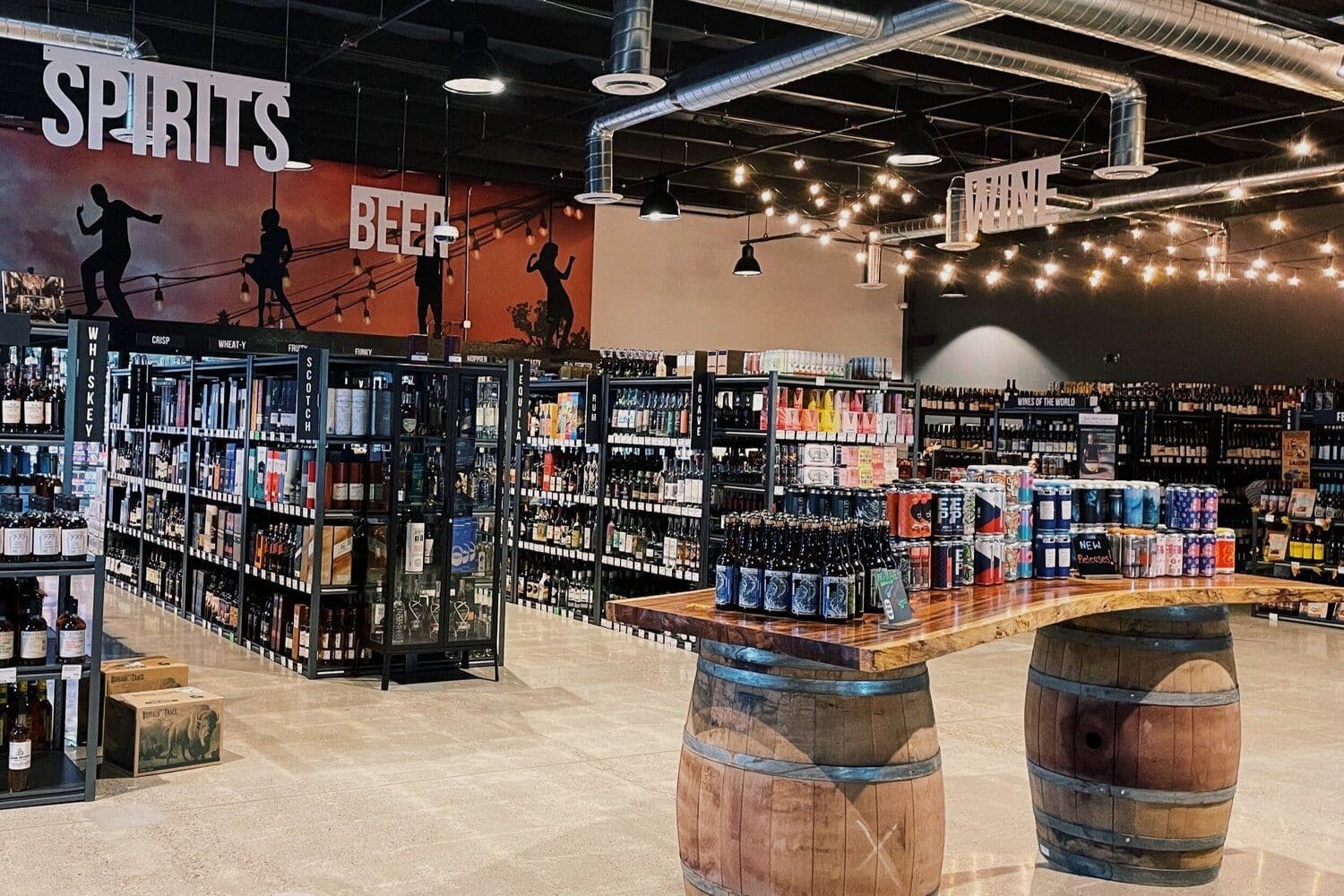
Denver, Colorado
Conclusion
Bison, South Dakota's approach to lighting regulation is refreshingly simple, focusing primarily on ensuring street lights remain unobstructed by vegetation. This minimal regulatory framework aligns perfectly with the town's historical character and apparent commitment to preserving its rural heritage.
For property owners and visitors alike, the limited formal lighting requirements reflect a community that values its connection to the natural world, including the magnificent night skies that have illuminated the Great Plains for centuries.
This preservation-minded approach to lighting helps Bison maintain its unique character as a small town with deep historical roots in South Dakota's agricultural heritage. By focusing on safety without imposing extensive regulations, Bison demonstrates how communities can honor their past while providing for present needs.