Lighting Requirements in Shoshone County, Idaho
Lighting Regulations in Shoshone County, Idaho: Preserving the Silver Valley's Historic Character
Introduction
Nestled in the mountains of northern Idaho, Shoshone County—known affectionately as the "Silver Valley"—has a rich mining heritage dating back to the 1860s. This storied past, characterized by silver, lead, and zinc mining operations, has shaped not only the county's economy but also its architectural identity and community values.
The county's lighting regulations reflect this unique heritage, balancing modern lighting needs with the preservation of the area's rustic character and historical ambiance. These guidelines aim to maintain the county's distinctive charm while ensuring safety and functionality for residents and businesses alike.
Whether you're a homeowner, business owner, or developer in Shoshone County, understanding these lighting requirements will help you contribute to the community's vision while avoiding potential compliance issues.
Quick Reference Guide
- Residential Protection: Night lighting must not be directed toward residences
- Glare Restrictions: No direct or reflected glare visible from outside manufacturing districts
- Parking Areas: Must be properly illuminated during non-daylight hours with light directed away from adjoining properties
- Industrial Uses: Require landscaping and woodland buffers to screen lighting
- Hillside Development: Limited exterior lighting with materials and colors compatible with natural surroundings
- Mobile Home Parks: Interior drives and walkways must be adequately lit during darkness
- Signs: Home occupation signs cannot be illuminated; all illuminated signs must not beam light upon public thoroughfares
- Airport Areas: Special lighting restrictions apply within airport approach zones

Residential and Neighborhood Considerations
Protection from Light Intrusion
Shoshone County prioritizes the peaceful enjoyment of residential properties. The code specifically states that developments "will avoid the directing of night lighting toward any residence." This simple but important requirement helps maintain the quality of life in residential neighborhoods.
Home Occupation Restrictions
For residents operating businesses from their homes, lighting restrictions are particularly important. The code specifies that home occupation signs must be "nonilluminated and mounted flat against the wall of the principal building." Additionally, no equipment or process shall create glare that's detectable to normal senses beyond the property boundaries.
When Lighting is Required
In some cases, the county actually requires lighting. The code notes that "lighting shall be provided when reasonably required by the administrator, commission or board," which may include illumination for "roads, driveways, sidewalks, parking lots, and common areas."
Commercial and Industrial Standards
Manufacturing Districts
The county code is clear about glare from manufacturing areas: "No direct or reflected glare shall be permitted which is visible from any property outside a manufacturing district or from any street." This requirement helps maintain visual comfort for neighboring properties while allowing necessary lighting for industrial operations.
Industrial Park-Like Settings
Industrial uses have specific aesthetic requirements, with the code stating that these areas "shall be developed in park-like surroundings utilizing landscaping and existing woodlands as buffers to screen lighting." This thoughtful approach ensures industrial lighting doesn't detract from the county's overall character.
Commercial Best Practices
Commercial developments must ensure their operations don't create conditions "detrimental to any person, property, or the general welfare by reason of excessive production of traffic, noise, smoke, fumes, glare or odor." This comprehensive approach places lighting considerations within a broader framework of community impact.

Parking Area Illumination
Safety Requirements
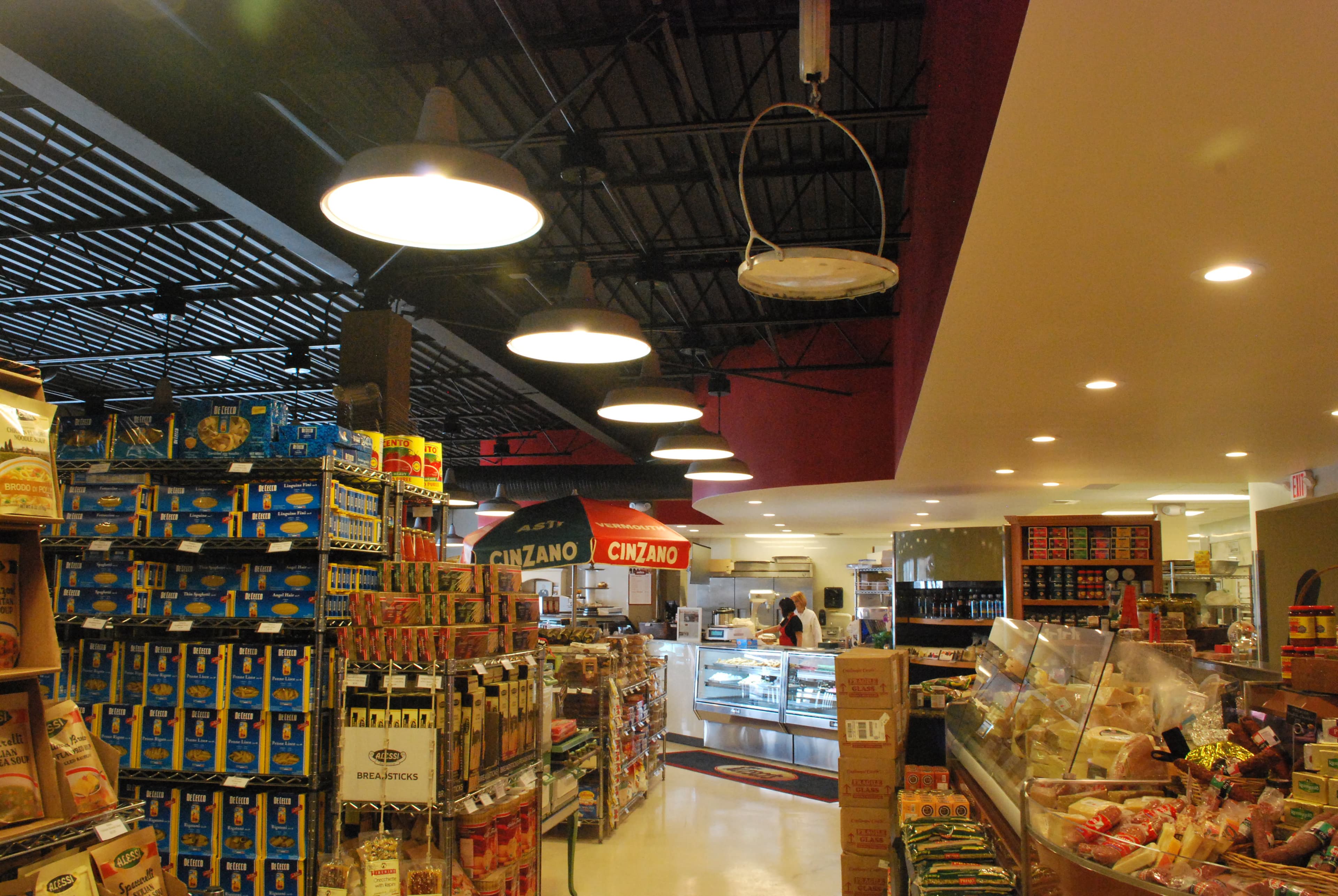
The county recognizes the importance of well-lit parking areas for public safety. The code explicitly states that "any parking area which is intended to be used during nondaylight hours shall be properly illuminated to avoid accidents."
Light Direction
While ensuring adequate illumination, the code also protects neighboring properties: "Any lights used to illuminate a parking lot shall be so arranged as to reflect the light away from the adjoining property." This balanced approach prioritizes both safety and consideration for neighbors.
Special Contexts
Airport Approach Areas
Properties within airport approach zones have additional restrictions. The code notes that "lighting of residential and commercial development shall be restricted within airport approach areas as required by the State Department of Transportation, Division of Aeronautics and Public Transportation, and Federal Aviation Administration."
Mobile Home Parks
For mobile home communities, the code requires that "interior drives and walkways designed for the use of the mobile home park residents shall be adequately lighted during hours of darkness." This ensures resident safety while maintaining community standards.
Hillside Development
The county's mountainous terrain necessitates special consideration for hillside construction. The code requires that "the visibility of hillside development shall be lessened by limited glazing and exterior lighting, and by use of materials and colors compatible with the natural surrounding setting." This helps preserve the natural beauty of Shoshone County's landscape.
Signage Illumination
Safety Considerations
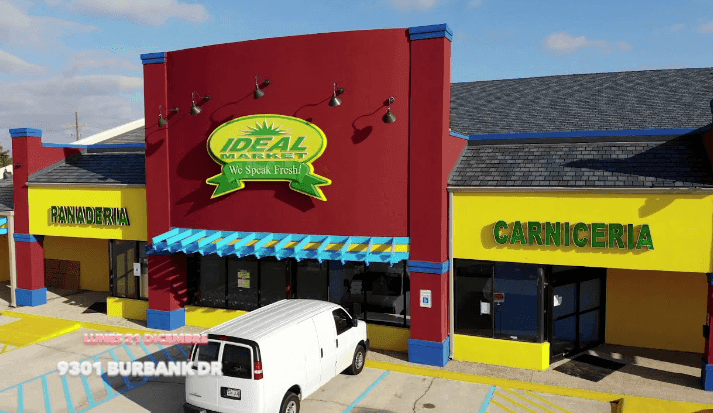
The code is particularly concerned with the impact of illuminated signs on public safety: "In no event shall an illuminated sign or lighting device be placed or directed to permit the beams and illumination therefrom to be directed or beamed upon a public thoroughfare, highway, sidewalk, or constitute a traffic hazard or nuisance."
Electrical Compliance
All illuminated signs must meet electrical safety standards: "All wiring, fittings, and materials used in the construction, connection and operation of electrically illuminated signs shall be in accordance with the provisions of the local electric code in effect, if any."
What Property Owners Should Know
The MOD Lighting Reference Document
Several sections of the county code reference the "Shoshone County MOD lighting reference document attached as Exhibit 2." This document appears to contain additional lighting specifications and requirements that property owners should consult for comprehensive compliance information.
Application Process
Property owners planning new lighting installations or modifications should consult with county officials early in the planning process. The extracts suggest that lighting may be subject to approval by "the administrator, commission or board" in certain circumstances.
Balancing Needs with Regulations
The lighting regulations in Shoshone County reflect a thoughtful balance between modern lighting needs and the preservation of the area's unique character. Property owners should approach lighting design with this balance in mind.
.jpg&w=3840&q=75)
Charlotte, North Carolina
Supporting Shoshone County's Lighting Vision
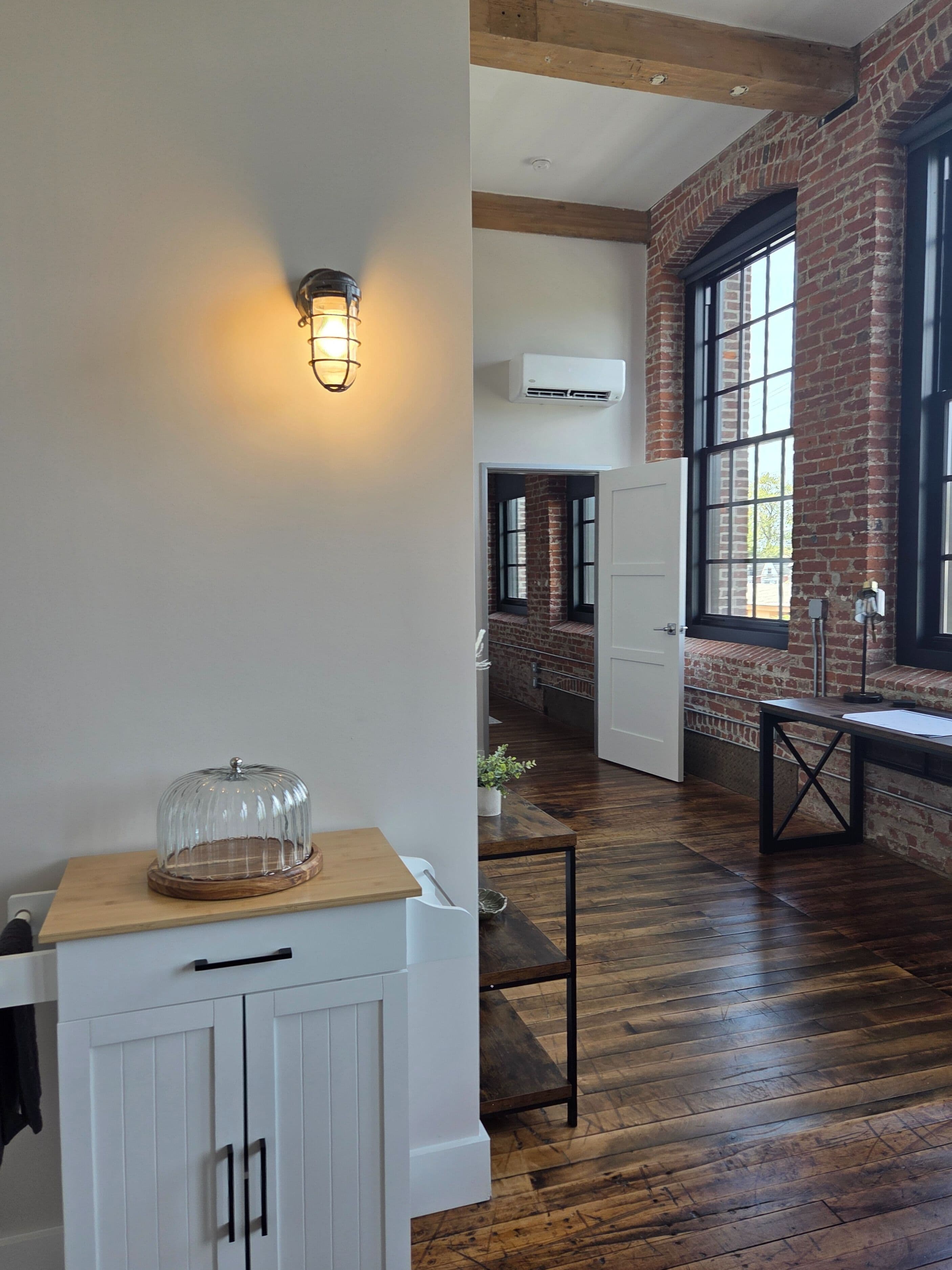
Bock Lighting understands the unique character of communities like Shoshone County with rich historical heritage. We appreciate the delicate balance between preserving a community's distinctive character while providing modern, functional lighting solutions.
With our experience working in communities that value their historical identity, we recognize the importance of lighting that complements rather than detracts from architectural and natural features. Our commitment to understanding local regulations and community values allows us to serve as a helpful resource for property owners navigating lighting requirements.
We share Shoshone County's commitment to responsible lighting practices that minimize light pollution and preserve the character of both natural landscapes and historical districts. Our focus on educational resources and community partnership reflects our belief that good lighting enhances community character rather than diminishing it.
Conclusion
Shoshone County's lighting regulations reflect its commitment to preserving its unique historical character while meeting modern lighting needs. From protecting residential areas from light intrusion to establishing standards for commercial and industrial lighting, these guidelines help maintain the Silver Valley's distinctive charm.
Property owners should familiarize themselves with these requirements early in any development or renovation process, paying particular attention to context-specific rules for hillsides, airport areas, and other special zones.
By following these lighting standards, residents and businesses alike contribute to Shoshone County's vision of honoring its rich mining heritage while creating safe, functional, and aesthetically pleasing spaces for current and future generations.