Lighting Requirements in Fremont, Ohio
Lighting Regulations in Fremont, Ohio: Preserving Historical Character While Ensuring Safety and Functionality
Introduction
Nestled along the Sandusky River in Northwest Ohio, Fremont boasts a rich heritage dating back to its days as a Wyandot village and French trading post in the 1750s. Originally known as Lower Sandusky until its 1849 renaming to honor explorer John C. Frémont, this historic city values both its architectural heritage and modern functionality.
Home to Spiegel Grove and the Rutherford B. Hayes Presidential Center (the nation's first presidential library), Fremont has long balanced historical preservation with contemporary needs. This commitment to historical integrity while addressing modern safety and functionality concerns is reflected in the city's approach to exterior lighting regulations.
Quick Reference Guide: Key Lighting Requirements
- Historic Districts: Certificate of Appropriateness required for changes to light fixtures
- Light Trespass: Limited to 1 foot-candle at property lines, measured 6 feet above ground
- Electronic Message Centers:
- Must change no more than once every 5 seconds
- Maximum brightness increase of 0.3 foot-candles (3.23 lumens per square meter) above ambient levels
- Must include automatic dimming technology
- Canopy Lighting: Must use recessed fixtures that don't extend below the canopy surface
- Construction Areas: Warning lights required at night for excavations or construction sites
- Swimming Pools: Lighting must be designed to confine beams to the property

Historic District Lighting Regulations
Certificate of Appropriateness Requirements
Within all areas of a historic district or landmark site in Fremont, property owners must obtain a Certificate of Appropriateness before making changes to light fixtures. This requirement demonstrates the city's commitment to preserving its historical character.
The Certificate is required for any "conspicuous change in the exterior appearance of any historic building or any part of or appurtenance to such a building including walls, fences, light fixtures, steps, paving, and signs by additions, reconstruction, alteration, or maintenance involving exterior color change."
Historical Context and Compliance
When considering lighting changes in Fremont's historic areas, property owners should be mindful of maintaining consistency with the architectural period and style of the building. This helps preserve the authentic historical atmosphere that makes Fremont unique.
General Exterior Lighting Standards
Glare Reduction Requirements
Fremont's code includes specific provisions to reduce light pollution and nuisance:
- All on-site lighting must be shielded and arranged to reduce glare
- Lighting must reflect light away from adjacent properties, public roads, and highways
- No outdoor lighting may cause glare or impair the vision of drivers or pedestrians
Light Trespass Limitations
The code establishes clear measurements for acceptable light levels:
- Light originating on a site shall not trespass beyond the site to exceed one (1) foot-candle of light six (6) feet above the ground when adjacent to a residential district
- Light levels are measured in foot-candles with a direct reading, portable light meter
- Measurements are taken at the property line along a horizontal plane at a height of five (5) feet above ground
Canopy Structure Requirements
For businesses with canopy structures (such as service stations or drive-through facilities):
- Must have recessed ceiling fixtures
- Fixtures must not extend below the surface of the canopy
- This requirement prevents direct glare while still providing adequate illumination


Electronic Message Centers and Signs
Location and Size Limitations
Electronic message centers in Fremont are subject to specific regulations:
- Allowed in R-0, B-1, B-2, I-1, and I-2 Districts as freestanding signs in monument style construction
- Up to twenty-four (24) square feet of a permitted monument sign may be a changeable copy/electronic message center
- No electronic message center shall be permitted within 100 feet of and facing the front lot line of a residentially zoned lot
Technical Display Requirements
The technical specifications for electronic signs are clearly defined:
- Electronic messages must be static and can only change once every five (5) seconds
- Must have an automatic dimming photocell to adjust brightness based on ambient light
- Brightness level shall not increase by more than 0.3 foot candles (or 3.23 lumens per square meter or lux) over ambient levels
- Measurement procedures follow the International Sign Association's "Recommended Night-time Brightness Levels for On-premise Electronic Message Centers"
- Must include a default mechanism that causes the sign to revert immediately to a black screen if malfunction occurs
Application Requirements
Property owners installing electronic message centers must:
- Include a signed letter with their zoning certificate application
- Certify compliance with the prescribed brightness limitations
- Submit appropriate documentation for approval
Special Use Lighting Requirements
Swimming Pool Lighting
Fremont's code specifically addresses swimming pool illumination:
- All lights used for pool illumination or surrounding areas must be designed, located, and installed to confine direct beams to the property
- Pool lighting must not constitute a nuisance or undue annoyance to occupants of abutting property
Construction and Excavation Sites
Safety lighting is required for construction areas:
- Excavations, wells, cesspools, or structures under construction must be protected by suitable barricades and warning devices or lights at night
- These safety measures are required to prevent dangerous conditions
- It is prohibited to destroy, remove, damage, or extinguish any barricade or warning light placed for public protection
Street Light Visibility
The city requires maintaining visibility of street lights:
- Property owners must remove obstructions (trees, shrubs, or other plants) that block the view of street lights
- Branches obstructing light from street lights shall be pruned to minimize interference
- If owners fail to comply, the Safety Service Director can have the trimming done at the owner's expense
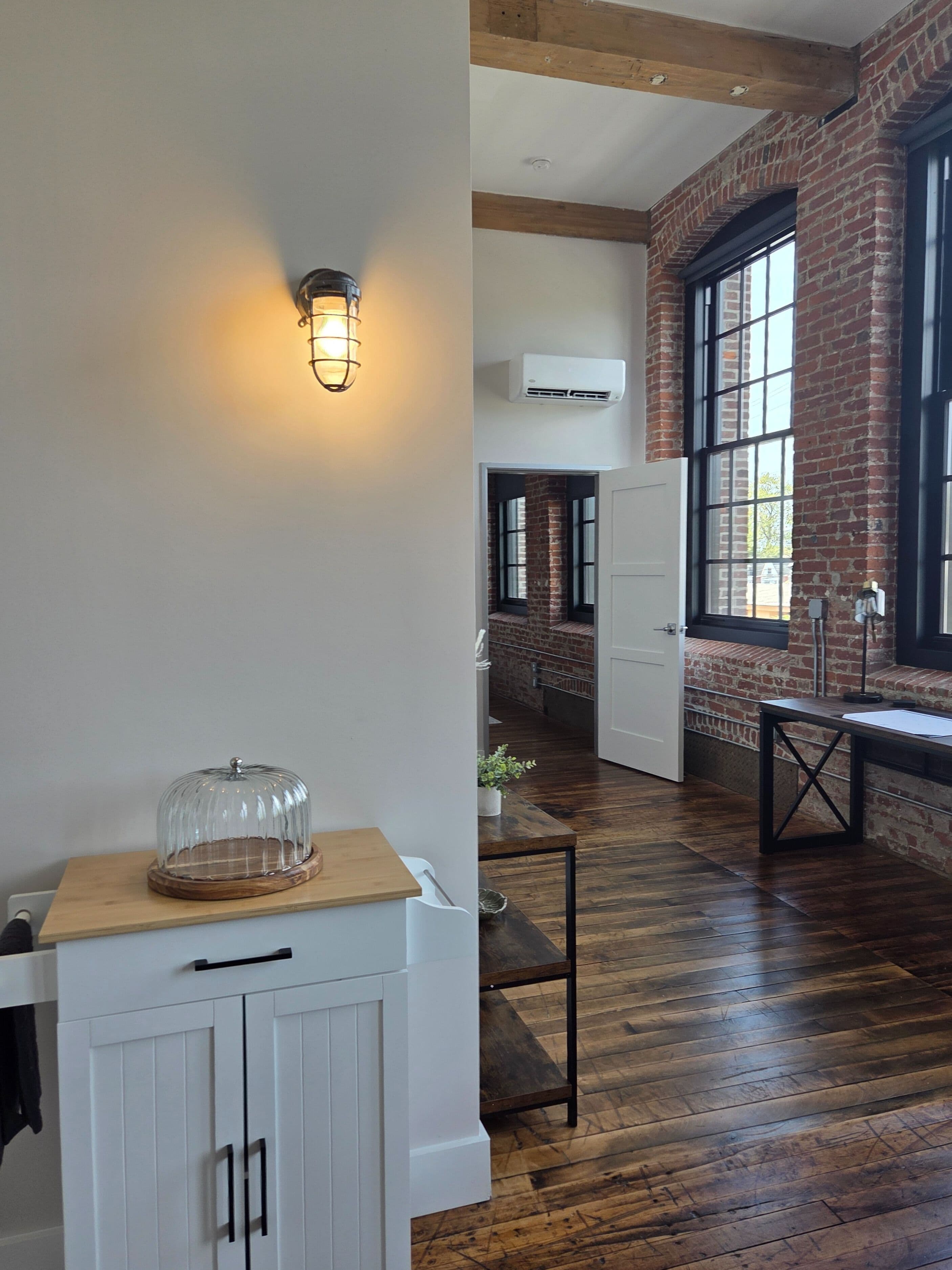
Lighting Plan Requirements
Site Plan Documentation
For projects requiring site plan approval, applicants must submit:
- The location, height, and style of all exterior lighting (including fixture details)
- A photometric study when multi-family or non-residential uses are proposed adjacent to residential districts
- Documentation demonstrating compliance with all lighting requirements
Vacant Building Requirements
For vacant commercial or industrial buildings:
- The Vacant Building Plan must include a lighting plan for the exterior of the building
- Must address illumination of walkways, parking areas, and areas vulnerable to vandalism
- Must include a regular maintenance plan for all exterior lighting fixtures
Supporting Fremont's Lighting Vision
Bock Lighting, a Northeast Ohio manufacturer with roots dating back to 1918, shares Fremont's commitment to preserving historical character while embracing functional lighting solutions. With deep understanding of the region's architectural styles and lighting needs, Bock appreciates the balance Fremont strikes between historical preservation, safety requirements, and modern functionality.
Our experience with projects that respect community character and local regulations makes us a valuable resource for Fremont property owners navigating lighting compliance. As a local presence, we understand the unique challenges of maintaining historical integrity while meeting contemporary lighting standards.
Bock's commitment to sustainable and responsible lighting practices aligns with Fremont's vision for thoughtful development that honors its rich historical legacy. We focus on providing educational resources about lighting regulations to support community understanding and compliance.
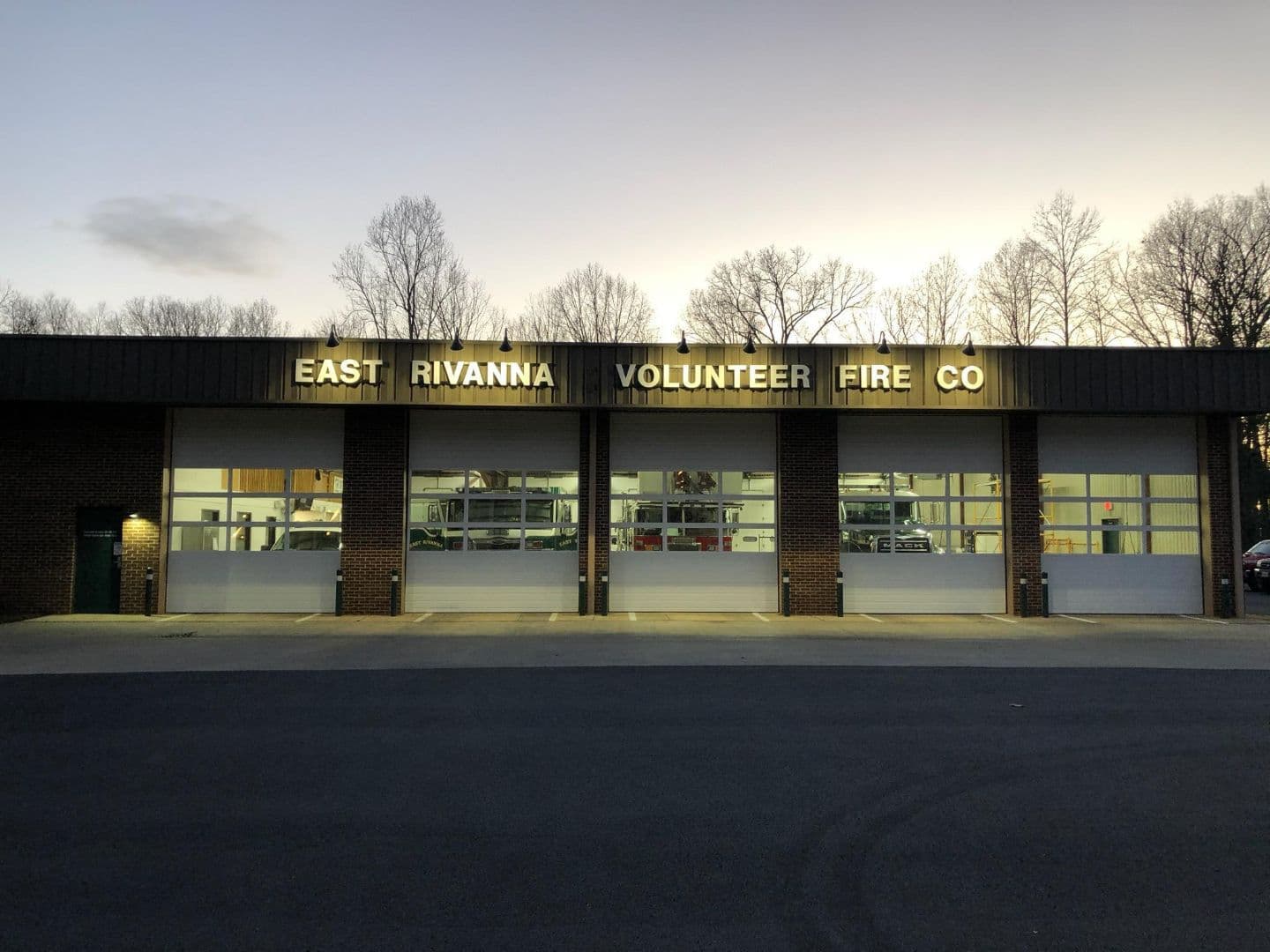
East Rivanna Volunteer Fire Co.
Keswick, Virginia
.jpg&w=3840&q=75)
What Property Owners Should Know
Planning Ahead
When considering lighting changes or installations in Fremont:
- Historic properties require special attention and advanced approvals
- Consult early with the Planning Department about requirements
- Documentation including photometric studies may be required
- Technical specifications are precisely defined and must be followed
Common Compliance Challenges
Property owners should be particularly mindful of:
- Light trespass onto neighboring properties
- Glare affecting pedestrians or drivers
- Historical compatibility in designated districts
- Technical specifications for electronic signs
Conclusion
Fremont's lighting regulations reflect the city's dedication to preserving its rich historical character while ensuring safety and functionality for residents and visitors. From the historic Rutherford B. Hayes Presidential Center to modern business districts, thoughtful lighting helps maintain Fremont's unique sense of place.
By understanding these regulations and planning accordingly, property owners can contribute to Fremont's aesthetic goals while meeting their practical lighting needs. The balance of historical preservation with contemporary standards ensures that Fremont will continue to shine bright while honoring its distinctive heritage.