Lighting Requirements in Inver Grove Heights, Minnesota
Lighting Regulations in Inver Grove Heights, Minnesota: Balancing Heritage, Safety, and Aesthetics
Introduction: Illuminating Inver Grove Heights' History and Vision
Established in the mid-19th century by Irish, French, and German settlers, Inver Grove Heights has grown into a vibrant Minnesota community that values its rich historical character. As the city has developed, it has implemented lighting regulations that reflect its commitment to balancing modern needs with heritage preservation.
The city's positioning along the Mississippi River and its blend of open spaces and hilly terrain have shaped not just its settlement patterns but also its approach to urban planning, including how exterior lighting is regulated. These regulations aim to enhance safety and visibility while respecting both the historical character and natural environment that make Inver Grove Heights unique.
Quick Reference Guide to Lighting Regulations
Before diving into specific requirements, here's a quick overview of the key lighting regulations in Inver Grove Heights:
• Light Trespass Limits:
- Maximum 1 foot-candle measurement for street illumination (measured from centerline)
- Maximum 0.4 foot-candle at residential property lines
• Billboard Illumination:
- Dynamic displays limited to 7,500 nits during daylight
- Maximum 500 nits between sunset and sunrise
- Minimum 8-second display duration for dynamic content
• Direction Requirements:
- All lighting must be directed away from residential zones and public streets
- Light sources must be hooded, recessed or controlled to prevent visibility from adjacent properties
• Special Area Requirements:
- Waterfront lighting must be fully shielded and follow Dark Sky compliant standards
- Airport vicinity lighting must not interfere with pilot visibility or airport operations

General Lighting Requirements
Light Trespass Prevention
Inver Grove Heights' primary lighting regulations focus on preventing unwanted light from spilling onto neighboring properties or creating hazards. Section 10-15-5 establishes that:
• Any lighting used for parking areas, signs, or structures must be arranged to deflect light away from adjoining residential zones and public streets
• Direct or sky-reflected glare from floodlights or other sources shall not be directed onto adjoining property
• Light sources must be hooded, recessed, or controlled to prevent visibility from adjacent properties
Measurement Standards
The city has established specific measurable standards to enforce light trespass regulations:
• Any light or combination of lights illuminating a public street cannot exceed 1 foot-candle when measured from the street centerline
• Lighting affecting residential properties must not exceed 0.4 foot-candle when measured at the property line
Heat and Intense Light Transmission
Operations that produce intense heat or light must incorporate necessary shielding to prevent such emissions from becoming offensive at property lines. This regulation applies to all districts and is particularly important in mixed-use areas where commercial and residential properties are in close proximity.
Street Lighting Requirements
New Developments (After June 1, 1995)
The city requires street lighting in all new residential and non-residential developments, with specific provisions for:
• Developer Responsibility: Developers must pay installation costs for both safety/thoroughfare lights and area benefit lights
• City Responsibility: After installation, the city assumes operating expenses for safety and thoroughfare lights
• Lighting Plan Requirement: If a developer's waiver request is denied, they must submit a comprehensive lighting plan for council approval
Existing Developments (Before June 1, 1995)
For neighborhoods developed before June 1, 1995, the city has established different procedures:
• City-Initiated Installation: The city may install streetlights after performing a feasibility study
• Petition Process: Property owners can petition for streetlight installation
• Cost Allocation: Safety and thoroughfare light expenses are covered by the city, while area benefit light costs may be assessed to benefited property owners

Special Use Lighting Requirements
Sign Illumination
The city regulates sign lighting to prevent distraction and light pollution:
• Signs may be illuminated but lighting must be diffused or indirect
• Illumination must not extend beyond property lines
• Flashing signs (where light is not maintained at constant intensity and color) are subject to additional restrictions
Dynamic Display Billboards
Electronic billboards with changing content face the strictest lighting regulations:
• Brightness limitations:
- Maximum 7,500 nits between sunrise and sunset
- Maximum 500 nits between sunset and sunrise
• Technical requirements:
- Must include ambient light monitors for automatic brightness adjustment
- Must have automatic shut-off system when display deteriorates
- Minimum display duration of 8 seconds with instantaneous transitions
• Location restrictions:
- Limited to designated billboard overlay districts
- Must not interfere with traffic signals or create hazards
Tower & Utility Building Lighting
• Towers shall not be illuminated artificially unless required by federal or state regulations
• Accessory utility buildings can only use lighting necessary for security purposes, with all exterior lighting diffused or directed away from property lines and public rights-of-way
Waterfront and Shoreline Lighting
Properties along waterways in Inver Grove Heights must adhere to special lighting requirements that protect the natural environment and prevent light pollution:
Ordinary High Water Line (OHWL) Setback Requirements
• Lighting must be fully shielded and directed away from the river
• Uplighting is prohibited in these sensitive areas
• All lighting must follow Dark Sky compliant standards
Directional Signs Near Waterways
Signs for watercraft users face additional restrictions:
• If illuminated, lighting must be fully shielded and directed downward
• Light must not spread across the river or upward to the sky
Safety Considerations
Outside lighting near or over public waters is permitted only when:
• It primarily illuminates potential safety hazards
• It is shielded to prevent direct illumination across public waters
• It doesn't interfere with navigational lights
Airport Area Lighting
Given the proximity of the South St. Paul Airport, specific lighting regulations apply in the Airport Overlay District:
Hazard Prevention
• Lighting must not make it difficult for pilots to distinguish between airport lights and other lights
• Installations must not result in glare affecting pilots or impair visibility in the vicinity of the airport
Marking and Maintenance
• Owners of nonconforming structures may be required to permit installation of special markers and lights to indicate airport hazards
• The city of South St. Paul typically covers the expense of these safety-related installations
• Any permit or variance may require owners to maintain markers and lights at their own expense
What Property Owners Should Know
Planning for New Construction or Renovations
When preparing for construction projects in Inver Grove Heights, property owners should:
• Include lighting specifications in permit applications
• Consider light trespass limits when selecting and positioning exterior fixtures
• Be aware of additional requirements in special zones (waterfront, airport vicinity)
Common Compliance Issues
The most frequent lighting compliance challenges involve:
• Light trespass onto neighboring properties (especially residential areas)
• Unshielded fixtures that cause glare or sky glow
• Excessive brightness from commercial properties and signage
• Improper direction of security lighting
Maintenance Requirements
City code requires that all "exterior light fixtures shall be kept in sound condition, good repair, weather tight, and shall be maintained free from cracks and holes." This ongoing maintenance obligation helps ensure both safety and aesthetic standards are maintained.
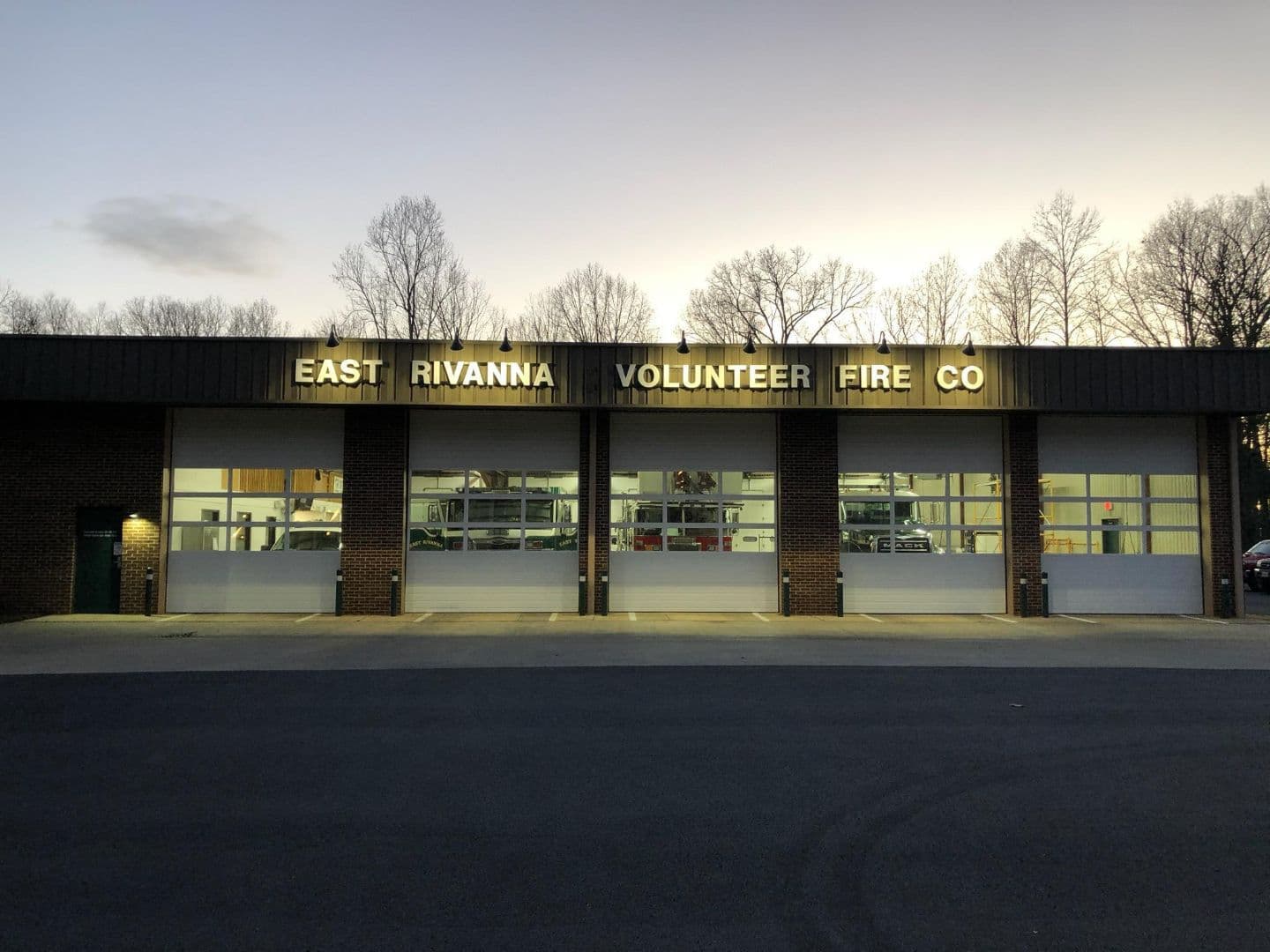
East Rivanna Volunteer Fire Co.
Keswick, Virginia
.jpg&w=3840&q=75)
Supporting Inver Grove Heights' Lighting Vision
Bock Lighting understands the unique balance that communities like Inver Grove Heights strive to achieve between historical preservation, safety, and modern functionality. Since 1918, we've worked with communities across the Midwest to enhance public spaces while respecting their distinctive character.
As a resource for Inver Grove Heights property owners, we recognize how the city's diverse settlement patterns - from the open spaces first chosen by Irish and French settlers to the hills and ravines preferred by German immigrants - have created neighborhoods with unique lighting needs and historical contexts.
Our experience with Dark Sky compliant fixtures and heritage-appropriate designs aligns with Inver Grove Heights' commitment to preserving its character while enhancing safety through appropriate illumination. We particularly appreciate the city's thoughtful approach to waterfront lighting that protects the Mississippi River viewshed.
We're proud to serve as an educational resource for communities like Inver Grove Heights, helping property owners navigate lighting regulations while enhancing the distinctive character that makes each Minnesota community special.
Conclusion
Inver Grove Heights' lighting regulations reflect the city's commitment to balancing modern development needs with respect for its historical character and natural environment. By establishing clear standards for light levels, direction, and special applications, the city helps ensure that illumination enhances safety and accessibility without compromising community aesthetics or resident quality of life.
Property owners planning lighting installations should pay particular attention to light trespass limits, shielding requirements, and special zone restrictions, especially near waterways or the airport vicinity. When in doubt, consulting with city planning officials early in the project development process can help prevent costly compliance issues.
Through thoughtful lighting practices, Inver Grove Heights continues to honor its diverse cultural heritage while illuminating a path toward sustainable community development.